
In the complex theater of Middle Eastern geopolitics, the Houthis, a formidable force in Yemen, have strategically turned their focus to the Red Sea, launching a series of ship attacks. This article aims to unravel the motives behind these assaults, exploring the intricate web of Yemen’s internal conflicts, deciphering global repercussions, and understanding the role of key players. As stormy seas symbolize broader turbulence in the Middle East, the Houthis’ maritime offensive emerges as a critical piece in an intricate puzzle, demanding thorough examination and analysis.
Despite claims of solidarity with Palestine by Houthi spokesman Yahya Sarea, a closer examination reveals a more calculated motive. Beyond symbolic activism, the attacks strategically aim at gaining control over the Red Sea and the Bab al-Mandab Strait. This move goes beyond mere support for Palestine, indicating a deliberate effort to reshape power dynamics in the region.
Amidst Yemen’s persistent internal strife, the Houthis have capitalized on power struggles, asserting control over significant territories. This not only fuels the ongoing conflict but also triggers international peace initiatives. Ongoing talks between Saudi Arabia and the Houthi forces add complexity, intertwining with broader geopolitical complexities in the Middle East.
Accusations of Iranian support escalate as intelligence, technology, and weapons reportedly fuel Houthi attacks in the Red Sea. This alleged backing not only challenges regional stability but also casts shadows on global trade routes, raising concerns about the broader implications of Iran’s involvement in the conflict.
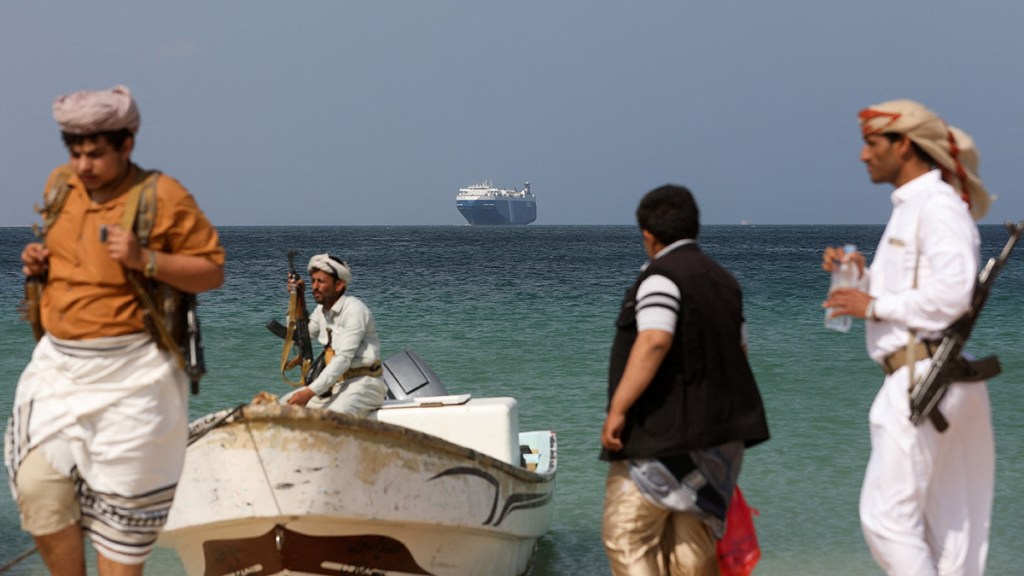
Beyond expressing solidarity with Palestinians, the Houthis aim to expand their influence in Yemen and the Arab world. Simultaneously, a strategic move seeks to disrupt Saudi Arabia’s normalization with Israel, creating a complex web of geopolitical challenges with far-reaching global consequences.
The attacks heighten tensions, drawing in international players like the United States. U.S. strikes, justified as safeguards for maritime navigation, add complexity to the multifaceted conflict. The involvement of allies such as the UK, Canada, and the Netherlands further raises the stakes.
In a targeted military campaign, over 16 sites in Yemen were struck to degrade Houthi capabilities without causing further regional destabilization. The challenge now lies in assessing the actual damage and anticipating the group’s adaptive strategies, as the conflict continues to escalate.
Iran’s strategic backing of the Houthis aligns with a larger plan to exert pressure on Israel and the U.S., using the maritime offensive as a means to uphold regional influence and contest Western dominance. The situation amplifies concerns about the broader geopolitical balance in the Middle East.
The looming dilemma for President Joe Biden and allies unfolds as further measures are considered. The question arises: to expand the response’s scope, potentially destabilizing Yemen, or uphold a targeted approach concentrating on degrading specific military capabilities. The decision carries significant implications for the evolving conflict.

Navigating the stormy waters of the Red Sea unveils a precarious Middle Eastern geopolitical landscape. Understanding the motives behind the Houthis’ maritime offensive is pivotal for anticipating the region’s future. Balancing regional conflicts, global trade, and ideological perspectives creates a multifaceted challenge that demands careful navigation. The delicate equilibrium hangs in the balance, shaping the broader turbulence in the Middle East. As the Houthis strategically target ships, decoding their motivations becomes integral to foreseeing the trajectory of international relations in this complex and evolving scenario.
visit arjasrikanth.in for more insights
 SOCIAL PERSPECTIVES