“Navigating the Promise and Peril: A Comprehensive Exploration of Direct Benefit Transfers and their Role in Shaping Societal and Economic
Landscapes”

Embark on an insightful journey into the economic intricacies and societal transformations spurred by direct benefit transfers (DBT), as political promises usher in a new era of financial support. In the ever-evolving landscape of political discourse, DBT has emerged as a pivotal tool, with promises and challenges shaping its trajectory. This article delves into the multifaceted realm of DBT, exploring its historical roots, economic implications, and the enduring debate surrounding its effectiveness.
Direct Benefit Transfer (DBT) has risen to prominence as a contemporary approach to providing direct cash, gaining momentum in recent decades. With a dual focus on immediate relief and the integration of recipients into the broader economic system, DBT signifies a dynamic shift in social and economic policies. Its objective is to empower individuals who may have limited means or incentives for full participation in the economy.

While DBT and Universal Basic Income (UBI) share certain parallels, their distinctions are pivotal. DBT operates through targeted schemes, addressing specific population segments, unlike UBI, which advocates for a basic income for all citizens. The ongoing discourse scrutinizes the choice between targeted and universal approaches to financial assistance, considering inclusivity, economic efficiency, and broader societal impact.
DBT schemes face scrutiny, with sceptics questioning the financial viability of governments, particularly in developing economies. Concerns include the strain on government budgets, potential deficits, and the perception of DBT as a populist measure that might discourage economic productivity. Navigating these criticisms requires nuanced policy considerations to optimize the societal impact of direct benefit transfers within the broader economic landscape.
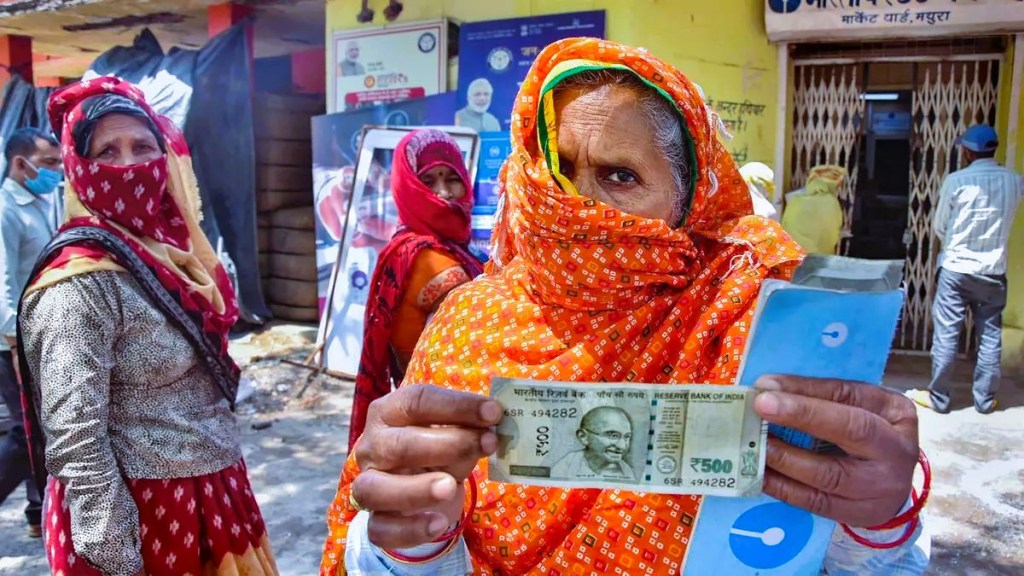
In recent decades, economic arguments supporting DBT have gained substantial traction. Advocates assert that providing critical amounts of cash to impoverished segments can stimulate economic growth. DBT, by energizing local economies through increased spending, becomes a catalyst for development. This aligns with the idea that empowering individuals at the grassroots level is essential for comprehensive economic progress.
The core premise supporting DBT is rooted in the idea that unless people’s basic needs are satisfied, achieving their active and productive participation in the economy remains elusive. By alleviating immediate financial concerns, DBT aims to enable individuals to break free from the cycle of poverty, fostering conditions conducive to economic productivity.

The intersection of DBT with political agendas introduces a nuanced and intricate dynamic. Politicians leverage these schemes for electoral support, raising questions about the genuine intent behind such initiatives. The challenge lies in finding a delicate balance between short-term political gains and the enduring impact on crucial aspects like education, poverty alleviation, and overall societal development. As political narratives intertwine with the implementation of DBT, the imperative becomes not only to address immediate electoral objectives but also to ensure a sustained and positive transformation in the lives of the populace. Striking this balance requires a thoughtful and strategic approach, acknowledging the dual role that DBT plays in the political landscape – as a tool for immediate electoral appeal and as a catalyst for long-term social and economic progress.
Delving into India’s Direct Benefit Transfer program, introduced in 2011, we explore its evolution, challenges, and far-reaching impact on poverty alleviation and rural development. From its initiation under the National Rural Employment Guarantee Scheme to becoming a Guinness World Record holder for the largest cash transfer program, India’s DBT offers valuable insights into the global landscape of direct cash transfers.
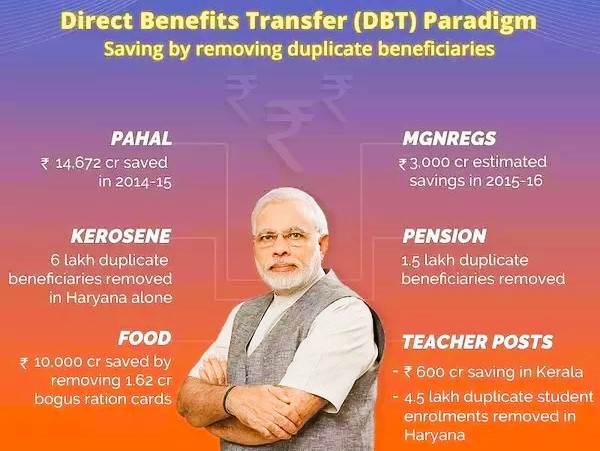
In the intricate dance between promises and challenges inherent in direct benefit transfers, the nation stands at a pivotal crossroads. Beyond immediate political gains, the ongoing debate probes the nuanced relationship between financial assistance, individual empowerment, and the quest for sustainable economic development. DBT transcends its status as a mere political instrument; it emerges as a transformative force, illuminating a path towards a future where financial empowerment becomes the keystone for holistic societal development. The efficacy of DBT demands more than conceptual brilliance; it requires meticulous implementation, responsiveness to criticisms, and synchronization with broader strategies for fostering inclusive growth. As the nation grapples with promises and pitfalls, the journey towards transformative societal development necessitates a harmonious blend of policy acumen, public engagement, and an unwavering commitment to addressing the multifaceted needs of the populace.
visit arjasrikanth.in for more insights
 SOCIAL PERSPECTIVES