Celebrating Prosperity, Unity, and Renewal – The Essence of Sankranti

Sankranti, synonymous with Pongal in certain regions, unfolds as an animated four-day harvest festival, annually celebrated in India and parts of Nepal every January. Beyond its agricultural roots, this festival serves as a vibrant tapestry interwoven with tradition, spirituality, and communal renewal. The article embarks on a profound exploration, navigating through the spiritual, agricultural, and mythological dimensions of Sankranti, unravelling its timeless significance in contemporary times.
Sankranti stands as a unique celebration of cultural heritage, acting as a conduit for family unity. Families come together, engaging in traditions, savouring culinary delights, exchanging heartfelt gifts, and participating in communal rituals. This festive unity becomes a temporal bridge, prompting individuals to reflect on past aspirations and formulate resolutions for the future.

At the pinnacle of Sankranti, Makar Sankranti marks the sun’s transition into Capricorn, bidding farewell to winter and ushering in longer days. Paying homage to Lord Sun, this auspicious occasion symbolizes the profound shift from darkness to light, embodying nature’s cyclical rejuvenation. As the sun gracefully enters Capricorn, Earth undergoes a transformative shift, directing increased sunlight to the Northern Hemisphere. This celestial event, akin to a herald of spring, serves as a poignant reminder of nature’s perpetual renewal.
Makar Sankranti transcends seasonal transitions; it signifies a spiritual metamorphosis. During this auspicious time, the belief permeates that attaining moksha, liberation from the mortal realm, becomes feasible. The festival becomes a vessel for profound spiritual meanings, transcending its agricultural origins. Farmers express gratitude for a bountiful yield and seek blessings for future prosperity. Beyond individual expressions, the festival transforms into a communal celebration, accentuating the importance of gratitude and collective well-being.
The mythological narrative of Sankranti involves the worship of Sun God, Lord Vishnu, and Goddess Lakshmi. Devotees pay homage to the constellations, symbolizing the triumph of good over evil, creating a captivating cultural mosaic embedded in tradition. Sesame seeds, significant during Sankranti, transcend culinary tradition. Linked to the Sun god, Surya Dev, these tiny seeds are believed to encapsulate solar energy in Hindu mythology.
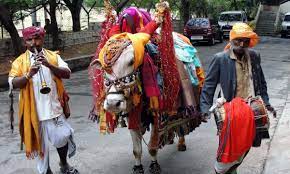
In conclusion, Sankranti emerges as a vibrant kaleidoscope of tradition, spirituality, and agricultural celebration, intertwining mythology with contemporary significance. Beyond its roots in ancient tales, the festival serves as a temporal bridge, connecting the past and present, providing a timeless link to cultural heritage. As families and communities come together to celebrate Sankranti, they engage in a collective renewal, symbolizing the eternal dance of life, light, and prosperity. The festival’s multifaceted nature encompasses spiritual transitions, agricultural gratitude, and cultural resonance. In essence, Sankranti becomes a harmonious blend of ancient wisdom and contemporary celebration, offering individuals a profound connection to their cultural roots and an enduring celebration of life’s cyclical renewal.
visit arjasrikanth.in for more insights
 SOCIAL PERSPECTIVES