“Pioneering AI at Tata Memorial Hospital – A Beacon of Hope in the Fight Against Cancer”
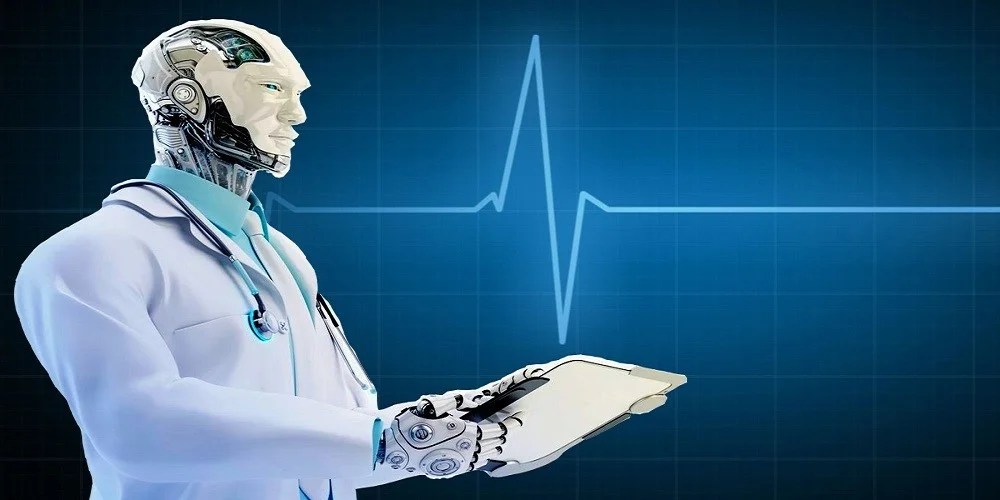
In the dynamic realm of healthcare, artificial intelligence (AI) emerges as a transformative force, particularly in the early detection of cancer. Tata Memorial Hospital in Mumbai takes centre stage in this ground breaking narrative, harnessing the potential of AI to revolutionize cancer diagnosis and treatment. This article navigates through the genesis of AI in cancer detection, its role in addressing the rising cancer incidents in India, and the technological marvel of the AI bio imaging bank.
In 2023, Tata Memorial Hospital initiated a visionary project to develop an AI algorithm for early-stage cancer detection. Anchored in deep learning, this algorithm taps into a bio imaging bank, utilizing data from over 60,000 patients. It deciphers complex patterns within CT or MRI scans, offering insights into tumour aggressiveness and predicting survival probabilities.

Dr. Sudeep Gupta, Director of Tata Memorial Centre, highlights the alarming surge in cancer cases across India, projecting an increase from 1.3 million to 2.6 million in the next decade. Lifestyle factors contribute to this rise, necessitating innovative solutions for early detection. The article emphasizes the role of AI as a diagnostic ally, especially in rural areas where specialized oncologists are scarce.
The AI algorithm becomes a beacon of hope for rural India, where early detection significantly improves chances of recovery. The impracticality of deploying specialized oncologists in every corner of the vast country makes AI a virtual specialist. Even non-specialized doctors benefit from AI’s recommendations, spanning treatment protocols, nutritional guidance, and early detection strategies.
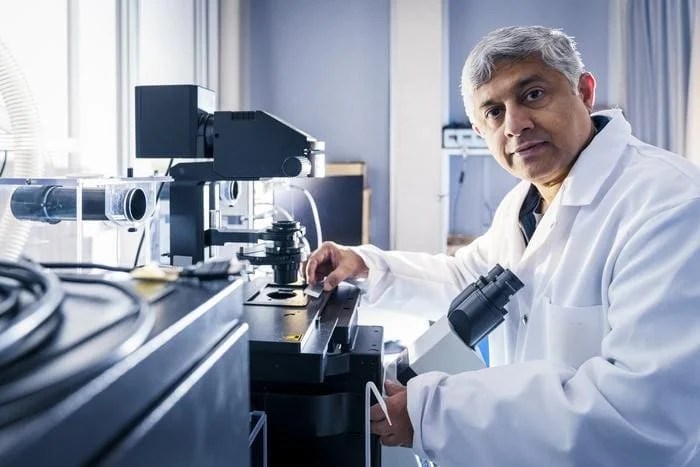
At the core of this transformative initiative lies the AI bio imaging bank, a repository of radiological data that fuels the algorithm’s analytical capabilities. Tailored algorithms for specific cancers, coupled with an understanding of tumour characteristics, contribute to the precision of early-stage cancer detection. The article delves into the technological intricacies of the bio imaging bank.
Beyond early detection, AI contributes to patient safety by reducing radiation exposure during routine scans. Tata Memorial Hospital successfully implements AI algorithms to decrease radiation exposure by 40%, benefiting cancer patients undergoing frequent CT scans. Additionally, AI plays a pivotal role in ICU settings, guiding doctors in treatment protocols and minimizing blind adherence to suggested methodologies.
The article explores the profound impact of AI on reducing cancer fatalities. With 80 to 90% survival rates for patients detected in early stages, AI becomes a beacon of hope, especially in rural areas with limited healthcare accessibility. The potential of AI to facilitate prompt treatment through early diagnoses marks a paradigm shift in cancer care.

In conclusion, the integration of AI into cancer care at Tata Memorial Hospital signifies a transformative journey. The AI algorithm’s prowess in early detection offers tangible results in the quest for cancer survival. This technological advancement becomes a testament to the collaborative efforts of AI and medical professionals, providing accessible, timely, and accurate cancer diagnoses. The article concludes by highlighting the promising future where early-stage cancer detection becomes a cornerstone of comprehensive healthcare, showcasing the resilient spirit of innovation in the face of formidable health challenges.
visit arjasrikanth.in for more insights
 SOCIAL PERSPECTIVES