“Andhra Pradesh: Navigating the Turbulent Tides of Economic Transition”
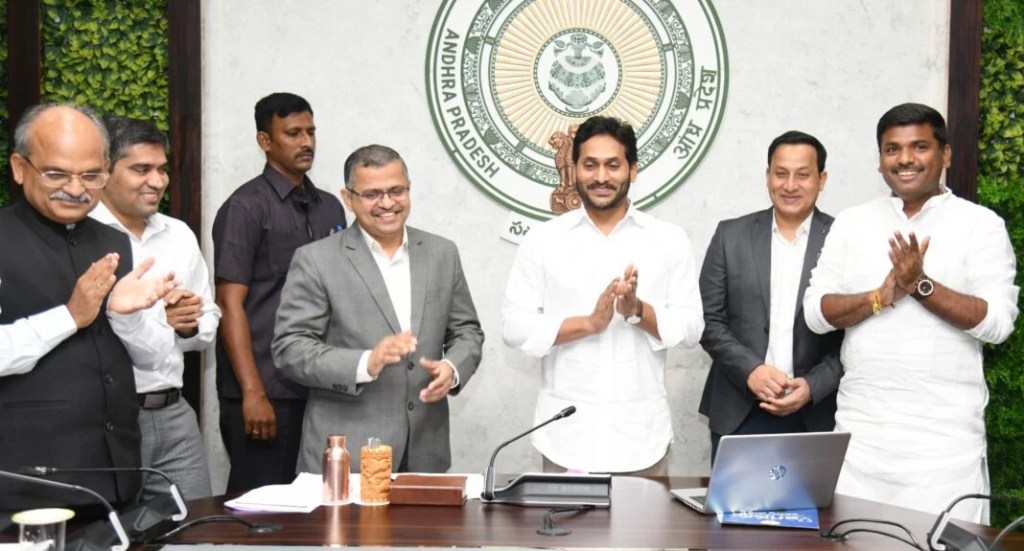
As Andhra Pradesh undergoes a seismic economic transition, this article unravels the intricacies of the state’s journey, from ambitious investment goals set by former Chief Minister Chandrababu Naidu to the current challenges faced under Chief Minister YS Jagan Reddy’s administration. The tug-of-war between development and political dynamics takes centre stage, impacting investor confidence and reshaping the state’s economic landscape.
The former CM envisioned Andhra Pradesh as a top global investment destination by 2050, attracting substantial ventures like KIA Motors and Hero Motocorp. However, under the current governance, decisions reversing previous strides and prioritizing welfare schemes over industrial development have dampened investor confidence. The abrupt halt of crucial projects like Polavaram and Amaravathi raises doubts about the state’s commitment to sustained economic growth, creating a challenging environment for attracting and retaining investments.
The investor exodus from Andhra Pradesh is often linked to alleged policy shifts, especially opposition to prior MOUs. The repercussions of reverse tendering on major projects, coupled with government policies like project audits, reservations, insufficient infrastructure investment, and ambiguous positions on Amaravati and Polavaram, collectively erode investor confidence. This perceived unfriendliness towards investors creates obstacles for sustained long-term business engagement, raising concerns about the state’s economic trajectory and its ability to attract and retain crucial investments.
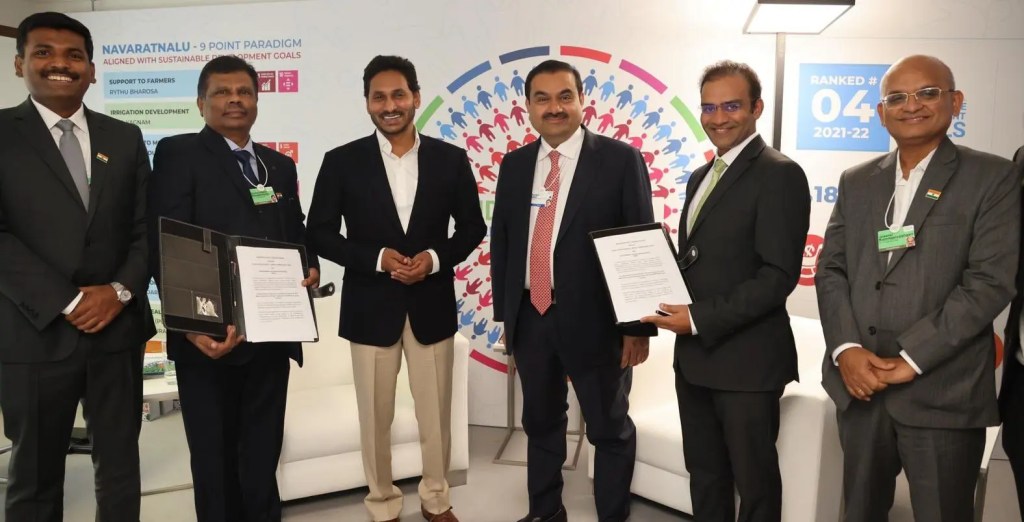
This narrative illuminates a stark dichotomy between Naidu’s visionary leadership, marked by global investment summits and robust infrastructure development, and Jagan Reddy’s purported focus on welfare state. The exploration underscores the profound influence of leadership styles on investor confidence and, consequently, the economic trajectory of the state.
In the midst of criticisms surrounding the present government’s management, its recent efforts to attract investments in Andhra Pradesh are seen by some as a political manoeuvre. Despite lingering concerns, the article emphasizes noteworthy initiatives, including the establishment of MSME units, successful agreements with major investors, and substantial FDI inflows from October 2019 to December 2020. While these endeavours are acknowledged, scepticism remains, with some viewing them as strategic rather than genuinely focused on sustainable economic development. The potential impact of these measures on reshaping the state’s economic landscape is highlighted, but the political context adds a layer of complexity, raising questions about the long-term intentions and outcomes of these initiatives.
The state’s infrastructure development projects, spotlighting significant initiatives such as the Nadikudi-Srikalahasti railway project, the construction of highway sections, and Adani Group’s substantial investments are well appreciate. These developments, while facing challenges, reflect positive economic prospects for Andhra Pradesh. The Krishnapatnam port deal, where Adani Group is set to acquire a controlling stake, is a notable highlight, indicating continued interest and investment in the state’s maritime infrastructure. These projects got capability in enhancing connectivity, trade, and overall economic growth. Despite the complexities and hurdles, these endeavours contribute to shaping Andhra Pradesh’s economic trajectory and positioning it as a key player in India’s infrastructure and business landscape.
Some navigate the contrasting perspectives on Andhra Pradesh’s future – one highlighting investor pull-outs and economic challenges, and the other underscoring the state’s endeavours to attract investments and foster infrastructure development. It delves into the complexities of the situation, acknowledging both criticism and positive strides made by the government. The impending challenges, including debt burdens and pending bills, are discussed, urging a balanced approach to ensure sustained economic growth. The narrative emphasizes the significance of transparent policies, clarity on stalled projects, and innovative financing models to address the state’s financial constraints.
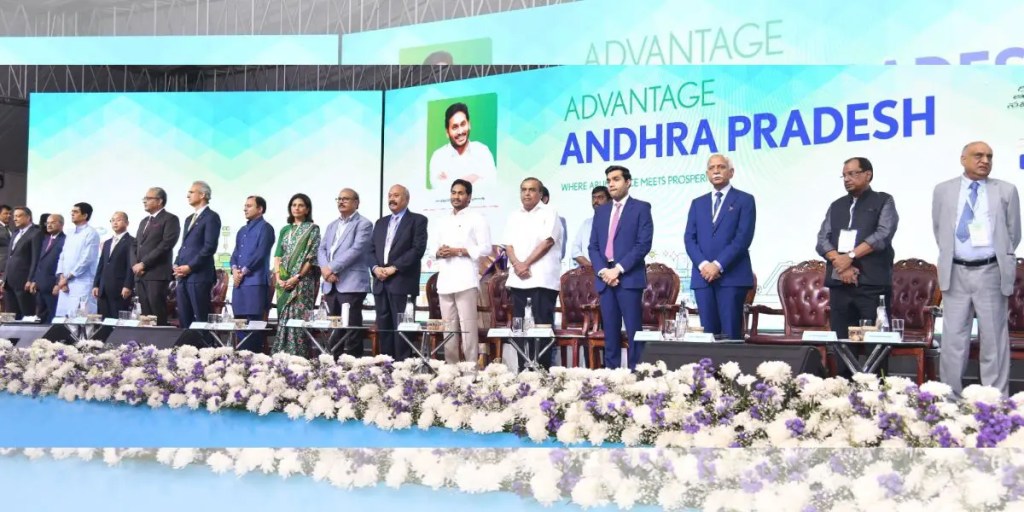
Finally, the article delves into the intricate economic scenario at Andhra Pradesh’s crossroads, emphasizing the vital need for pragmatic policies, transparent governance, and a balanced alignment between welfare schemes and industrial development. The state’s future prosperity is intricately tied to navigating these challenges adeptly, reinstating investor confidence, and ensuring that political decisions harmonize with the long-term economic well-being of its populace. Acknowledging the complex economic landscape, the narrative addresses critiques of the current administration while recognizing commendable efforts to attract investments. It sheds light on the impact of stalled projects, financial constraints, and pending bills, emphasizing the urgency of innovative financing models. The discourse advocates for clarity on infrastructure initiatives like Polavaram and Amaravathi, stressing the requirement for a holistic approach to address the state’s fiscal challenges. Serving as a comprehensive exploration, the article calls for Andhra Pradesh to chart a forward path with visionary governance, investor-friendly policies, and a steadfast commitment to sustainable economic growth, recognizing the delicate interplay of political decisions and economic outcomes in shaping the state’s economic destiny.
visit arjasrikanth.in for more insights
 SOCIAL PERSPECTIVES