“Maldives government suspends ministers for derogatory remarks against PM Modi. The power of social media in shaping diplomatic discourse and its repercussions on India-Maldives relations.”

In a surprising turn of events, the Maldives government recently suspended three deputy ministers for making derogatory remarks against Indian Prime Minister Narendra Modi on social media. The incident has sparked debates on the influence of social media on diplomatic relations and raises questions about freedom of expression in the digital age. This article delves into the details of the controversy, the response from both nations, and the broader implications of social media diplomacy.
The controversy erupted when deputy ministers Mariam Shona Masha Shari and Majhi made derogatory remarks against Prime Minister Narendra Modi on various social media platforms. The Maldives government, responding promptly, suspended the ministers, emphasizing that such remarks were personal opinions and did not reflect the official stance of the Maldivian government. The comments included disparaging comparisons and criticisms, sparking a wave of responses both locally and internationally.
Mariam Shona, in particular, had previously made disparaging comments about PM Modi, sharing now-deleted posts that included photos of Modi’s visit to Lakshadweep. She compared India to a cow and expressed opinions favouring previous administrations over the current one. The Maldivian government distanced itself from these comments, emphasizing that they do not align with official policy. Former Maldives President M Deep criticized the statements, stating they were unacceptable and expressing hope for resignations.
The controversy comes just months after the Maldives government, under President Mohammed Moiz, requested the withdrawal of Indian military personnel from the nation. This recent incident has added strain to the relationship between India and the Maldives. The derogatory remarks, along with subsequent actions, have led to a social media battle between Maldivian politicians and Indian users, with calls for a boycott of travel to the Maldives gaining traction.
The controversy unfolded shortly after Prime Minister Narendra Modi shared images from his visit to Lakshadweep, promoting domestic tourism. The positive message was well-received, leading to increased interest in Lakshadweep as a tourist destination. However, some Maldivian politicians expressed discontent, leading to derogatory remarks and a clash between supporters and critics on social media.
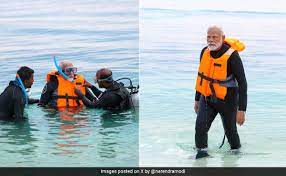
The Indian government, taking note of the derogatory commentary, raised the issue with the Maldivian administration, expressing displeasure over the remarks facing slack. The Maldivian government, in response, distanced itself from the comments, stating they were made in a personal capacity. The Modi government emphasized its commitment to acting against those making such remarks, leading to the swift suspension of the three ministers involved.
The incident has triggered a broader discussion on the influence of social media in shaping international relations. With derogatory remarks leading to diplomatic tensions, the use of social media as a platform for expressing political opinions has become a critical concern. The incident has also prompted discussions on the need for clear guidelines on the digital expression of opinions by government officials.
The controversy highlights the challenge of maintaining diplomatic etiquette in the digital age. While social media provides a platform for individuals to express their opinions, the line between personal views and official positions can become blurred, leading to unintended diplomatic consequences. The erosion of traditional channels of communication has given rise to unfiltered expressions that can strain relations between nations.
The Maldives social media controversy serves as a stark reminder of the challenges posed by digital diplomacy. While social media platforms offer unprecedented reach and immediacy, they also bring risks to diplomatic relations. The incident underscores the importance of clear guidelines for government officials in expressing opinions on digital platforms and the need for swift, decisive action in addressing diplomatic challenges arising from the online space. As nations navigate this evolving landscape, it becomes imperative to strike a balance between freedom of expression and maintaining the decorum expected in international relations.
visit arjasrikanth.in for more insights
 SOCIAL PERSPECTIVES