“India’s Diplomatic Odyssey 2023 : Navigating Challenges, Cultivating Collaborations”
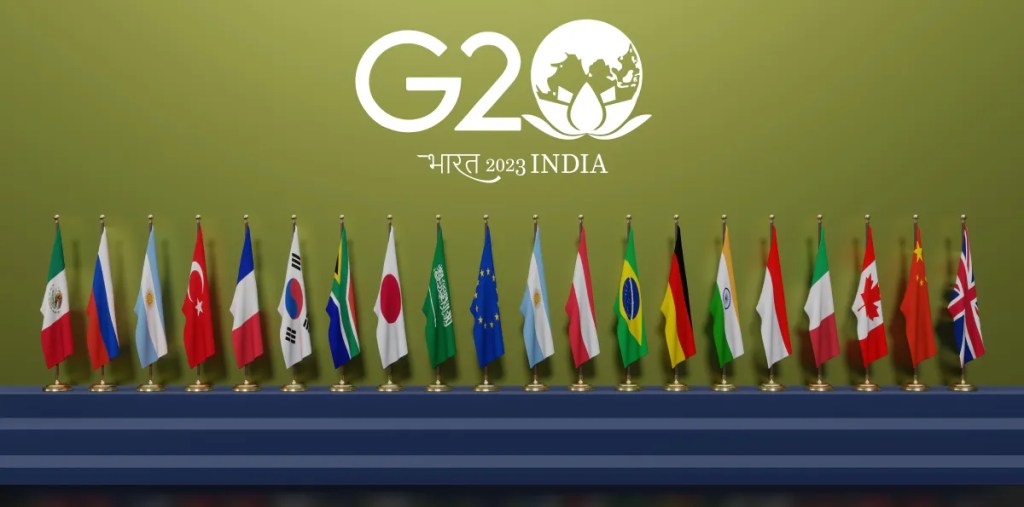
In an era where global dynamics undergo constant shifts, India emerges as a beacon of diplomatic finesse. As a global leader, India meticulously balances equidistance between giants, fostering its Atmanirbhar spirit while aspiring to become one of the world’s top three economies in the next five years. India’s diplomatic approach is akin to a tightrope walk, maintaining a delicate equilibrium between global powers. By championing the Atmanirbhar initiative, India not only aims for economic self-reliance but also ensures the growth of its local industries. This careful dance involves simultaneous engagements with major players, a testament to India’s nuanced diplomatic strategy.
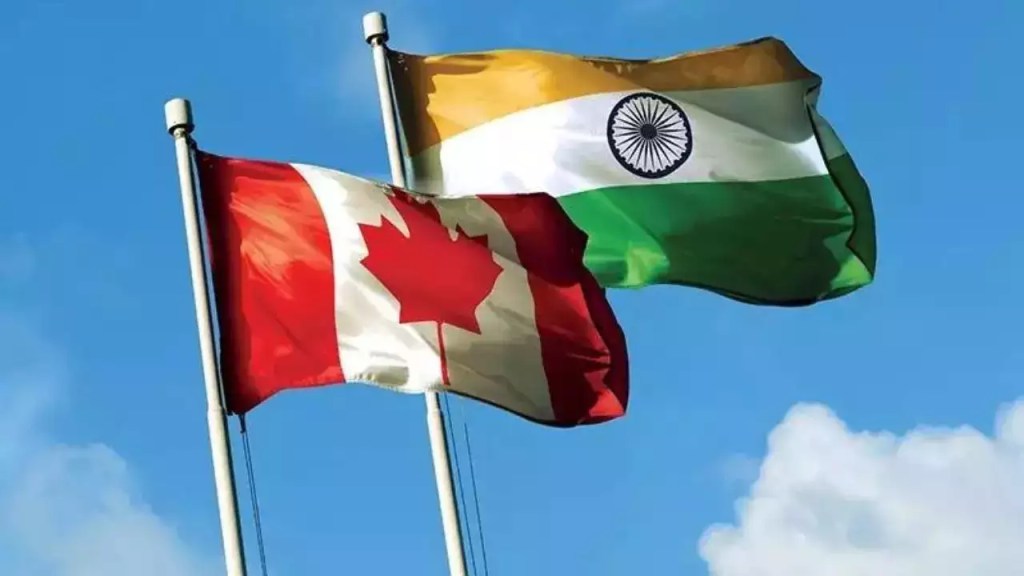
The odyssey unfolds from the western horizon, where India’s relations with Canada plummet to an unprecedented low. The diplomatic landscape, already marred by the tragic Kanishka bombing incident in 1980, witnesses a renewed downturn in 2023. Credible allegations linking India to the assassination of a Khalistani leader on Canadian soil become a focal point, amplifying the echoes of historical wounds. In the aftermath, diplomats are swiftly removed, and visa restrictions are imposed, inflicting a significant blow to the bilateral relationship. However, India, adept in the delicate art of diplomacy, strategically recalibrates its approach, skilfully walking back on some impositions to avert a complete rupture. This diplomatic dance, amidst the scars of history and contemporary challenges, underscores the nation’s resilience and commitment to navigating complex terrains. Despite the tense atmosphere, the absence of a widespread investment exodus signals a steadfast determination to weather challenges. In the face of diplomatic adversity, India’s ability to maintain equilibrium emerges as a testament to its diplomatic finesse and unwavering pursuit of cooperative partnerships on the global stage.
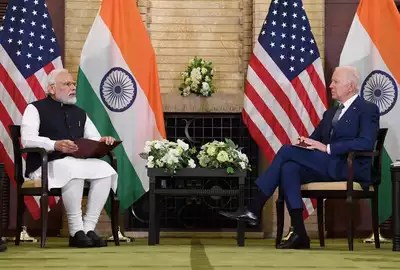
In the unfolding narrative, PM Modi’s journey to the United States becomes a pivotal chapter marred by allegations of a plot to assassinate a Khalistani leader on American soil. However, this challenging backdrop is juxtaposed against the backdrop of the remarkable evolution of relations between India and the USA over the past two and a half decades. The alleged involvement of an Indian official in an assassination plot triggers a unique response from India, demonstrating its unwavering commitment to the rule of law. Filing a case in a New York court, India confronts the complexity of the situation, with the USA viewing trafficking, gun running, and assassination plots with grave concern. The establishment of a high-level probe committee underscores India’s serious approach to address the intricacies of the matter. Amidst these diplomatic hurdles, the USA’s decision to bypass an invitation to attend the Republic Day parade stands as a minor blip in an otherwise robust relationship. The collaboration between India and the USA extends seamlessly from sea to stars, encompassing shared endeavours in space exploration, clean energy initiatives, advancements in AI, quantum computing, and the facilitation of higher education exchanges. This collaborative synergy underscores the resilience and depth of the Indo-American partnership despite transient challenges.
In the midst of the conflict between Israel and Hamas, India’s stance evolves from initial support to Israel into a delicate balancing act. Witnessing the devastating casualties, particularly among women and children, India shifts its focus towards emphasizing humanitarian care. Advocating for a global role in controlling the attacks, India takes a diplomatic stand in the UN General Assembly, voting in favour of a ceasefire. This decision is a testament to India’s commitment to ensuring the safety of the substantial Indian population, amounting to 90 lakh individuals, working in the Gulf. Balancing diplomatic ties with Israel, India calls for a cessation of indiscriminate air strikes against Gaza, aligning its position with the global sentiment against attacks on civilians. In navigating the complexities of the Israel-Hamas conflict, India strategically positions itself as a proponent of peace and humanitarian values, emphasizing the need for a cessation of hostilities to protect innocent lives in the region.
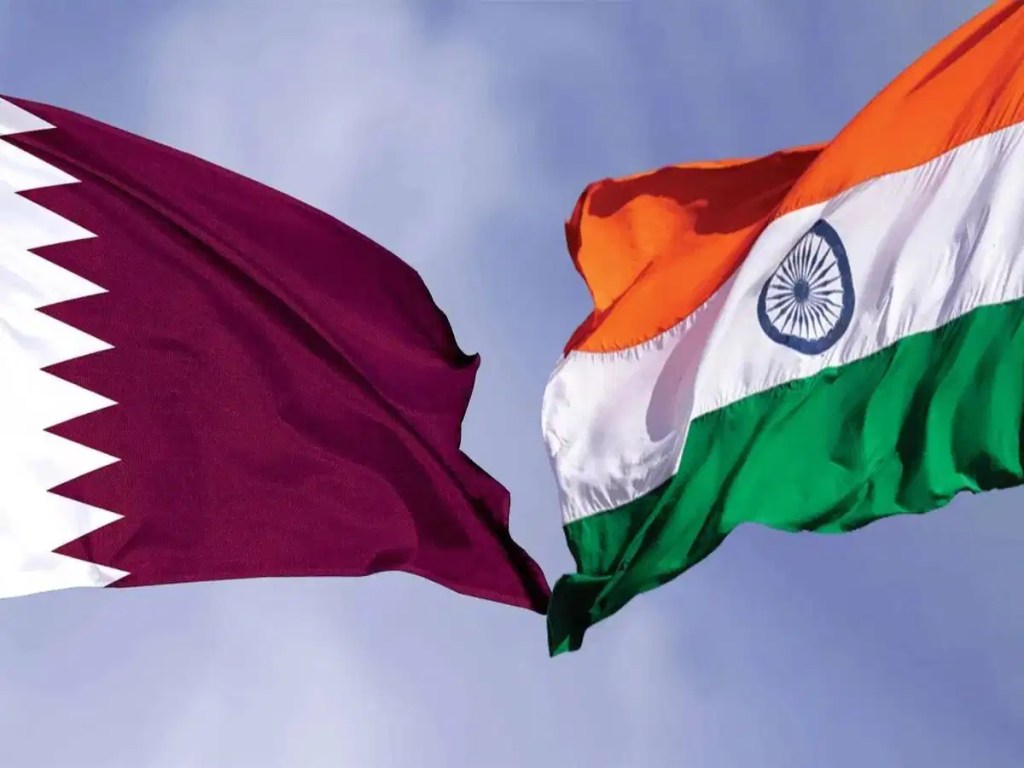
In Qatar, the looming spectre of eight Indian navy men facing the death penalty becomes a severe test for diplomatic ties. The gravity of the situation is compounded by Qatar’s delayed communication with India, adding layers of complexity to the challenge. The eventual reduction of the death penalty to life imprisonment brings a collective sigh of relief, and the Indian government reaffirms its commitment to supporting the families affected by this distressing ordeal. Remarkably, despite the diplomatic challenges posed by this incident, relations between India and Qatar manage to withstand the strain, showcasing the resilience and maturity in the diplomatic ties between the two nations. This episode serves as a poignant reminder of the intricate nature of international relations and the importance of navigating such crises with diplomatic finesse.

As the Taliban asserts control over Kabul for an extended period of two and a half years, India tactfully sustains working-level relations, extending crucial humanitarian support to the Afghan populace. Vigilant and watchful, India carefully monitors the actions of the Taliban-led government, implementing stringent measures to prevent the display of the Taliban flag in both Indian and international waters. Navigating through challenges, India maintains a strategic engagement with the Taliban, underscoring its unwavering commitment to fostering regional stability. This delicate dance on the diplomatic stage highlights India’s pragmatic approach, carefully balancing its interests with the need for stability in the tumultuous Afghan landscape.
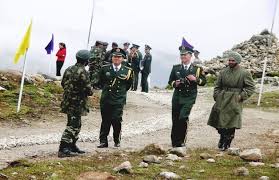
Amid persistent tensions with China, characterized by aggression in various regions, the Maldives becomes a focal point where India’s strategic decisions come under scrutiny. The withdrawal of Indian military forces, complying with China’s directives, sparks concerns and adds complexity to the already delicate geopolitical landscape. The India-China border, once emblematic of peace, is now fraught with challenges, hosting an intimidating presence of 50,000 troops on either side. Since the escalation in 2020, the repercussions are evident, with diminished student exchanges and a discernible surge in Chinese influence in the Maldives. The situation, far from achieving normalcy, presents a looming spectre of tension, particularly concerning Taiwan. More than 50% of global goods passing through the South China Sea further intensify the strategic importance of the region. Frequent meetings between the Chinese President and the Indian PM reflect the urgency to address the burgeoning challenges, yet conclusive outcomes remain elusive, underscoring the complexities embedded in the diplomatic discourse between these two formidable nations.
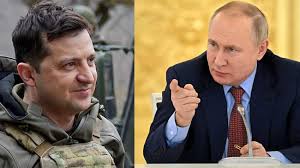
As the Russia-Ukraine war extends into its twenty-third month, the financial haemorrhage on both sides sends ripples through the global economy, presenting a complex challenge for India. Heavily reliant on Russian oil at discounted rates, India deftly navigates the economic fallout, recognizing the intricate web of consequences. The war’s impact reverberates globally, with fluctuating oil prices creating a tumultuous market where traders grapple to sell Russian oil, impeding shipping movements and contributing to the broader economic instability. For India, seeking diversification in defense dependence becomes imperative in this geopolitical quagmire. The conundrum deepens as its biggest adversary and primary supplier, Russia, aligns closely with the unfolding events. The delicate balancing act becomes paramount for India, as it carefully manoeuvres through the geopolitical storm, aiming to safeguard its strategic interests while mitigating the economic repercussions of the protracted conflict. In this intricate dance of diplomacy, India’s adept navigation remains crucial for maintaining stability amid the turbulence of global affairs.

Hosting the G20 stands as a diplomatic triumph for India, transcending mere event logistics. The inclusion of 120 lesser-developed nations under the Global South umbrella marks a substantial achievement, giving a resonant global platform to address climate challenges and developmental needs. This expanded representation amplifies the voices of nations often marginalized in international discourse. The induction of the African Union into the G20 further solidifies its significance, ensuring the concerns of the entire African continent are heard in this influential forum. As Brazil prepares to take the G20 reins in 2024, the alignment of Western powers, Russia, and China indicates a breakthrough in fostering international cooperation. The G20’s resurgence during challenging times becomes a beacon of hope, offering prospects for global consensus on pressing issues, showcasing the diplomatic dexterity essential for navigating the complexities of the contemporary geopolitical landscape.
The geopolitical landscape of 2024 witnesses over 50 countries, including India’s neighbour Bangladesh, gearing up for significant elections. The potential return of Sheikh Hasina in Bangladesh holds the promise of heightened connectivity in the Northeast region, fostering stronger sub-regional ties. This prospect aligns with India’s strategic interests in promoting regional cooperation and economic development. Beyond Bangladesh, elections in Taiwan, Pakistan, Indonesia, the United States, and the United Kingdom carry far-reaching global implications. The outcomes of these electoral processes are poised to shape international relations, introducing new dynamics and potential shifts in policy directions. Of particular interest is the fate of the UK Conservatives, facing a formidable battle after over a decade in power. The evolving political landscape in the UK may have repercussions on bilateral relations and cooperation with countries like India. As a key player in global affairs, India keenly observes these elections, cognizant of the consequential nature of political transitions. The diplomatic calculus of nations will inevitably adjust to the outcomes, contributing to the fluidity and dynamism characterizing international relations in the contemporary era.
In the intricate dance of global diplomacy, India gracefully walks the tightrope of leadership, confronting challenges with poise. Despite occasional diplomatic lows and regional tensions, India’s steadfast commitment to dialogue, cooperation, and the rule of law shines through. The Atmanirbhar spirit, driving economic self-reliance, becomes a catalyst for India’s aspirations of global leadership, fostering local industries and contributing to a robust national economy. In a world characterized by intricate complexities, India emerges not only as a global leader but as a diplomatic maestro, adept at maintaining equilibrium amid the ever-evolving geopolitical landscapes. The positive outlook stems from India’s resilience and diplomatic finesse, evident in its ability to navigate multifaceted challenges. As the global audience observes, India’s diplomatic odyssey unfolds as a beacon of collaboration, stability, and shared prosperity, promising a future where nations work together for mutual benefit. The nation’s diplomatic journey is not merely a narrative of survival but a testament to India’s role as a proactive contributor to global harmony and progress.
In this narrative, India positions itself not just as a participant in the global stage but as a leader shaping the discourse of international relations. The ability to balance strategic interests, foster economic growth, and cultivate diplomatic relationships reflects a nation that understands the nuances of modern diplomacy. As the world watches India’s positive diplomatic odyssey, it becomes evident that the nation’s role goes beyond regional influence—it extends to being a pivotal player in the global arena, where collaboration, stability, and shared prosperity are the guiding principles of a promising future. As India walks the tightrope of global leadership, navigating through challenges with grace, the overall outlook is positive. Despite diplomatic lows and regional tensions, India’s commitment to dialogue, cooperation, and the rule of law remains unwavering. The Atmanirbhar spirit propels local industries, contributing to India’s global leadership aspirations. In a world marked by complexities, India emerges not only as a global leader but also as a diplomatic maestro, adept at maintaining equilibrium in the face of ever-evolving geopolitical landscapes. As the world watches, India’s positive diplomatic odyssey continues, promising a future of collaboration, stability, and shared prosperity.
visit arjasrikanth.in for more insights
 SOCIAL PERSPECTIVES