“Unveiling the dual facets of civil service – a journey from Aspiration to Reality. Explore the dynamics of power, satisfaction, and the intricate balance in shaping a nation’s destiny.”
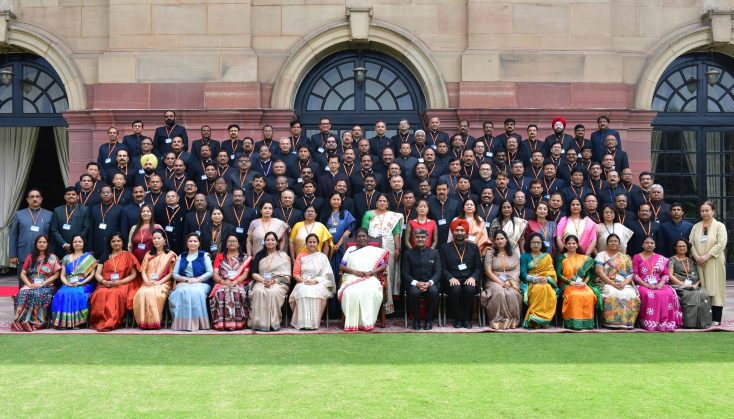
The attraction to civil service arises from noble aspirations, familial influences, and a commitment to societal welfare. Yet, the harsh reality becomes evident upon exploring the intricacies of this esteemed profession. Despite the allure of power and influence, the journey is marked by challenges, ethical dilemmas, and an ongoing quest for meaningful impact. Civil servants navigate a complex terrain, where the idealism that propels them is tested by the intricate demands of public service, underscoring the need for resilience and unwavering dedication to effect positive change in the face of multifaceted challenges.
Once hailed as the steel frame of independent India, the nation’s civil service has undergone a decline from its esteemed history. The contemporary successors, grapple with pervasive challenges like Political bossism, inefficiency, nepotism, and corruption. Unfortunately, these issues tend to overshadow the committed many who strive to uphold the integrity of the system, painting a complex picture of the present state of India’s civil services in contrast to their once revered status.
In a notable address to the Lok Sabha, Prime Minister Narendra Modi sharply criticized the civil services, highlighting longstanding issues and their impact on India’s growth. He specifically identified unchecked power wielded by civil servants as a hindrance, expressing frustration at a bureaucratic system tainted by perceived arrogance and inefficiency. The resonance of the prime minister’s critique with the public underscores a common perception of bureaucratic shortcomings. This moment not only brings attention to the challenges within the civil services but also signals a need for reform and a reassessment of the role and effectiveness of civil servants in driving the nation’s progress.

The bureaucratic culture, commonly termed “babu culture,” is characterized by potent symbols of power and invincibility. Elements like imposing office chairs and the ubiquitous white towel draped over civil servants create an aura of unassailable authority. Additionally, the presence of red lights outside office doors accentuates hierarchical importance, intensifying the stark divide between civil servants and ordinary citizens seeking redressal. These symbolic features not only reinforce the entrenched bureaucracy’s image but also contribute to the perceptual and physical barriers that separate civil servants from the populace they are meant to serve.
The All India Civil Services (Conduct) Rules mandate civil servants to embody kindness and dignity, yet a disconcerting revelation arises—as per a study, over fifty percent of them are perceived as ruthless and adept in fraudulent activities. Scrutiny of the selection and training processes exposes a lack of practical wisdom and knowledge among civil servants. Ignorance becomes prevalent, with some officers lacking even basic financial understanding. The repercussions manifest in erroneous orders, unveiling an unsettling pattern of unprofessionalism that further accentuates the challenges and deficiencies within the bureaucratic machinery.
The civil services’ recruitment process, particularly the dominance of certain services, faces criticism for generating generalists in a world that demands specialists. The inherited archaic structure from the colonial era resists reforms proposed by the Administrative Reforms Commission. This resistance to change impedes effective policymaking, as civil servants, lacking specialization, assume expertise across diverse fields without adequate training. The result is a systemic deficiency that hampers the adaptability and efficiency of civil servants in meeting the evolving demands of contemporary governance and societal needs.

Examining the broader societal impact reveals a century-long trend where graduates both technical and Non technical, gravitate towards government jobs, perpetuating a strain on the economy. The pursuit of job security and an idealized government lifestyle hinder employment generation, impeding economic growth. These systemic issues extend to the education system and family expectations, fostering a prolonged race for coveted government positions. This scenario not only affects individual career choices but also poses challenges to national economic development by creating imbalances in the job market and perpetuating the allure of government employment over diverse and entrepreneurial career paths.
Contrary to popular belief, civil servants navigate within constraints, often unable to choose their team or exert disciplinary powers swiftly. The need to accomplish tasks in a resource-constrained environment prompts a paradoxical approach – treating subordinates with apparent disregard to shake their conscience, an unconventional method to achieve objectives. The lack of empowerment to solve inherent problems creates an atmosphere where the hierarchy resorts to unconventional means for achieving objectives.
The ongoing debate on lateral entry into civil services raises concerns about ideological inclinations. However, the existing bureaucratic structure, resembling an inverted pyramid with an excess of top positions, necessitates reevaluation. The fear of political alignment in lateral entry should be weighed against the prevailing “committed” bureaucracy that has evolved over decades due to intense competition within civil servants for influential posts. Balancing the need for fresh perspectives with the established commitment of long-serving officers poses a challenge, highlighting the complexity of reforming a system deeply ingrained in India’s administrative history.
As the civil services confront internal challenges and external criticisms, a pivotal question arises: can India’s bureaucracy reclaim its former glory? The reforms spearheaded by the Modi government, encompassing both training and structural changes, aspire to redefine the role of civil servants. The objective is to foster a more efficient, specialized, and accountable system. Amidst ongoing transformations, the bureaucracy is at a crossroads, and the success of these initiatives holds the key to revitalizing the civil services, aligning them with the demands of contemporary governance, and ensuring their continued relevance in shaping India’s future.
As the armed forces safeguard the nation externally, civil servants assume a vital role in maintaining internal peace and governance. The pride linked to both roles is well-founded, considering their collective contribution to the nation’s prosperity. A salute extends beyond the armed forces, recognizing every individual involved in nation-building, from the President to the municipality sweeper. It signifies a collective acknowledgment of diverse contributions, emphasizing the collaborative efforts required for the holistic progress and well-being of the nation, from the highest echelons of leadership to the grassroots workers dedicated to the betterment of society.
The historical trajectory of India’s civil services, once celebrated as the steel frame, has encountered numerous challenges, marking a transition from its illustrious past to the complexities of the present. The contemporary state of civil services is characterized by ethical dilemmas, challenges, and an ongoing pursuit of authentic impact. Despite inherent flaws, civil servants continue to play a pivotal role in shaping the nation’s destiny, and their significance remains undeniable.
visit arjasrikanth.in for more insights
 SOCIAL PERSPECTIVES