“Empowering Divyangas Globally: The Transformative Role of Braille in Reshaping Lives”
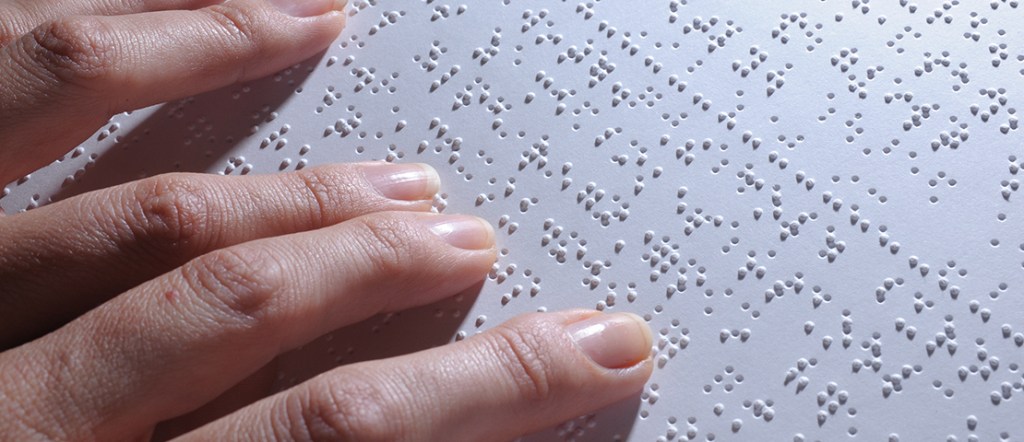
Caption: “Unlocking the world of possibilities—how Braille serves as a boon for Divyangas (people with disabilities) both nationally and globally. 🌐📘 #BrailleEmpowerment #InclusionForAll”
In a world where an estimated 40 million people are blind, with 18 million in India alone, the significance of Braille as a means of communication cannot be overstated. This article explores the impact of Braille on the lives of Divyangas, shedding light on its global relevance and transformative role in reshaping the narrative of disability.
It is challenging to pinpoint the exact number of blind individuals globally, influenced by factors like healthcare, education, and population growth. The estimates suggest around 40 million blind people worldwide, with 12 million in India. The prevalence of blindness poses significant challenges, especially considering the diverse needs of individuals.
The planning of blindness control in India must consider recent population-based data, indicating that the number of blind persons in India is over 18 million. This data emphasizes the urgency of adopting comprehensive strategies to address the needs of the visually impaired population.
World Braille Day, celebrated annually on January 4th, serves as a global platform to raise awareness about Braille and advocate for accessibility for the visually impaired. This day emphasizes the importance of using Braille and other accessible technologies to enable people with visual impairments to participate fully in society.
Many blind and partially sighted individuals find Braille to be a valuable tool at work. It serves as a fast and efficient way to make notes in meetings, review long printed documents, and participate actively in professional settings. Additionally, Braille is used on signage, menus, and everyday items, making it an integral part of modern life.
The Braille system has been instrumental in integrating blind people into society by providing access to education. Braille allows blind individuals to study math and science, fostering literacy and intellectual freedom. The system’s adaptability to various languages ensures a global impact on education.
Learning Braille is essential for individuals with visual impairments. Braille books, signage, and everyday items labelled in Braille contribute to creating an inclusive environment. The Braille Challenge, an annual event, highlights the skills of those with visual impairments and promotes the use of Braille.
Louis Braille, a French educator, invented the tactile system of reading and writing for the blind in 1824. Braille’s system, consisting of raised dot codes, is now used worldwide. The invention marked a crucial step in empowering the blind community, providing them with access to literacy and communication.
Braille isn’t confined to transcribing books; it extends to signage, menus, and labelling everyday items like medications. Its role in making public spaces accessible ensures that individuals with visual impairments can navigate the world independently.
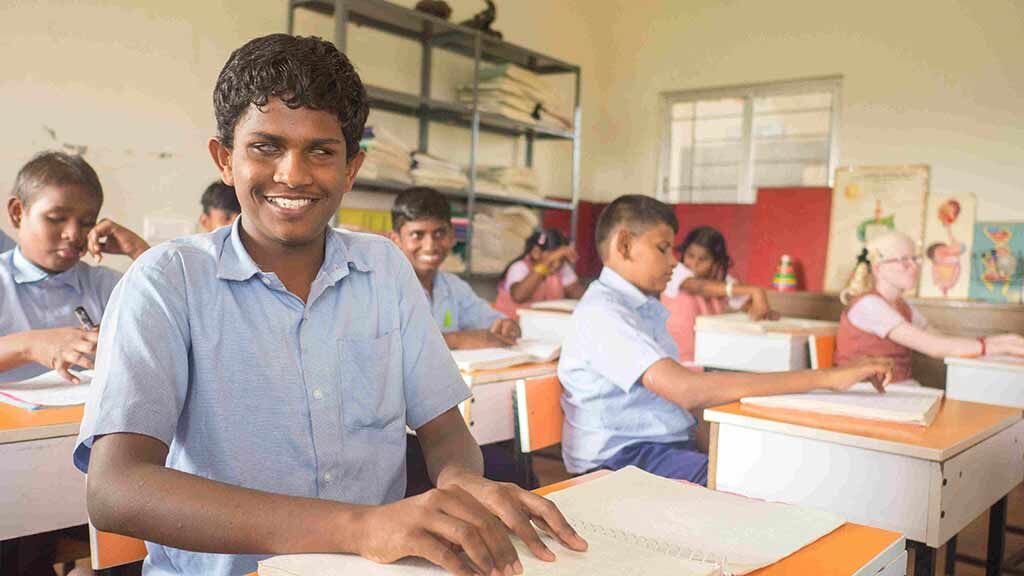
In conclusion, Braille emerges as a transformative force in the lives of Divyangas, both nationally and globally. Its significance extends beyond being a communication tool—it serves as a gateway to education, literacy, and societal integration. World Braille Day serves as a reminder of the ongoing need for accessibility, encouraging the use of Braille to create a more inclusive world. As we celebrate Braille’s impact on World Braille Day, let us recognize its role in empowering individuals with visual impairments, providing them with the tools they need to navigate and contribute meaningfully to our diverse and interconnected global society.
visit arjasrikanth.in for more insights
 SOCIAL PERSPECTIVES