In the vast expanse of India, where every twist and turn unveils a new chapter of diversity, the intricate web of Indian Railways silently weaves together the nation’s socio-economic fabric. With a network spanning 67,000 km, operating 13,000 passenger trains, and facilitating the movement of 23 million passengers and 9,000 freight trains transporting 3.05 million tonnes of freight daily, the Indian Railways stands as a testament to the nation’s growth. However, beneath this colossal operation lies a story of challenges, resilience, and a commitment to technological evolution.
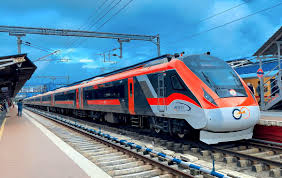
Gang Man, Gate Man, Bogie Man, Loco Man, and Station Man are unsung hero’s of Indian Railway. Within the realm of Indian Railways, a symphony of roles unfolds. The Gang Man tirelessly maintains the tracks, the Gate Man guards crucial intersections, the Bogie Man ensures the smooth functioning of passenger carriages, the Loco Man commands the locomotives, and the Station Man orchestrates the activities at railway stations. These unsung heroes form the backbone of a system that breathes life into the nation’s connectivity.
Despite its monumental role, Indian Railways faces challenges that echo through its vast expanse. The infrastructure, once resilient, now grapples with overstretching, inadequate capacity, and an unmet demand for both freight and passenger services. The need for innovation becomes paramount to surmount these hurdles and propel Indian Railways into a future marked by efficiency and sustainability.
Recognizing the need for technological intervention, Indian Railways embraces the Real-Time Train Information System (RTIS). With a network as extensive as India’s, manual data collection becomes a bottleneck. RTIS, powered by the Internet of Things (IoT), leverages GPS devices installed in locomotives to track real-time train movements. This initiative brings automation to control charts, ensuring accurate information reaches both the system and passengers promptly.
Traditionally, train movement data was captured manually, with the Station Master relaying information to the Traffic Controller. Despite digitalization in control chart processes, the manual flow of information persisted. This intricate dance of coordination was crucial for managing both freight and passenger trains sharing the same tracks. The limitations of this system prompted the adoption of RTIS.
The deployment of IoT in locomotives, encapsulated in RTIS and REMMLOT, brings a multitude of benefits. From automated control chart plotting and accurate passenger information to energy-efficient driving and advanced monitoring of train speed profiles, IoT revolutionizes the efficiency and safety of rail operations. The integration of AI further opens avenues for real-time analytics and predictive functionalities.
As Indian Railways continues its journey into the digital age, the potential applications of RTIS expand. From estimating train travel times and preventing overspeeding to optimizing network usage and automatic rescheduling of trains, RTIS emerges as a versatile tool. The future promises enhanced utilization, ensuring that the system operates at its optimal capacity with a focus on punctuality and resource efficiency.
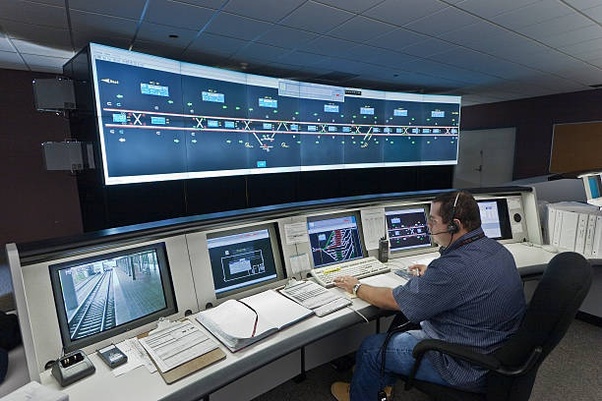
As the rails of Indian Railways crisscross the subcontinent, they carry not just trains but the aspirations, challenges, and innovations of a nation. The complexity of rail operations, intricately managed by dedicated individuals and propelled by technological advancements like RTIS, showcases the resilience and determination embedded in the heart of Indian Railways. The journey continues, with each track laid and each train moving forward, contributing to the tapestry of a nation on the move.
visit arjasrikanth.in for more insights
 SOCIAL PERSPECTIVES