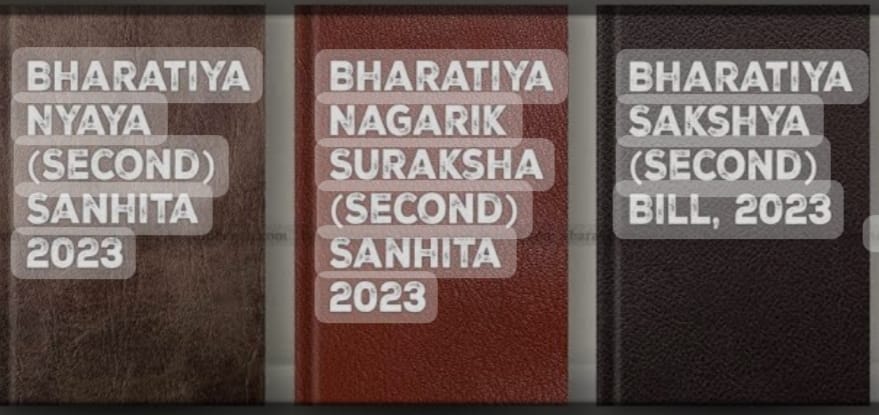
In a landmark move, the Lok Sabha recently approved three transformative bills, sparking a seismic shift in India’s criminal justice system. This exploration focuses on the Bharatiya Nyaya (Second) Sanhita Bill (BNSS), Bharatiya Sakshya (Second) Bill (BSS), and Bharatiya Nagarik Suraksha (Second) Sanhita Bill (BNSSS), providing an in-depth analysis of their implications for the average citizen.
The BNSS, targeting the outdated Indian Penal Code (IPC) of 1860, the BSS aiming at the Indian Evidence Act of 1872, and the BNSSS seeking to overhaul the Code of Criminal Procedure (CRPC) of 1898, have set the stage for a legal revolution. Union Home Minister Amit Shah, in presenting these bills, emphasized their overarching objective – to establish a justice system aligned with Indian principles. However, the bills’ passage amid the suspension of 97 MPs stirred debates about the urgency and transparency of the legislative process.
Shah’s emphasis on the colonial legacy of existing laws, particularly the IPC’s punitive rather than justice-oriented nature, underscores the need for change. The proposed Bharatiya Nyaya (Second) Sanhita, 2023 positions itself as a replacement aligned with the constitutional spirit. Shah contends that these bills aim to liberate citizens from colonial mindsets and symbols, fostering a justice system deeply rooted in Indian ethos. The bills, passed by voice vote, signify a paradigm shift in India’s criminal justice philosophy.
The BNSS introduces pivotal changes, challenging the status quo of the IPC. It redefines the concept of a child, includes transgender individuals in the gender definition, and recognizes electronic and digital records as valid documents. The legislation introduces new chapters addressing offenses against women and children, inchoate offenses, and crimes like organized crime, terrorism, and mob lynching. The removal of sedition as a crime and the introduction of “offenses against the state” mark significant departures from the colonial past.
The BNSSS proposes substantial amendments to the CRPC, expanding the scope of proclaimed offenders and introducing provisions for arresting offenses with less than a three-year sentence with prior approval from senior police officers. Noteworthy innovations include 15 days of police custody within the initial 40/60 days of the detention period, in-absentia trials, and the introduction of electronic FIRs. The legislation streamlines bail procedures, introduces community service as punishment for theft under Rs 5,000, and emphasizes audio-video electronic means for transparency and accountability.
The BSS focuses on transforming the Indian Evidence Act, ushering in a digital revolution. The legislation recognizes electronic records as documents and introduces standards for considering them as primary evidence. Husband and wife are now competent witnesses in criminal proceedings against each other. The bill simplifies bail procedures in acquittal cases, introduces plea bargaining for first-time offenders, and lays down comprehensive guidelines for submitting electronic evidence.
As India embarks on this legal revolution, the implications for the average citizen are profound. The extended custody periods, redefined offenses, and the embrace of digital evidence present both challenges and opportunities. The bills strive to balance the scales of justice, promoting transparency, inclusivity, and a departure from colonial vestiges. Navigating this new legal terrain requires a collective commitment to understanding, adapting, and ensuring that justice remains the cornerstone of India’s evolving legal landscape.
visit arjasrikanth.in for more insights
 SOCIAL PERSPECTIVES