“A journey from Dubai to Vatry, France to Mumbai unravels the complexities of international travel, shedding light on the urgent need for heightened vigilance against human trafficking networks.”
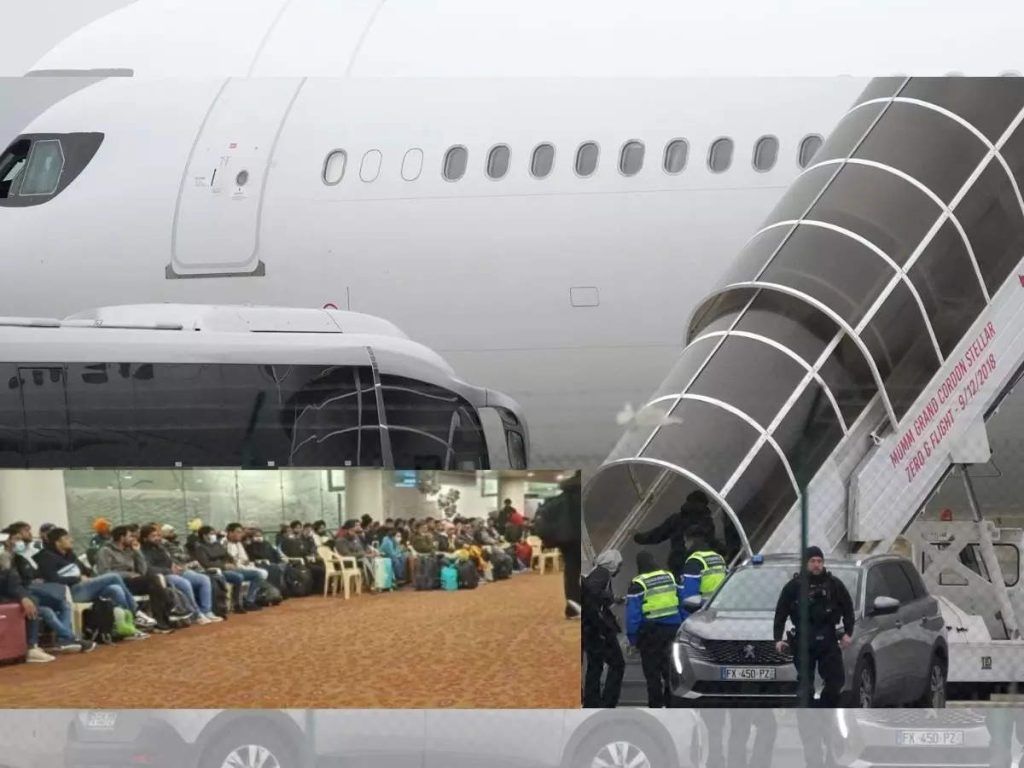
In a startling turn of events, the Romanian Flight bound for Nicaragua became the epicentre of controversy, grounded in France over suspicions of human trafficking. This article peels back the layers of the incident, unravelling the intricacies of international aviation regulations, the ongoing investigations, and the fate of the passengers caught in the crossfire.
Nicaragua, nestled in Central America, has long been a gateway for illegal migration to the US and Canada, colloquially known as the “donkey route” in India. Individuals often land in these countries with valid visas, only to embark on illicit journeys across borders.
Operated by Romanian carrier Legend Airlines, the flight faced a sudden halt in France after authorities received an anonymous tip regarding human trafficking. The subsequent investigation involved intense interrogations, document verifications, and detentions. The French government’s meticulous process ultimately led to the lifting of the embargo on December 24th, allowing the flight to resume on December 25th.
Unexpectedly, the flight was redirected to India, shining a spotlight on the complexities of international permissions. Out of the 303 passengers, 25 sought asylum in France, sparking debates about their uncertain status. The remaining 275 passengers returned to India, undergoing thorough questioning by immigration and investigative authorities.
Among the 25 seeking asylum, some held written tickets, while others possessed valid documents for Nicaragua. The lack of concrete evidence and a paper trail complicates the allegations, leaving the asylum seekers in a state of limbo with unanswered questions about their eventual status.
Returning passengers faced a grueling 45-hour process of scrutiny by immigration authorities, including the CBI. While most were temporarily allowed to return to their home states, each passenger underwent questioning and scrutiny by local authorities.
Despite mentions by the Indian government of four Nepalese individuals, clarity on their involvement remains elusive. The uncertain status of the asylum seekers adds another layer of complexity to the situation.
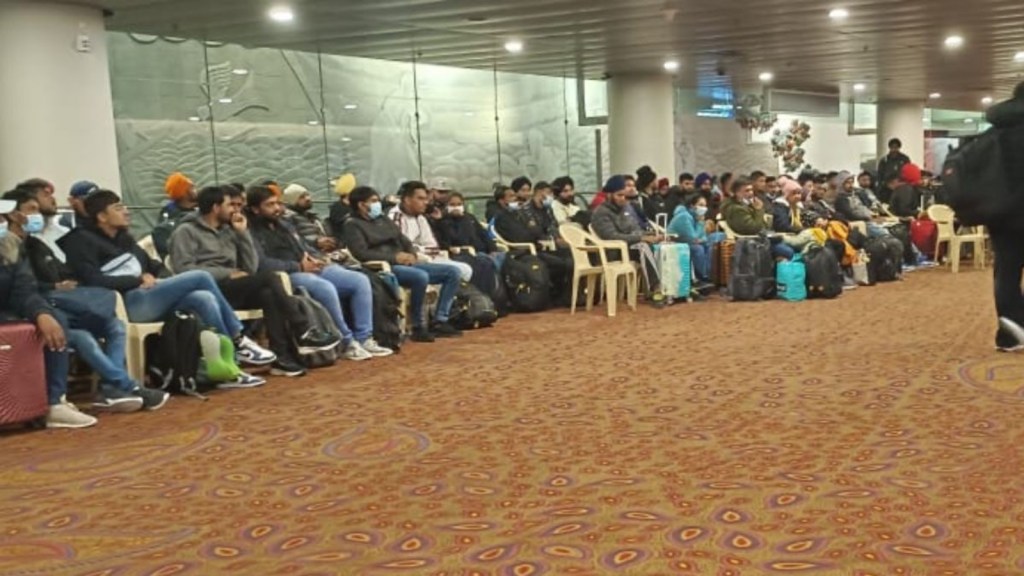
The Romanian Flight saga unveils the intricacies of international aviation, immigration, and the persistent challenges posed by human trafficking. Despite the lack of concrete evidence, the incident underscores vulnerabilities in the system and emphasizes the urgent need for comprehensive international cooperation. As passengers attempt to reintegrate into their lives, lingering questions about the asylum seekers highlight the complexities of global migration issues. The aftermath of the Romanian Flight serves as a stark reminder of the ongoing struggles against illegal migration, emphasizing the continuous efforts required to safeguard the integrity of international borders.
visit arjasrikanth.in for more insights
 SOCIAL PERSPECTIVES