“Dive into the complexities of India’s battle against the GN1 and JN1 variants, exploring their characteristics, governmental responses, and individual protective measures.”
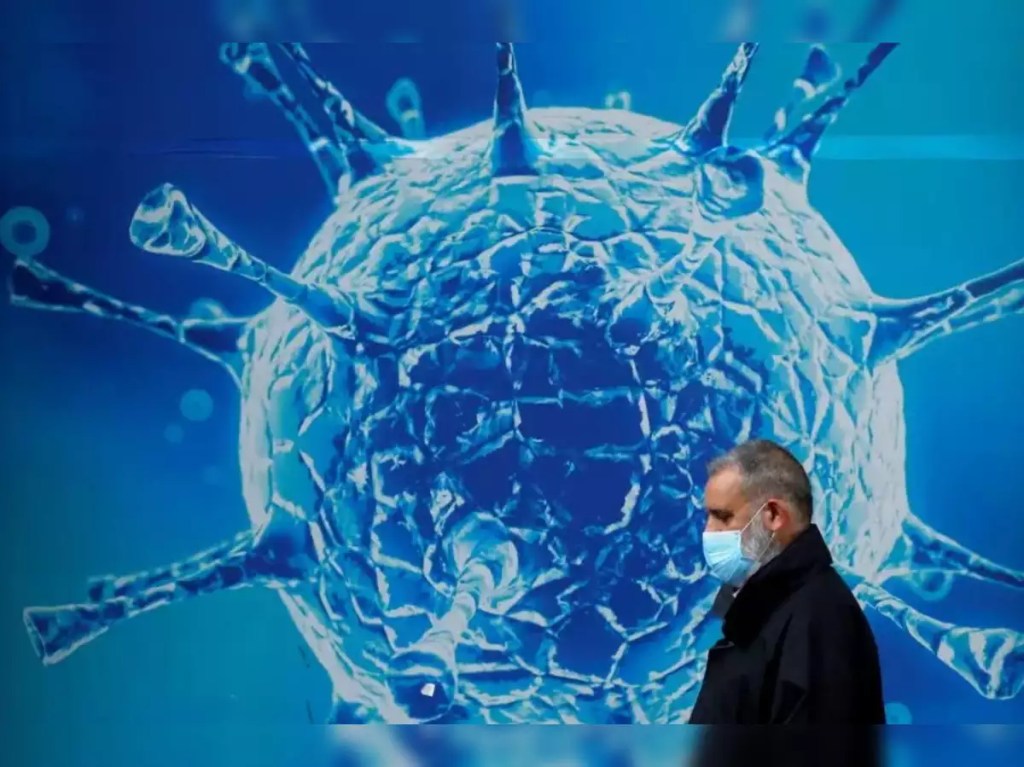
As India navigates the relentless waves of the COVID-19 pandemic, two new variants, GN1 and JN1, have emerged, demanding attention and strategic responses. In this comprehensive article, we delve into the intricacies of each variant, examining their characteristics, the actions taken by health authorities, and the crucial preventive measures individuals can adopt.
The GN1 variant, a subvariant of Omicron, has recently taken center stage in the ongoing battle against COVID-19 in India. Designated as a variant of interest by the World Health Organization (WHO), GN1 demonstrates a competitive advantage over other circulating variants. In the United States, GN1 accounts for a significant share of cases, emphasizing its dominance.
While concerns about increased transmissibility persist, data thus far has not shown a rise in severe cases or adverse outcomes associated with GN1. The genetic makeup of GN1, with one additional spike protein mutation compared to its predecessor Piola, raises questions about vaccine efficacy, but WHO reassures that existing vaccines remain effective.
In response to the escalating cases of GN1, the Union Health Ministry in India swiftly initiated measures. Directives were issued to all states, urging increased surveillance, enhanced testing, and a revival of genomic sequencing efforts. The decline in testing and sequencing in recent months necessitated this renewed emphasis on identifying and tracking variants.
India’s healthcare system, having gained valuable experience over the past two years, exhibits readiness to tackle the challenges posed by GN1. Hospitals have adapted to handle COVID-19 patients, with the ability to scale up the number of beds and allocate separate wards for effective treatment. The nation’s proactive approach positions it well to manage potential increases in hospitalizations.
As GN1 spreads, individual adherence to preventive measures becomes paramount. Health experts emphasize the importance of regular handwashing and mask-wearing in public spaces. While panic is discouraged, these simple measures play a crucial role in curbing the transmission of GN1 and other variants.
Simultaneously, another player, JN1, has entered the scene, particularly gaining traction in Kerala. This article explores the characteristics of JN1, its genetic distinctions, and the response from health authorities.
JN1, as an Omicron subvariant, shares its lineage with Piola, but with fewer spike protein mutations. Despite its prevalence, there is no conclusive evidence of increased severity associated with JN1. WHO assures that existing vaccines continue to be effective against JN1.
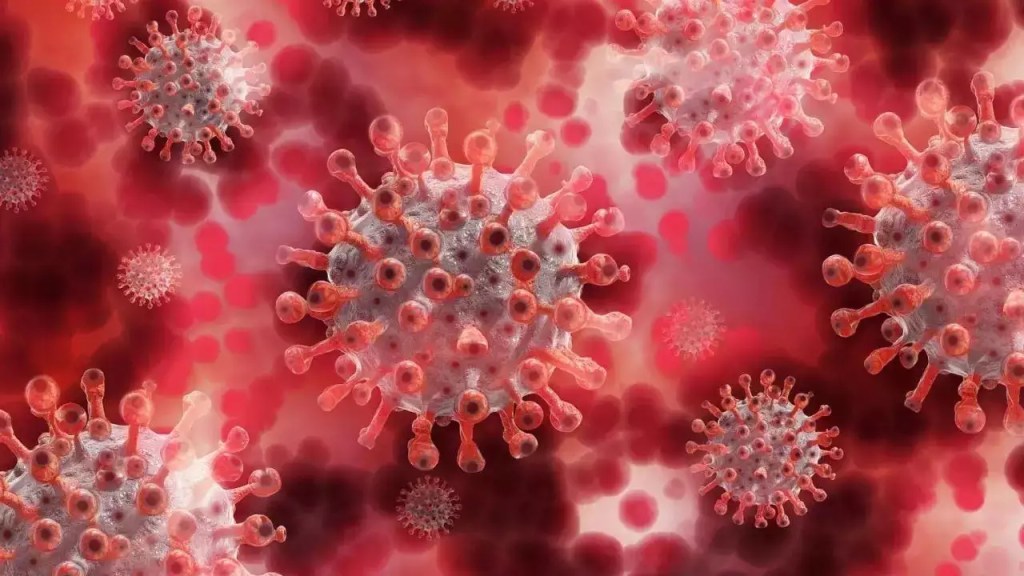
India finds itself at the crossroads of a dual challenge, grappling with GN1 and JN1. The emergence of these variants underscores the fluid nature of the pandemic, demanding ongoing vigilance and adaptive strategies. The nation’s response, characterized by swift government action, a resilient healthcare system, and individual commitment to preventive measures, reflects a collective determination to overcome these challenges. As uncertainties persist, India stands united in its pursuit of health and resilience against the evolving landscape of the COVID-19 pandemic.
visit arjasrikanth.in for more insights
 SOCIAL PERSPECTIVES