Navigating the Waves of Change – The Evolution of Online Education

A Decade of Transformative Initiatives has seen a remarkable shift in the education sector, especially with the rise of online education. This article explores the profound impact of online education, dissecting its opportunities and challenges, and how it aligns with the broader vision for India’s future.
Online education has disrupted traditional learning institutions, democratizing access to education. This flexible and affordable approach has seen a surge in individuals opting for online courses, whether for skill development, career advancement, or formal education. The shift is evident in the evolving perception of online degrees, moving from scepticism to widespread acceptance.

The perception of online education has undergone a significant transformation. Initially met with skepticism, online learning is gaining widespread acknowledgment of its effectiveness. Advancements like virtual classrooms and interactive learning experiences have played a pivotal role in this shift. Employers and academic institutions now recognize the value of online degrees, aligning them with industry needs and favorably considering them in hiring and promotion decisions.
The COVID-19 pandemic acted as a catalyst, accelerating the adoption of online learning. It highlighted the convenience and accessibility of online education, breaking down barriers and making it a viable option for skill development and formal education.

Academic institutions are recognizing online education not as a replacement but as a complementary element to the traditional framework. The key is to find a balance where the strengths of traditional education, such as personal interactions and campus experiences, seamlessly blend with the flexibility and accessibility offered by online platforms.
Technological advancements, especially the integration of artificial intelligence (AI), have significantly impacted the delivery and experience of online courses. AI has introduced personalized learning experiences, adapting coursework to meet individual students’ requirements. The future holds promises of more innovations in AI, immersive technologies, and extended reality, enriching online learning experiences.
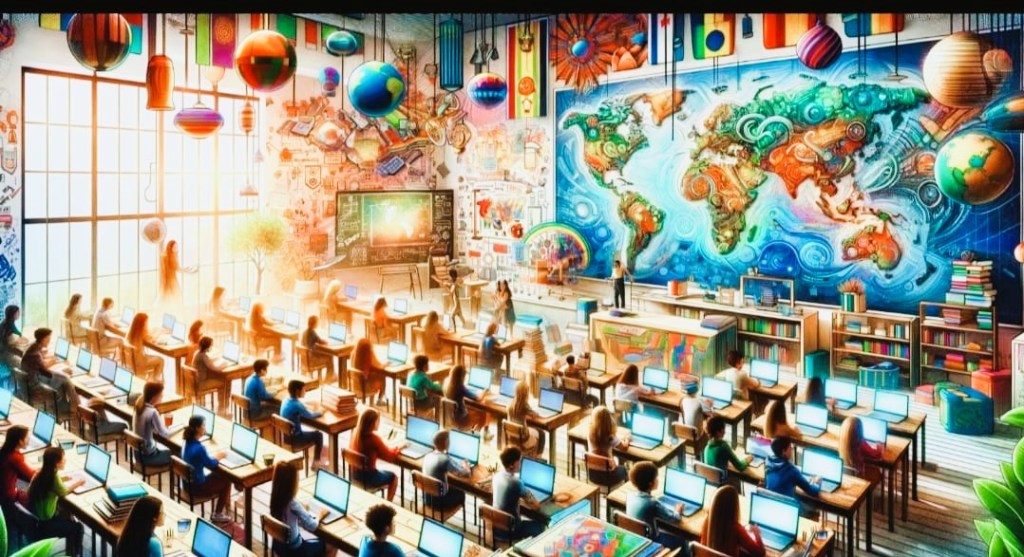
Employers are increasingly recognizing the value of online degrees, especially from reputable institutions. Online degrees reflect dynamic learning environments, allowing professionals to pursue advanced degrees without interrupting their careers. The flexibility offered by online education aligns well with the demands of a dynamic work environment.
Academic institutions are incorporating online education as a complimentary element to traditional frameworks. The focus is on finding a symbiotic relationship between traditional and contemporary teaching methods, creating a positive shift in perception.
Contrary to common misconceptions, online courses cover a wide range of subjects. Many institutions offer diverse programs, from business administration to computer applications, arts, and social work. The global accessibility of online education is facilitated through advanced learning management systems, ensuring learners worldwide can access quality education seamlessly.

While challenges exist, including connectivity issues, time management, and learner isolation, many institutions address them through a multi-faceted approach. Robust infrastructure minimizes connectivity problems, regular check-ins and engaging content combat learner isolation, and flexible scheduling options ease time management challenges. The future of online education is promising, with personalized learning experiences being a major trend. Artificial intelligence will play a crucial role in tailoring education to individual learning styles. The integration of AI, immersive technologies, and extended reality will further revolutionize online learning, providing rich, engaging, and effective educational experiences.
visit arjasrikanth.in for more insights
 SOCIAL PERSPECTIVES