“Ringside Turmoil: The Struggle for Integrity in India’s Wrestling Federation”
In the arena where national pride clashes with political influence, India’s Wrestling Federation finds itself entangled in a web of controversy. With the recent suspension of the newly-elected committee, coupled with the retirement of Olympic medallist Sakshi Malik and the symbolic return of Padma Shri by Bajrang Punia, the Wrestling Federation of India (WFI) is undergoing a tumultuous period. This article dissects the multifaceted crisis, exploring the political intricacies, the sexual harassment scandal, and the consequential fallout.
The shockwaves rippled through the sporting community as Olympic medallist Sakshi Malik announced her retirement on the same day that Sanjay Singh assumed the presidency of WFI. This move sent a powerful message, symbolizing dissent against the political manoeuvring within the federation. Sakshi, along with fellow wrestlers, had earlier accused the previous president, Brij Bhushan Singh, of sexual harassment, sparking months of protests that were temporarily quelled in June.
The saga traces back to allegations of sexual harassment and intimidation against Brij Bhushan Singh. Despite the controversy, he completed his term, and the scheduled elections were delayed due to legal interventions. The eventual election on December 21 saw Sanjay Singh emerge as the president, reigniting protests and placing the federation in the crosshairs of political scrutiny.
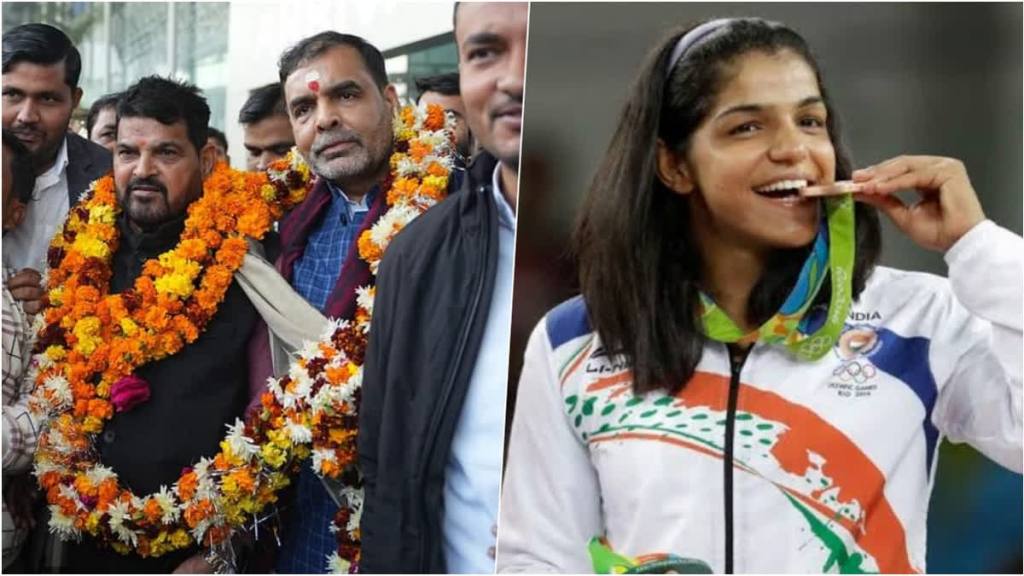
The nexus between sports and politics became glaringly evident with Sanjay Singh’s victory, raising questions about the sincerity of assurances to keep politics out of sports. Despite promises that Brij Bhushan’s family would not contest, Singh, a close associate, secured the majority, underscoring the influence of political affiliations in the election process.
In a surprising turn, the newly elected committee faced suspension by the Ministry of Sports, citing Brijbhushan’s lingering influence. Observations that the federation’s office continued to operate from Brijbhushan’s residence raised concerns about the autonomy of the newly elected body. The immediate announcement of junior wrestling championships without consulting the committee added fuel to the suspicions of arbitrary decision-making.
Sanjay Singh and Brijbhushan’s Singh responded differently to the suspension, with Singh facing criticism for allegedly acting on Brijbhushan’s instructions. Brijbhushan’s claimed retirement from wrestling activities, expressing regret for any celebrations that may have ensued post-election. The wrestling community now faces uncertainty as an interim committee takes charge, determining the immediate future of wrestling in India.
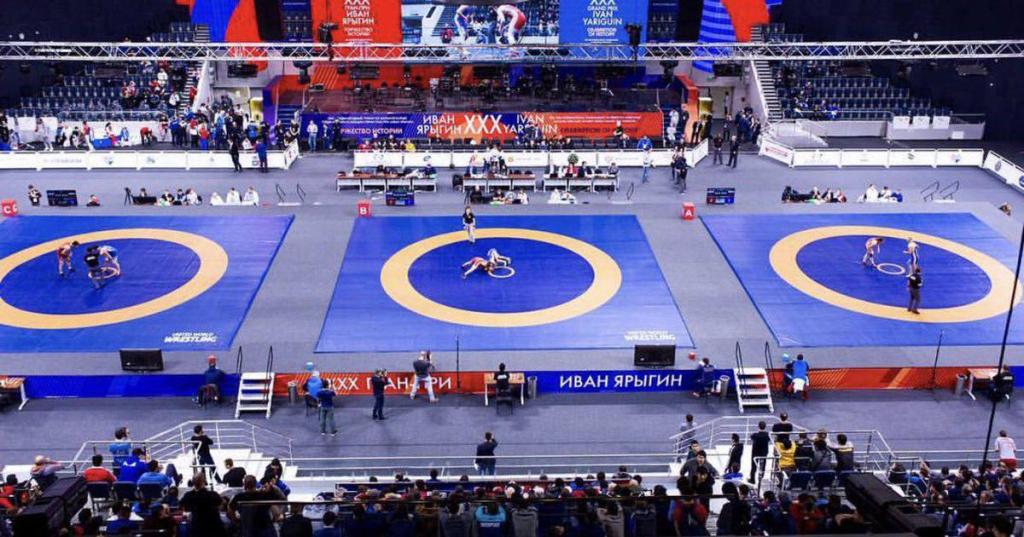
As the turmoil unfolds, critical questions emerge about the priorities in Indian sports. Should the focus be on athletes and their achievements, or do individual egos and political interests take precedence? The intertwining of sports and politics casts a murky shadow over the Wrestling Federation of India, prompting reflection on the integrity of the system. The crisis in the Wrestling Federation of India transcends administrative disputes, exposing systemic issues of power abuse and sexual misconduct. The suspension of the newly elected committee serves as a crucial juncture, prompting reflection on the governance of sports in the country. The resolution of this conflict will determine whether the wrestling ring remains a stage for glory or a battleground for power, emphasizing the need for a renewed commitment to fair play, transparency, and the development of wrestling in India.
visit arjasrikanth.in for more insights
 SOCIAL PERSPECTIVES