“Faith, History, and Justice Collide: The Gyanvapi Dispute Rocks the Spiritual Core of Varanasi”
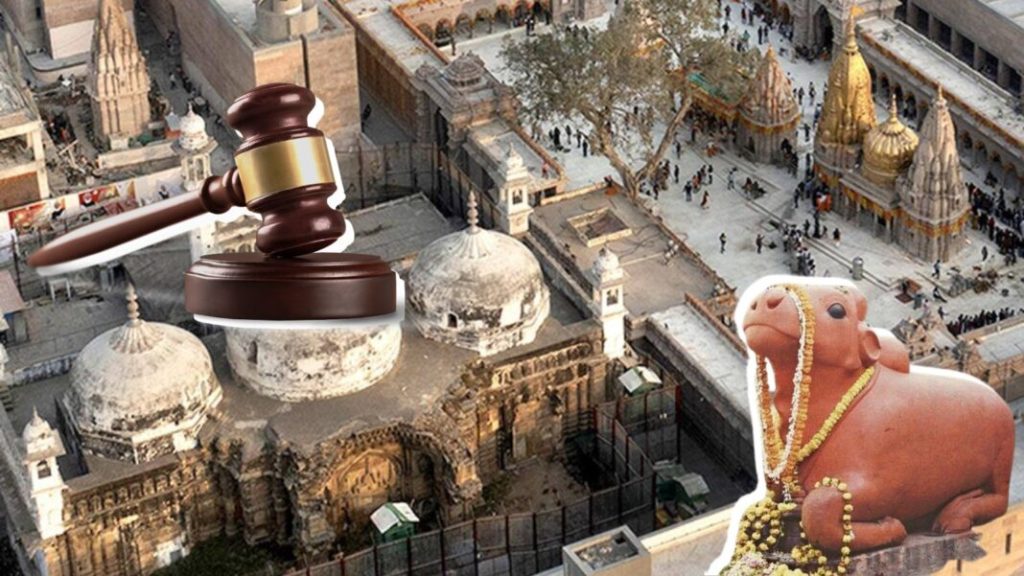
In the heart of Varanasi, where the sacred and the secular intertwine, the Gyanvapi Mosque controversy has ignited a fervent debate between Hindu and Muslim communities. This article delves into the historical roots, legal intricacies, and recent developments surrounding the Gyanvapi dispute, exploring the delicate balance between faith and the pursuit of justice.
Built in 1669 during the reign of Mughal Emperor Aurangzeb, the Gyanvapi Mosque in Varanasi stands as a testament to India’s rich and complex history. However, beneath its serene facade lies a dispute that has festered for decades, tracing its origins to the mosque’s construction on the site of the original Kashi Vishwanath Temple.
The legal battle surrounding the Gyanvapi dispute has been long and contentious. The Varanasi court, where the suit is pending, seeks to restore the ancient temple at the contested site currently occupied by the mosque. The petitioners argue that the Gyanvapi mosque is an integral part of the temple, urging the removal of Muslims from the complex and the demolition of the mosque.
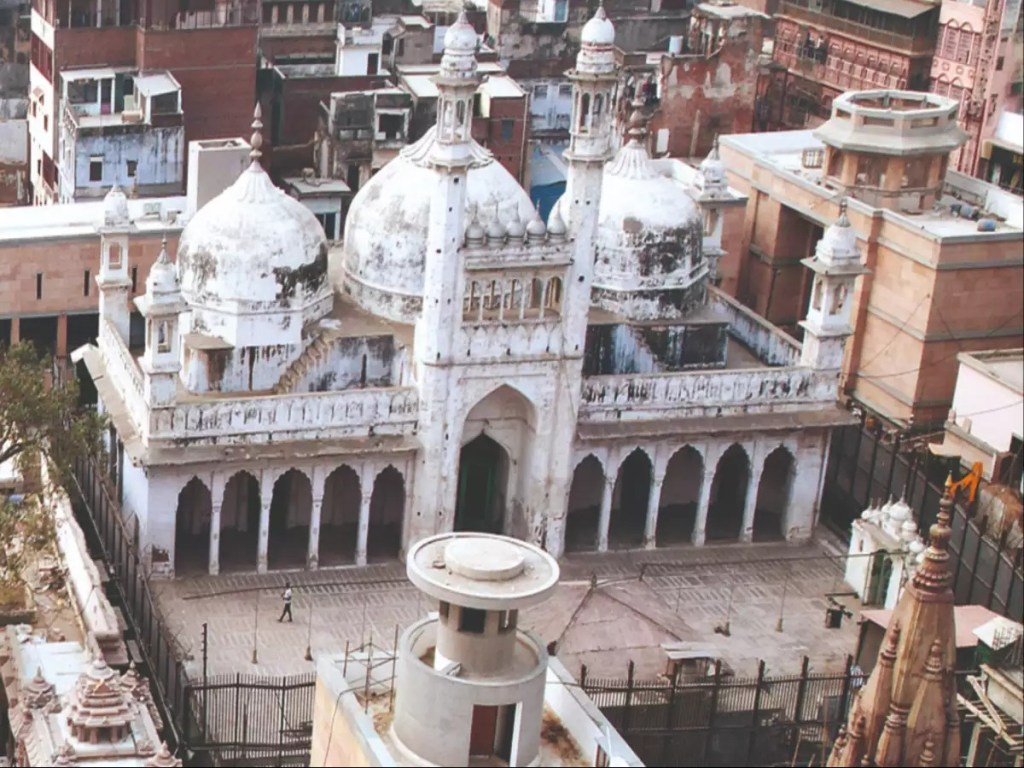
In January 2022, the controversy took a volatile turn when a group of Hindu men, authorized by local authorities, entered the Gyanvapi mosque. Inside, they claimed to have found evidence of the desecration of Hindu deities during the Muslim rule in India, sparking protests and religious tensions in the region.
The Gyanvapi controversy has raised critical questions about the relationship between India’s secular government and its diverse religious communities. The incident in Varanasi has reignited discussions on how the government should navigate religious tensions while upholding the principles of justice and communal harmony.
Examining the historical context of the Gyanvapi controversy involves understanding Aurangzeb’s reign and his impact on religious structures. Scholars argue about the number of temples destroyed during his rule, with some contending that he built more temples than he demolished.
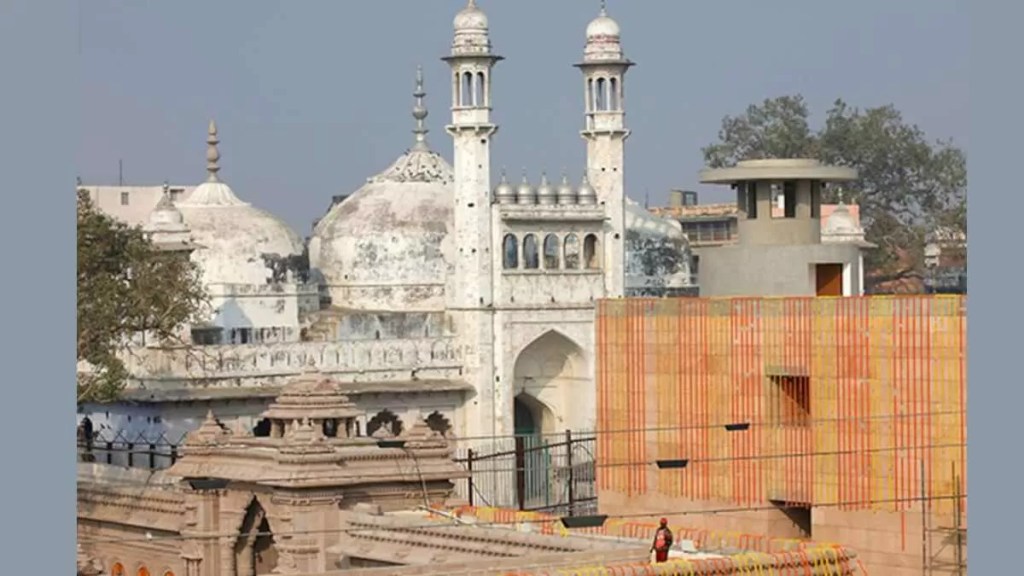
The Allahabad High Court’s recent judgment in the Gyanvapi case rejected all petitions by the mosque committee challenging civil suits that seek the restoration of the temple at the mosque site. The court’s decision adds another layer to the complex narrative of the dispute.
In a bid to uncover the truth behind the Gyanvapi dispute, the Archaeological Survey of India (ASI) conducted a scientific survey of the premises. The report, submitted to the Varanasi district court, is yet to be released, leaving the contents and implications shrouded in mystery.
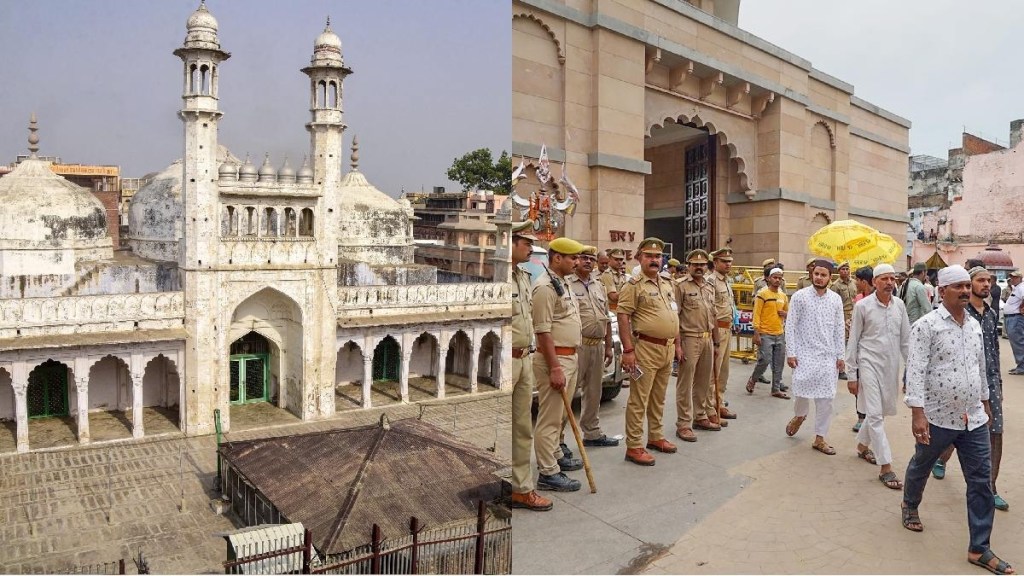
As the Gyanvapi dispute continues to unfold, it becomes a poignant reflection of the challenges in navigating the intersection of faith, history, and justice. Varanasi, a city that embodies the essence of spirituality, finds itself grappling with the echoes of a historical feud. The need for a delicate balance between religious sentiments and legal proceedings is underscored, urging a nuanced and empathetic approach to resolving the complexities embedded in the Gyanvapi controversy. In the heart of this ancient city, the quest for truth and reconciliation unfolds, shaping the narrative of a nation that strives to harmonize its diverse cultural fabric.
visit arjasrikanth.in for more insights
 SOCIAL PERSPECTIVES