“A 4.5 KM Tunnel, 53 Sections, and a Compromised Escape Route: Unravelling the Tragedy in Uttarakhand”
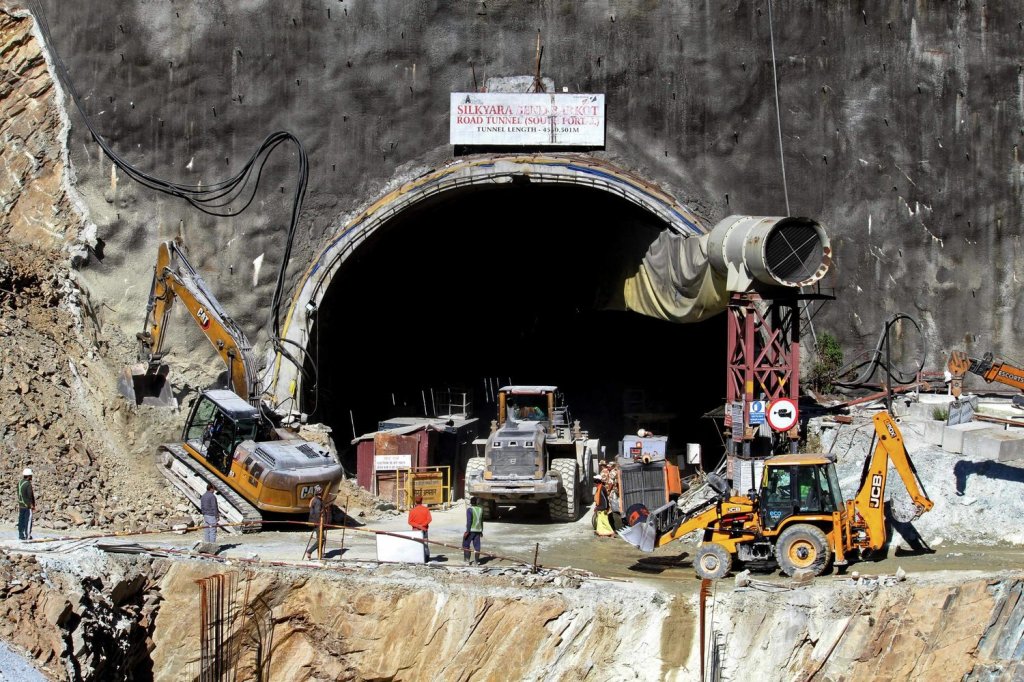
In the lofty reaches of the Himalayas, tragedy struck with the collapse of the Silkyara tunnel in Uttarakhand, shedding light on the dangers of expediting development at the cost of safety. This article meticulously dissects the series of decisions leading to the Uttarkashi tunnel collapse, examining compromised escape routes, environmental oversights, and the pressing need for a paradigm shift in development approaches.
The ambitious Char Dham project aimed to connect holy towns through all-weather roads, yet the urgency to complete it quickly led to a critical compromise – splitting the project into 53 Packages/sections, evading a comprehensive environmental impact assessment.
Splitting the project allowed the government to bypass environmental clearances, but it undermined a holistic evaluation of the Char Dham project’s environmental impact, leading to fragmented assessments and a lack of comprehensive risk analysis.
Roots of environmental oversights trace back to 2013 when the Congress-led Past government waived environmental clearances for road projects under 100 km. The present government capitalized on this waiver, pushing forward with the Char Dham project despite seismic and shear zone implications.
Critical decisions amplified worker vulnerability to geological risks. A glaring omission was the failure to build an escape passage, as stipulated in the original cabinet approval. Ignoring warnings and proceeding without disaster management and safety protocols set the stage for a man-made catastrophe.
The Barkot-Silkyara tunnel faced unexpected geological challenges. Conditions were more challenging than anticipated, according to Bernard Gruppe, the engineering consultancy overseeing the tunnel design and construction.
Despite challenging geological conditions, Navayuga Engineering Company neglected to build an escape route for workers, compromising their safety. Environmentalists had raised concerns about the heavy drilling causing subsidence, landslides, and environmental damage in the fragile Himalayan region.

In 2019, the Supreme Court formed a committee to address environmental concerns. However, disagreements within the committee regarding the width of hill roads persisted. The Supreme Court’s decision to allow a 10-meter width, contrary to guidelines, sparked controversy.
The tragic collapse underscores a persistent issue – the lack of due diligence and accountability in large-scale infrastructure projects. Some emphasize the absence of a culture of responsibility and consequence in the country’s development projects.
Geologists shed light on the dangers of construction work in the ecologically fragile Himalayan state, emphasizing the rapid climate change exacerbated by human intervention. They further explain that even with safety precautions, tunnel collapses can still occur. The Himalayan terrain poses unique challenges due to ongoing squeezing, causing uncertainty and the potential for sudden collapses.

Drawing parallels with other disasters, the article emphasizes the importance of learning from past mistakes. The neglect of warnings led to the failure of the Teesta III project, a cautionary tale unheeded in the Silkyara tunnel case. The surge in natural disasters in the Himalayan region since 2010 highlights the collateral damage of development. The region, in need of economic growth, grapples with the repercussions of infrastructure projects.Environmentalists acknowledge the need for development and power security but emphasizes the importance of striking a balance.
The Uttarakhand tunnel collapse underscores the need for meticulous planning, comprehensive risk assessments, and adherence to safety protocols in ecologically fragile regions. The tragedy demands a paradigm shift in development approaches, focusing on sustainability, accountability, and ecosystem preservation. As the nation Recollects the agony, it stands at a crossroads – a moment to reassess and redefine the future of development in the vulnerable Himalayan terrain.
visit arjarikanth.in for more insights
 SOCIAL PERSPECTIVES