“Climate’s Culprit: How Erratic Weather Fuels the Surge in Garlic Prices”
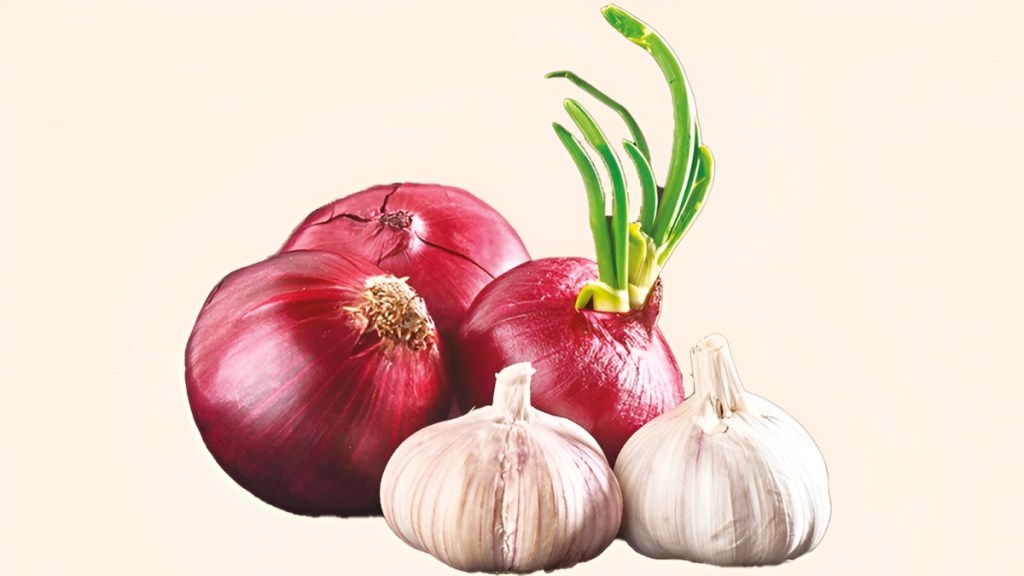
As garlic prices surge across India, a deeper look reveals an unexpected perpetrator—climate change. This article explores the intricate connection between erratic weather patterns, crop behavior, and the escalating garlic prices, unveiling broader implications for both the economy and food security.
The surge in production costs and the dwindling supply of kitchen staples like garlic and onions finds its roots in climate change. Unpredictable weather patterns disrupt crop cycles, creating a ripple effect that resonates from the fields to households.
Garlic, a culinary essential, bears the brunt of climate unpredictability. The disruption caused by delayed monsoons and unseasonal showers wreaks havoc on garlic crops in major producing states like Madhya Pradesh, Chhattisgarh, Rajasthan, and Gujarat. The impact is not confined to the fields; it echoes in kitchens nationwide.
Exploring the delicate balance of garlic’s cropping cycle, akin to onions, reveals a disrupted harmony due to delayed monsoons. Sowing, usually completed by the end of August, experiences setbacks, leading to losses in the kharif crop. The domino effect continues with delayed harvests affecting the supply chain, culminating in soaring prices.
Disrupted supply chains and heightened winter demand propel garlic prices to unprecedented heights. From an average of Rs 40 per kilogram last year, the current market witnesses prices ranging from Rs 250 to Rs 350 per kilogram. Consumers grapple with the financial pinch, transforming a culinary staple into a luxury.
The garlic price surge aligns with the ongoing onion crisis, presenting a challenge for the government. With the 2024 Lok Sabha polls looming, understanding the reasons behind escalating garlic prices becomes imperative. Insights, shed light on crop losses and delayed harvests as primary culprits.
The alarming surge in garlic prices serves as a harbinger of larger concerns—the impact of climate change on food security. Depleting groundwater in major garlic-producing states compounds the issue. As climate change intensifies, the fragility of the agricultural system becomes evident, posing a significant threat to global food security.
Beyond the kitchen and the economy, the surge in garlic prices sends a clear message—climate change is reshaping the way we produce and consume food. Urgent measures are needed not only to address immediate concerns but to develop sustainable agricultural practices resilient to the unpredictable nature of our changing climate. The kitchen, once a haven of culinary delights, now mirrors the urgent need for climate-conscious choices, from crop cultivation to our dinner plates. The choice is ours—adapt and innovate or face the repercussions of an increasingly erratic climate on our daily sustenance.
visit arjasrikanth.in for more insights
 SOCIAL PERSPECTIVES