“Tamil Nadu Rains – A Grim Reminder of Nature’s Wrath Unleashed”
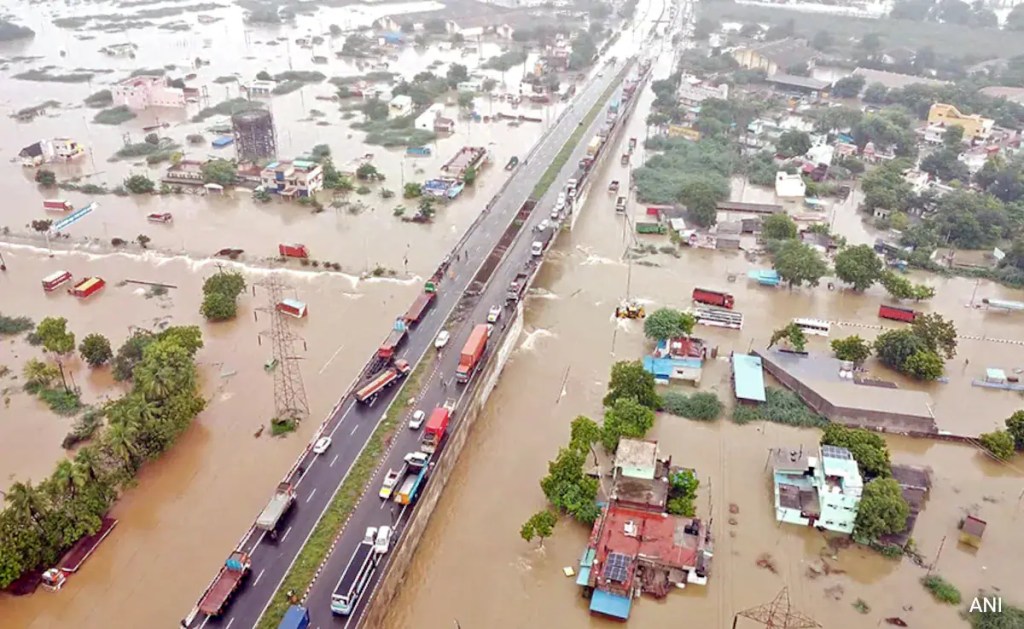
As Tamil Nadu grapples with the aftermath of Cyclone Michaung, an even more formidable adversary emerges – relentless rains. Thoothukudi, Tirunelveli, Tenkasi, and Kanyakumari find themselves paralyzed under unprecedented rainfall, unveiling a stark example of nature retaliating against human disregard for the climate.
Southern districts, including Chennai, face a second onslaught after the scars of Cyclone Michaung. The meteorological forecast predicts severe weather, severing road and rail communication in Thoothukudi, Tirunelveli, and Tenkasi, amplifying challenges for residents and rescue teams.
From December 15, an unrelenting downpour wreaks havoc on households in affected districts. December 17 becomes the tipping point when rainfall records shatter in 39 locations across the four districts, leaving thousands stranded without access to water and power.
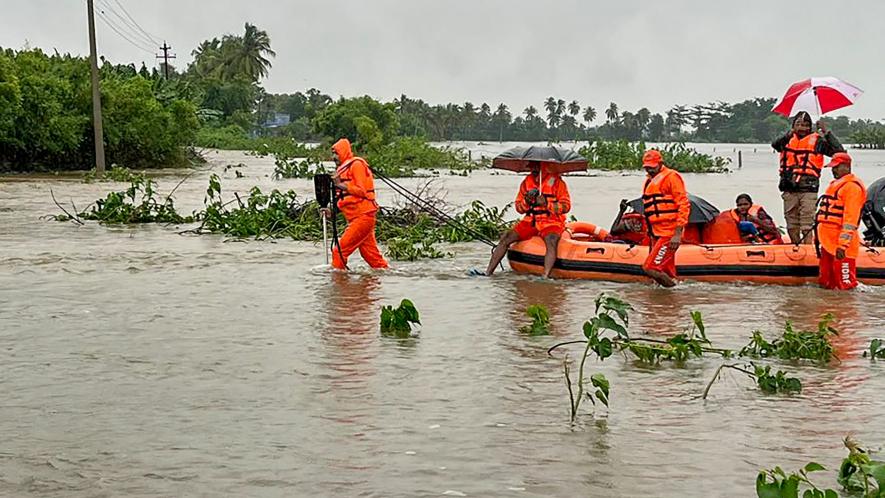
The intensity of the flooding poses a formidable challenge to rescue operations. Lack of advanced warning leaves residents frustrated, demanding more proactive measures. Interviews reveal the difficulties faced by rescue teams, emphasizing the need for enhanced preparedness and infrastructure development.
The delay in rescue efforts prompts scrutiny. Narrow and waterlogged areas impede traditional rescue methods, leaving residents frustrated and demanding more proactive measures. Interviews with officials reveal the difficulties faced by rescue teams, emphasizing the need for enhanced preparedness and infrastructure development.
Chief Minister Stalin leads the charge, acknowledging the unprecedented nature of the rainfall in Tamil Nadu’s history. A memorandum submitted to the Prime Minister underscores the gravity of the situation. While relief measures are underway, questions arise about the infrastructure’s efficacy and the region’s overall readiness for such extreme weather events.
The recent calamity raises pertinent questions about the region’s infrastructure. Chennai’s stormwater drain, constructed at considerable expense, proves ineffective against the deluge. The government, recognizing the need for improved drainage systems and disaster preparedness, faces the challenge of fortifying the region against future climatic adversities.
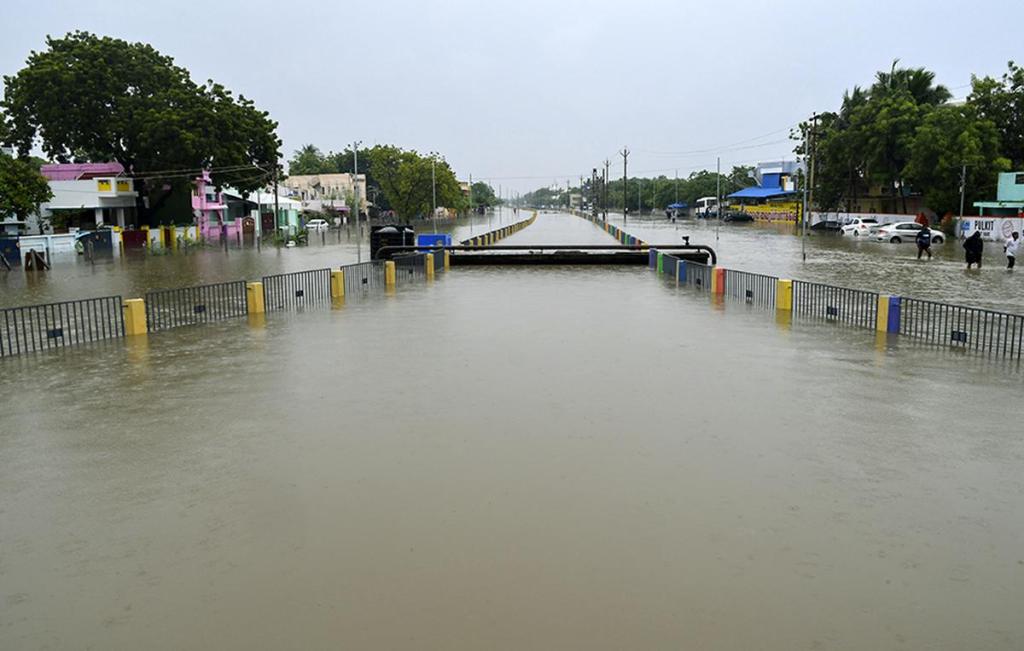
The devastating rains in Tamil Nadu serve as a poignant example of nature’s retaliation against climate disrespect. Climate change, exacerbated by human activities, demands urgent attention. Governments worldwide must prioritize preventive measures, invest in resilient infrastructure, and foster a climate-conscious ethos. As Tirunelveli and Thoothukudi grapple with unprecedented rainfall, the aftermath becomes a testament to the symbiotic relationship between humanity and nature. The devastating impact reinforces the urgency for global cooperation in mitigating climate change and adapting to the new normal of extreme weather events. The question remains: Will humanity heed nature’s warnings and act in harmony with the environment, or will the cycle of disrespect and retribution persist? The choice rests in our hands.
Visit arjasrikanth.in for more insights
 SOCIAL PERSPECTIVES