“From Ny Aalesund to the North Pole: India’s Strategic Leap into Arctic Exploration”
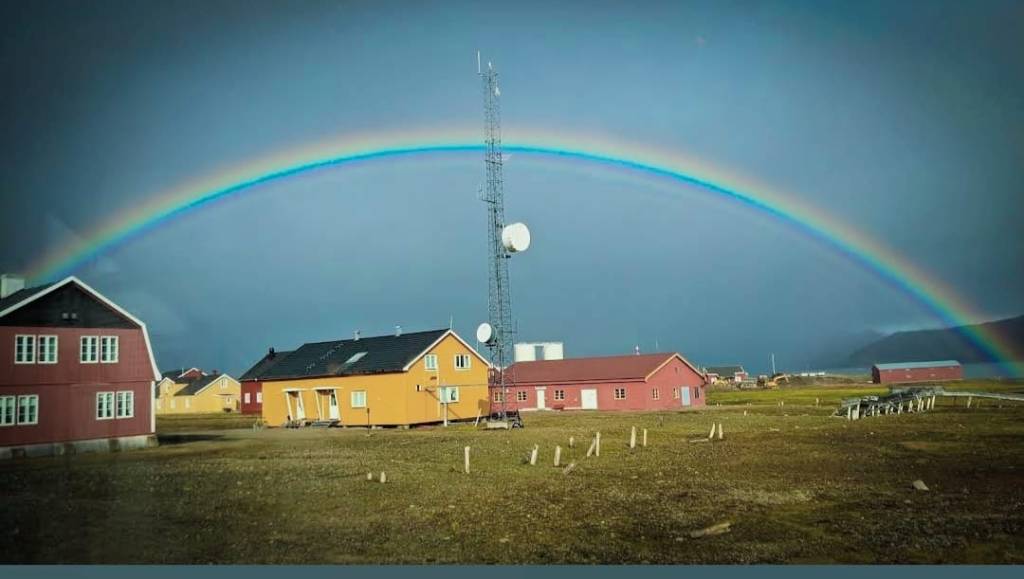
In a historic leap into the Arctic realm, India has transcended seasonal limitations to establish a year-round operational hub at the Ny Aalesund-based Himadri research station. This transformation marks a pioneering endeavour into the mysteries of climate change, environmental dynamics, and strategic interests. Positioned strategically at Ny Aalesund, Spitsbergen Island, Norway, Himadri is not just a research station; it’s a testament to India’s growing influence in the Arctic. This article unfolds the narrative of India’s Arctic odyssey, exploring the significance, research goals, strategic interests, and the recent addition of the Arctic observatory, IndARC.
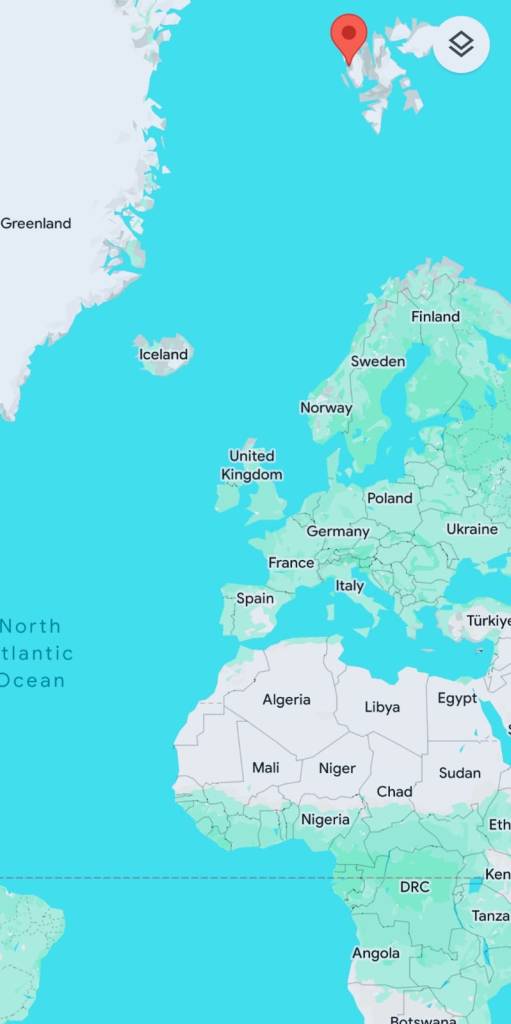
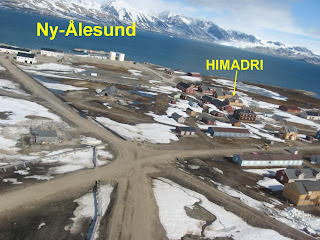
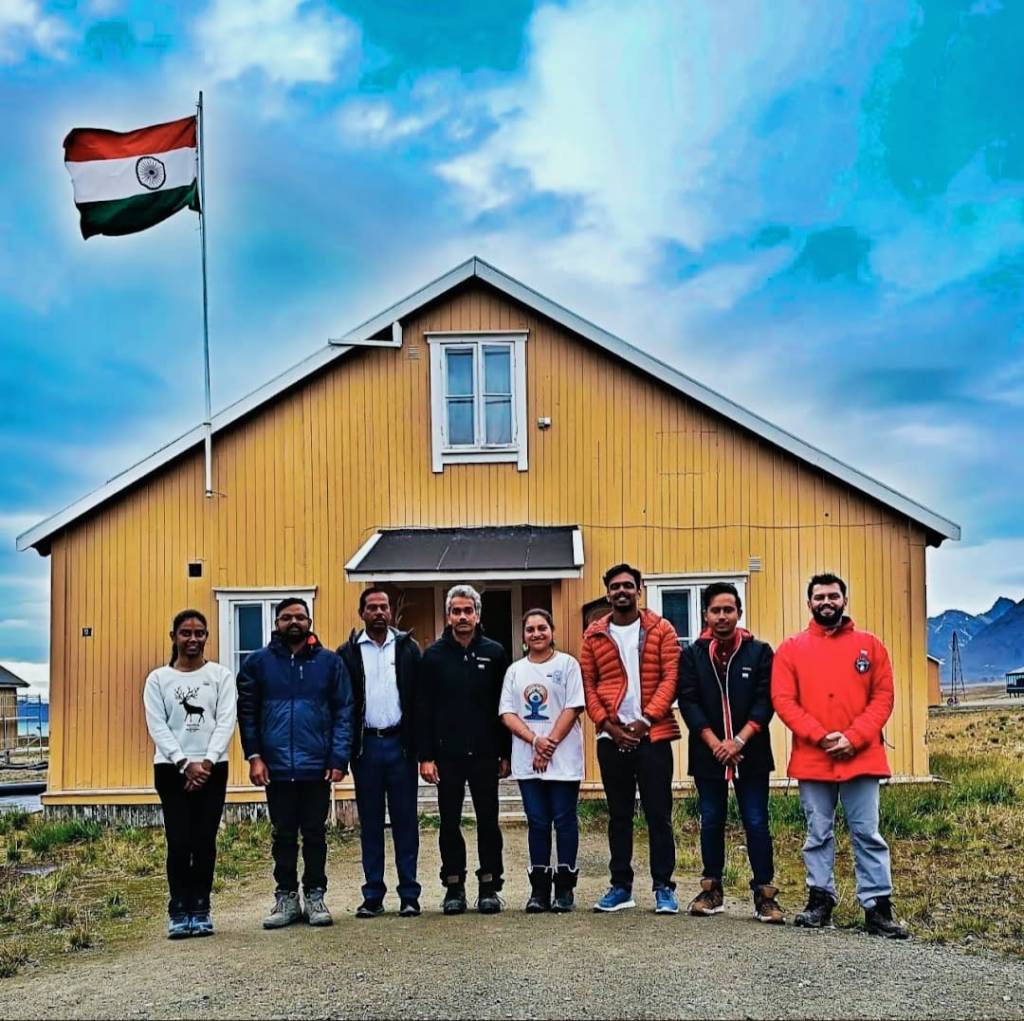
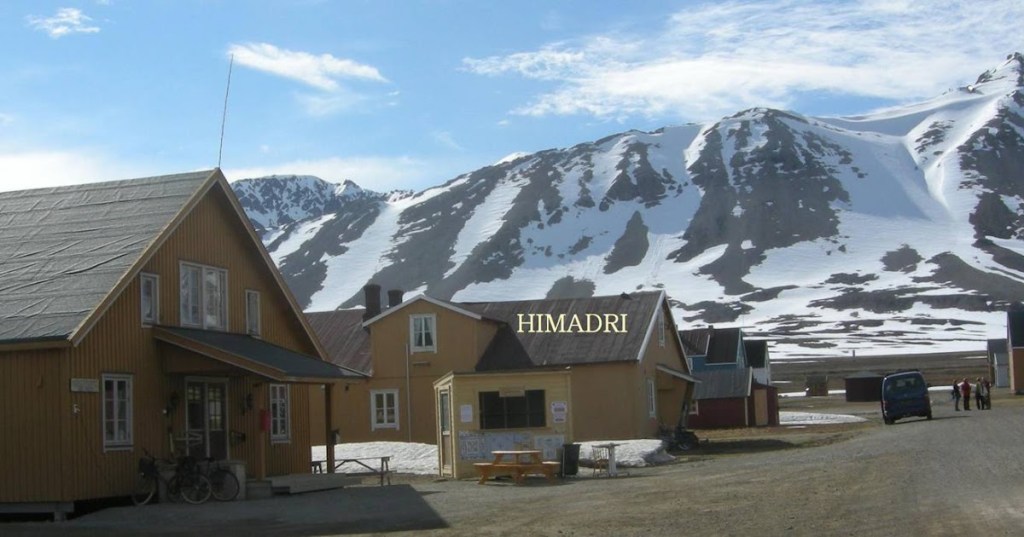
Himadri, India’s first permanent Arctic research station, stands proudly in Ny Aalesund, Svalbard, Norway, at the International Arctic Research base, Ny-Ålesund. Inaugurated on July 1, 2008, by the Minister of Earth Sciences, it has transitioned from a seasonal outpost to a year-round research hub, approximately 1,200 kilometres from the North Pole.
Beyond monitoring fjord dynamics and atmospheric conditions, Himadri serves as a multidisciplinary research hub. From aerosol radiation to microbial communities, its research goals encompass a spectrum of scientific investigations. The station hosted 25 scientists under ten projects during the 2012–2013 operational period.
The strategic establishment of Himadri aligns with India’s broader interests, including the estimated 22% of the world’s oil and natural gas beneath the Arctic. ONGC Videsh’s interest in joint ventures with Russia for oil exploration and India’s observer status at the Arctic Council highlight the nation’s significant role in shaping Arctic policies.
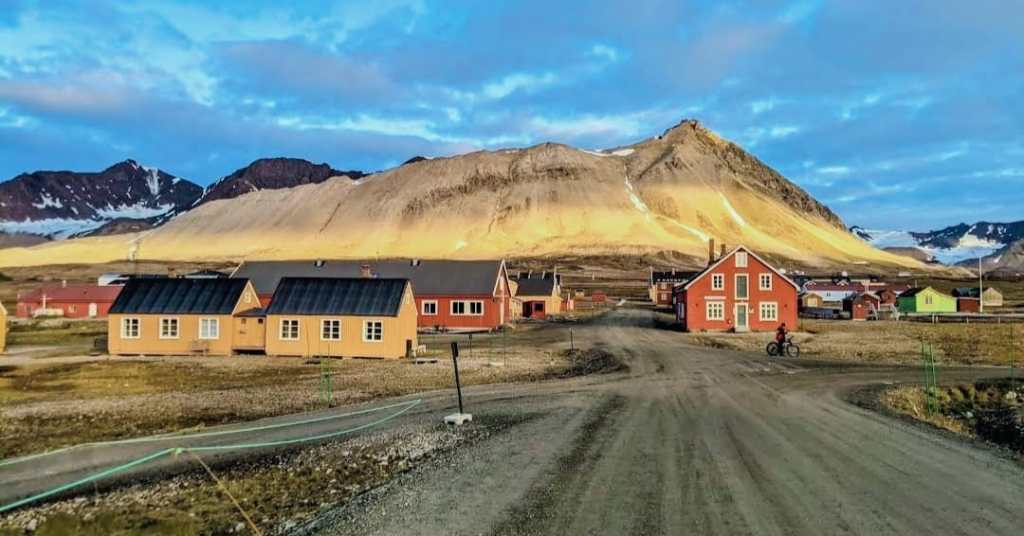
Himadri operates from a refurbished two-floored building, covering 220 m2, equipped with essential facilities. Rifle training for the crew underscores the challenges posed by polar bears, emphasizing the harsh realities of operating in this extreme environment.
India’s commitment to year-round Arctic research is further manifested through the establishment of the IndARC observatory in August 2014. Developed by scientists from NCPOR and NIOT, IndARC, located in the Kongsfjorden fjord, operates for one year. This observatory is a pivotal addition to India’s Arctic expedition, studying genetics, glaciology, geology, and the impact of global warming.
Himadri’s operational expansion into the winter months signifies a triumph over extreme conditions, limited space, and geopolitical constraints. India has successfully navigated challenges, contributing to global understanding of climate change and its repercussions.
India’s foray into the Arctic extends beyond the immediate future. Plans include extensive research on genetics, glaciology, geology, and the broader impact of climate change. As a select group of nations conducting year-round research in the Arctic, India positions itself at the forefront of global scientific endeavours.
In conclusion, India’s Arctic odyssey is more than a scientific exploration; it’s a strategic leap into a critical frontier. The journey from Ny Aalesund to the North Pole is symbolic of India’s commitment to unravelling the mysteries of the Arctic. Himadri, now a year-round operational hub, and the addition of IndARC underscore India’s growing role in shaping Arctic narratives. As the nation continues its frozen frontier exploration, the legacy of Himadri becomes a beacon illuminating India’s unwavering resolve in the pursuit of knowledge in the world’s most enigmatic and vital region. The Arctic awaits, and India stands ready to script its chapter in the ongoing saga of Arctic exploration.
visit arjasrikanth.in for more insights
 SOCIAL PERSPECTIVES