Period Leaves: Bridging the Gap Between Biological Reality and Workplace Equality”*
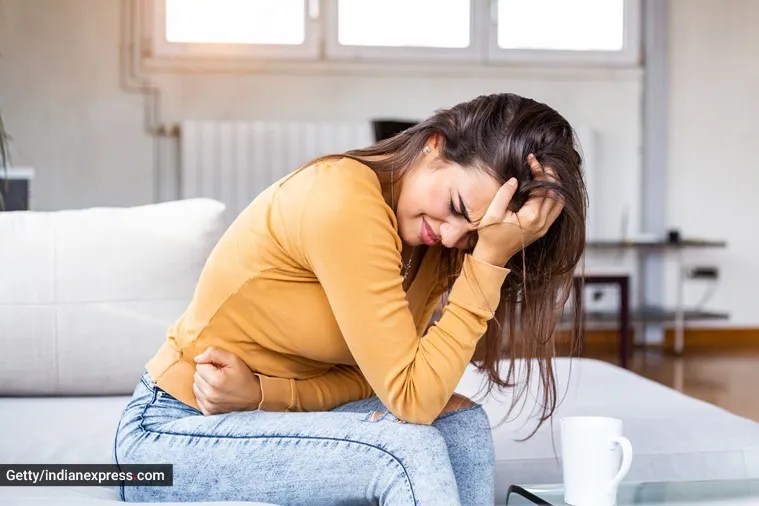
In the wake of a recent controversy surrounding Union women and child development Minister Smriti Irani’s stance on menstrual leave, the discourse around menstruation and workplace policies has taken centre stage. This article delves into the complexities of menstrual leave, the health challenges faced by menstruating individuals, existing policies, and the ongoing debate surrounding its implementation. From medical perspectives to corporate concerns, we explore whether menstrual leave is a step towards gender equality or a potential workplace dilemma.
The controversy began when Minister stated that menstruation is a natural part of a woman’s life journey, dismissing the need for specific period leaves. However, the biological reality of menstruation varies widely among women. While some experience mild discomfort, others face severe pain, hormonal shifts, and conditions like endometriosis, demanding a nuanced approach to workplace policies.
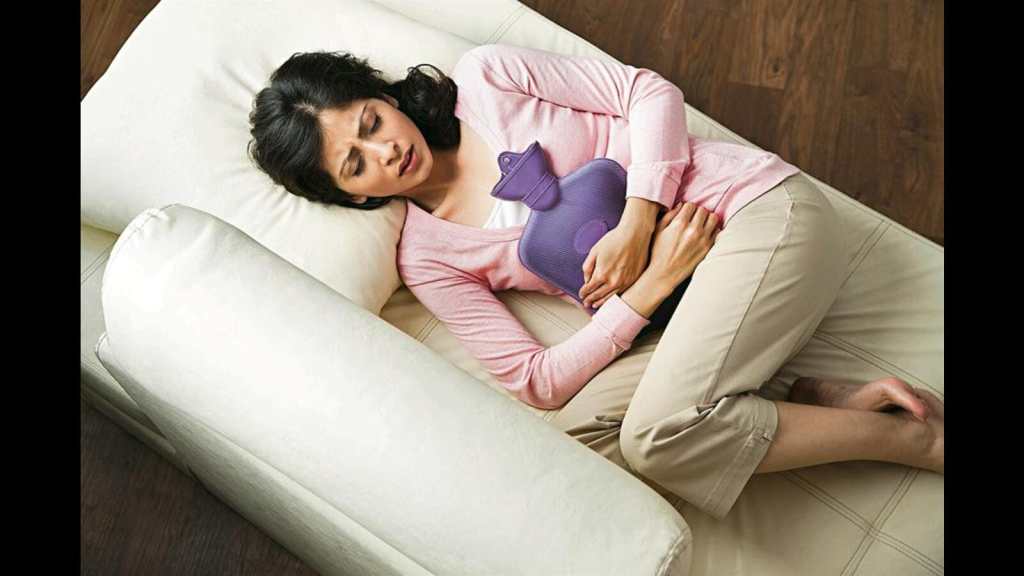
Endometriosis, a condition where uterine tissue is found outside the uterus, can lead to excruciating pain and complications. Other issues such as Dysphoric Disorder, PCOS (Polycystic ovary syndrome) , and heavy bleeding can significantly impact a woman’s ability to work during menstruation. Acknowledging these challenges is crucial in understanding the necessity of menstrual leave for some women.
While the government has not explicitly endorsed menstrual leave, a progressive draft policy released by the health ministry emphasizes inclusive workplace environments. This draft suggests flexible work arrangements, acknowledging the diverse needs of individuals, including those who menstruate, identify as women, or are non-binary. However, the absence of specific period leave provisions raises questions about the government’s stance on this matter.
One of the primary fears surrounding period leave is its potential misuse or discrimination against women in the workforce. The corporate culture’s emphasis on productivity, key performance indicators, and measurable outcomes creates apprehension among some that taking additional leaves, including period leaves, might negatively impact career growth.
The demand for menstrual leave is not unique to India; it’s a global conversation. Countries like Japan, South Korea, and Taiwan have recognized the need for specific menstrual leave policies. Closer to home, some Indian states, like Bihar and Kerala, have implemented menstrual leave policies. Major companies such as Zomato, Swiggy, and Byjus have also introduced period leave benefits for their employees.

The fear of misuse is a common concern whenever new policies are introduced. Advocates argue that a well-structured policy, integrated into the overall leave framework, can prevent abuse. The focus should be on creating an inclusive and supportive environment that recognizes the biological diversity of its workforce.
While the Supreme Court recently declined to entertain a PIL on menstrual leave, labelling it a policy matter, the conversation is far from over. Legal dimensions need to be explored to ensure that the rights and needs of menstruating individuals are adequately protected without compromising workplace dynamics.

Navigating the complexities of menstrual leave demands a balanced approach that considers both biological realities and workplace dynamics. The global trend towards recognizing menstrual leave as a legitimate need signals a shift in societal attitudes. However, addressing concerns about misuse and discrimination is equally critical. The implementation of period leave can be a potent tool for fostering workplace equality if thoughtfully executed, acknowledging the diverse experiences of menstruating individuals. As the dialogue unfolds, fostering an environment where biological needs are met without compromising professional growth becomes pivotal, contributing to a more inclusive and empathetic workplace culture.
visit arjasrikanth.in for more insights
 SOCIAL PERSPECTIVES