“Entrepreneurial Spirit: The Decade-Long Underground Toll Collection Venture”
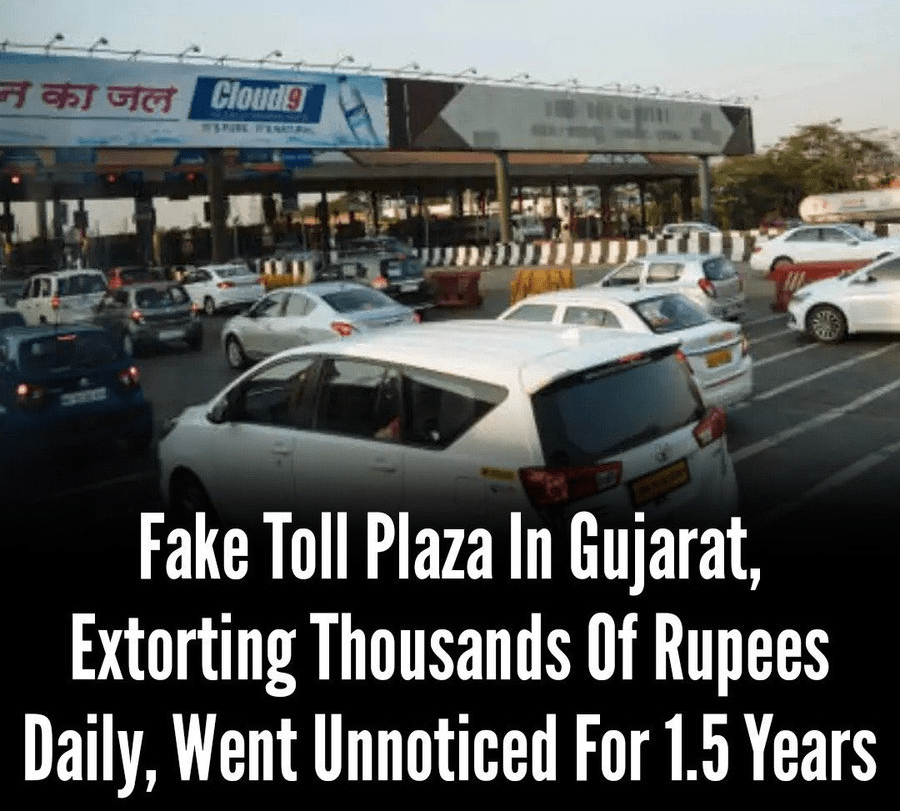
Gujarat, a state steeped in vibrant culture and industrial dynamism, has found itself entangled in a web of audacious deception. Emerging from the shadows of fake government offices, a new saga unfolds—a clandestine operation involving a fake toll plaza. This elaborate scheme, operating for over a year, has reportedly amassed over ₹75 crore, casting a shadow over the efficacy of toll collection mechanisms and raising questions about the resilience of deceptive ventures. As we traverse the winding roads of Gujarat’s highways, we unravel the intricate web of the fake toll plaza and delve into the entrepreneurial spirit that fuelled a decade-long underground toll collection venture in a village along National Highway 8A.
In the heart of Gujarat’s Morbi district, a fake toll plaza emerges on the bustling Bamanbore-Kutch National Highway. The masterminds behind this audacious operation strategically set up their booth within the confines of a closed ceramic factory named ‘White House.’ Operating covertly for over a year, the fake plaza bypasses the genuine toll booth, charging commuters significantly lower amounts than the official toll tax. The allure of paying as low as ₹20 to ₹200, compared to the actual toll tax ranging from ₹110 to ₹595, entices unsuspecting commuters to take the detour.
The success of the fake toll plaza lies in its ability to divert traffic through a closed ceramic factory and a detour around the Vaghasiya toll plaza. This section unravels the strategic maneuvers employed by the perpetrators to avoid detection, creating a parallel road and charging far less than the official toll booth.
Media reports finally expose the full extent of the fake toll plaza’s operation. Swift police action follows, lodging a complaint against the ceramic factory owner and his accomplices. The reluctance of the official toll plaza operator to file a complaint adds complexity to the situation, emphasizing the challenges authorities face in combating such deceptive ventures.
The continued deception takes a toll on both government officials and unsuspecting commuters. The allure of paying only half the toll tax tempts many to choose the alternative route, perpetuating the illegal toll collection. The incident in Gujarat serves as a stark reminder of the vulnerabilities in our toll collection mechanisms, demanding a re-evaluation of security measures, the role of technology, and the collaboration between authorities and toll operators.
Shifting our focus, we venture into the seemingly ordinary village along National Highway 8A, where a decade-long entrepreneurial venture has thrived—a clandestine toll collection system. In 2010, when the NHAI established an official toll plaza, villagers found a way to bypass tolls by using a dirt road next to the highway. An enterprising few from the village saw an opportunity to increase their prosperity by stopping vehicles on this dirt road, charging ₹50 for trucks and ₹10 for cars.
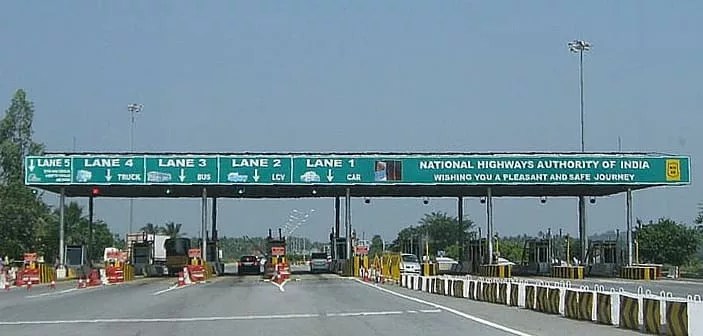
Investigations reveal that the unofficial toll amounts were significantly higher, ranging from ₹110 to ₹720, depending on the size of the vehicle. The toll collectors claimed that the funds were directed towards building temples in the village. Villagers proudly showcased newly built temples and a cricket ground allegedly funded by the toll collection, adding a layer of complexity to the story.
Remarkably, this illicit toll collection persisted for nearly a decade. In December of the previous year, a new player entered the scene—a toll plaza situated inside the White House Tiles ceramic tile factory. The village’s decade-long operation finally unravels, revealing the adaptability and resilience of this community-driven venture.
As we draw the curtains on these two sagas, Gujarat’s national highways resonate with tales of audacity, resilience, and the complexities of community-driven initiatives. The fake toll plaza stands as a cautionary tale, prompting a re-evaluation of toll collection mechanisms and the need for enhanced vigilance. Simultaneously, the decade-long underground toll collection venture sheds light on the adaptive nature of community economies, emphasizing the importance of balanced regulations.
Gujarat’s highway hijinks transcend the boundaries of a localized incident; they serve as a wakeup call for the nation to fortify its infrastructure against deceptive ventures. The entrepreneurial spirit, whether manifested in deceptive toll operations or legitimate community-driven ventures, reflects the resilience and innovation embedded in the societal fabric. The roadmap for a secure and resilient future in toll collection and community-driven initiatives lies in a comprehensive strategy that combines technological vigilance, collaborative governance, strengthened regulatory frameworks, public awareness campaigns, and adaptive policies. As Gujarat’s highways continue to be the canvas for these narratives, the nation must learn, adapt, and evolve to foster an environment where the entrepreneurial spirit flourishes within the bounds of legality, contributing to the collective growth and well-being of society.
visit arjasrikanth.in for more insights
 SOCIAL PERSPECTIVES