“Decoding Global Climate Commitments: From Loss and Damage to Renewable Resilience”

Amidst the soaring temperatures of 2023, the 28th global climate conference in Dubai unfolded as a crucial battleground for world leaders, climate activists, and policymakers. This article aims to dissect the pivotal decisions and global commitments made at COP28, reflecting on the urgency presented by the hottest year on record and the imperative need for concrete actions against rapid climate change. The article emphasizes the critical reality: the world is lagging in its efforts to combat the escalating climate crisis. The urgency to act is accentuated by the record-breaking temperatures of 2023, urging leaders to take decisive and immediate measures.
A year after its formal inception in Egypt, the Loss and Damage Fund finally saw capitalization at COP28, totalling an encouraging $800 million in commitments. The article explores the significance of this decision in fortifying global resilience against extreme weather events and addressing the aftermath of climate-induced disasters.
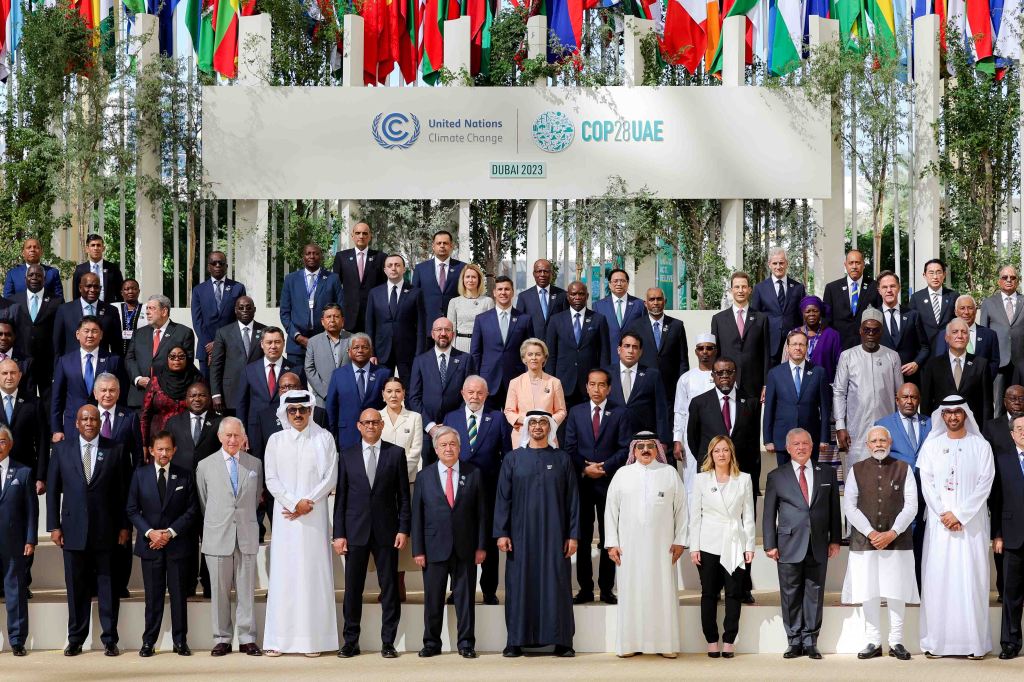
The mandated Global Stocktake (GST), occurring every five years, took center stage at COP28. Serving as a review mechanism, the outcomes of GST set the trajectory for future climate actions. The article dissects the decisions flowing from this exercise and their implications for the global fight against climate change.
For the first time, COP28 confronted the necessity of transitioning away from fossil fuels. A contentious debate that led to a prolonged deadlock ultimately resulted in a compromise. The article scrutinizes the symbolism and challenges surrounding this landmark decision, marking a seismic shift in international climate negotiations.
India’s position on coal phase-down comes under scrutiny, delving into the nuances of the country’s dependence on coal for electricity production. The COP28 document’s emphasis on symbolic gestures rather than immediate phase-out commitments is explored, emphasizing the need for clarity and defined timelines in international climate negotiations.
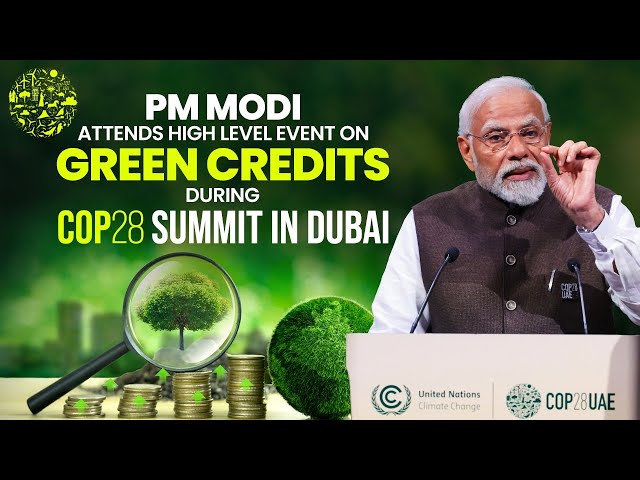
Central to COP28 was the global commitment to triple renewable energy capacity to around 11,000 GW by 2030. The article examines the implications of this ambitious target, highlighting its potential to reduce dependence on fossil fuels and curb carbon emissions. The interconnected goal of doubling energy efficiency rates is also explored as a crucial aspect of comprehensive climate action.
As the curtain falls on COP28 in Dubai, the decisions made reverberate globally, shaping the trajectory of climate action. From addressing loss and damage to navigating controversies around fossil fuels, these decisions hold far-reaching implications. The commitment to renewable energy and increased energy efficiency provides a beacon of hope amid the climate crisis. The international community must now translate these commitments into concrete actions to secure a sustainable future for our planet. As we navigate this climate odyssey, the choices made today will determine the course of our collective tomorrow.
visit arjasrikanth.in for more insights
 SOCIAL PERSPECTIVES