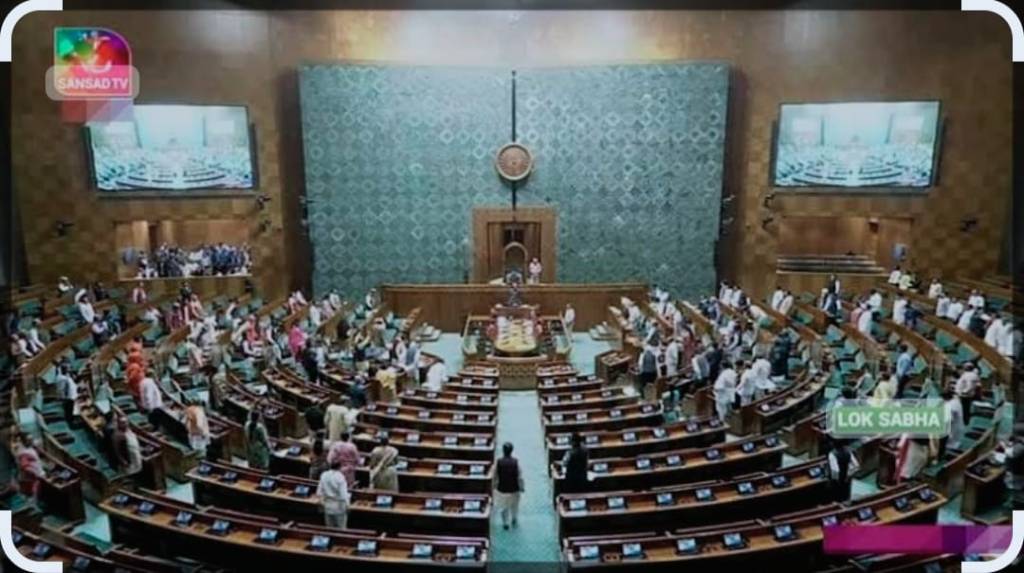
In a seismic shift within the Indian political landscape, the suspension of a record-breaking 78 Opposition Members of Parliament (MPs) has triggered a contentious debate on the essence of democracy and dissent in the Indian parliamentary system. This extraordinary measure, a response to disruptions and protests demanding accountability following a security breach in Parliament, has ignited discussions on the far-reaching implications of such a drastic action.
The suspension of 79 opposition lawmakers, following a similar action against 14 MPs the previous week, has thrust the Indian Parliament into uncharted territory. This brings the total number of suspensions to a staggering 93 in a single session – a historic high that signals a stern response to what is perceived as increasing unruly conduct within the legislative body.
The trigger for this extraordinary measure was the security breach in the new parliament complex on December 13. A man breached security, entered the lower house, shouted slogans, and set off a smoke canister. In response, opposition lawmakers demanded a government statement and a thorough discussion on the security lapse. The discord between the ruling Bharatiya Janata Party (BJP) and the opposition has escalated, leading to a sharp increase in the number of suspensions.
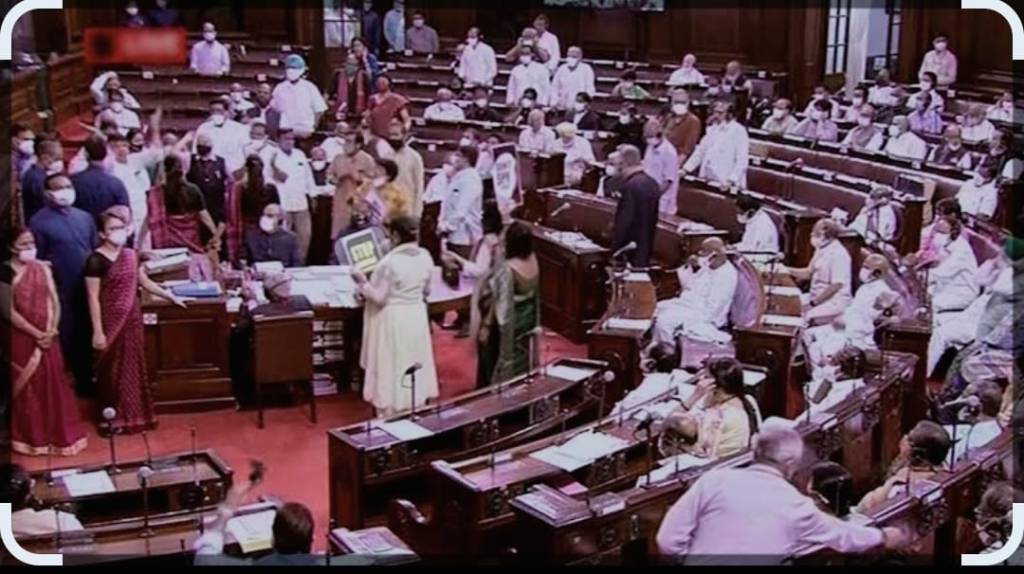
The analysis by political leaders and presiding officers points to four main causes of disruptions: MPs lacking sufficient time to raise crucial issues; Unresponsiveness from the government and retaliatory postures from the Treasury benches; Deliberate disturbance for political or publicity reasons ; Failure to take immediate action against MPs who interrupt proceedings.
The general principle is that the Speaker of Lok Sabha and Chairman of Rajya Sabha bear the responsibility of maintaining order. Rules of Procedure and Conduct empower them to force a member to withdraw or suspend a member for disorderly conduct. The maximum period of suspension is for the remainder of the session. Suspended members lose various privileges, including the right to enter the chamber, attend committee meetings, give notice for discussions, and receive replies to questions. While Article 122 of the Constitution prohibits questioning parliamentary proceedings in court, there have been instances of judicial interventions, challenging procedural aspects of legislative functioning.
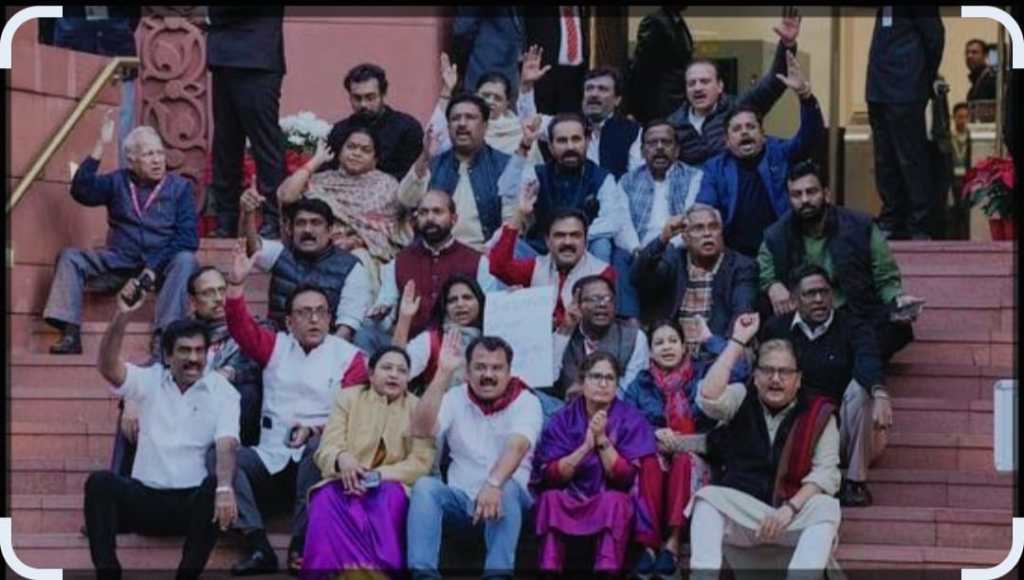
The sweeping suspension of 78 MPs in a single day has sparked strong reactions from the opposition. The Congress party has likened Prime Minister Narendra Modi and Home Minister Amit Shah to modern-day dictators, drawing parallels with Hitler. Opposition leaders are deliberating a complete boycott of Parliament, underscoring their assertion that democracy itself is under suspension.
As the winter session progresses, the suspension count rises. A total of 45 MPs have been suspended from the Rajya Sabha, and 33 opposition members, including prominent figures from Congress, DMK, and TMC, face suspension from the Lok Sabha. The duration of suspensions varies, with some members facing suspension for the entire winter session.
The ongoing showdown raises fundamental questions about the functioning of the Indian Parliament. Striking a balance between addressing planned disruptions and allowing legitimate concerns to be raised is crucial. The need for a constructive role by opposition members is emphasized, advocating for a platform where views can be expressed in a dignified manner.
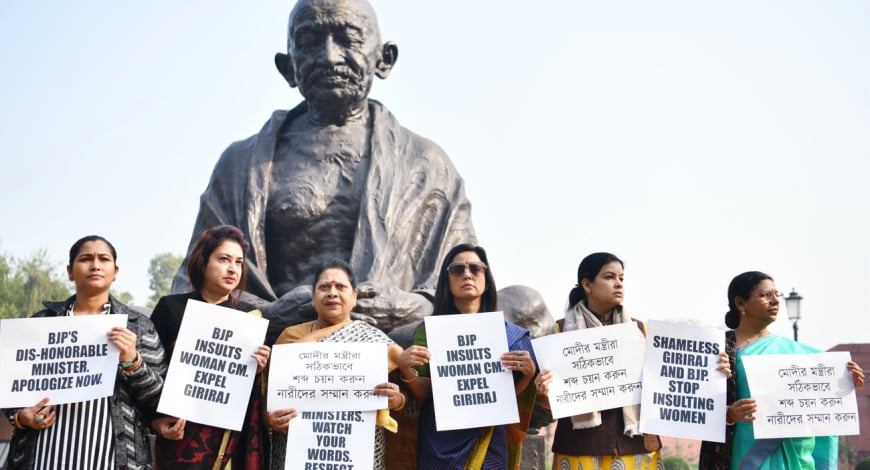
As the suspension saga unfolds, India’s parliamentary system finds itself in uncharted waters. The clash between the government and the opposition, the historic number of suspensions, and the debate over the suspension’s impact on democracy underscore the need for a nuanced and balanced approach. The coming days will likely witness intensified political discourse, with both sides seeking to assert their positions in this high-stakes confrontation. The story of parliamentary suspensions in the winter session of 2023 is far from over, and its ramifications will reverberate in the annals of Indian political history.
visit arjasrikanth.in for more insights
 SOCIAL PERSPECTIVES