“From Sugar to Fuel: The Twists and Turns of India’s Ethanol Production Journey”
In the intricate dance between industry growth and government policies, the recent decision by the Indian government on ethanol production has brought the spotlight back on a crucial aspect of the nation’s economic landscape. Ethanol, a type of alcohol with the potential to be mixed with petrol, has been both a boon and a challenge for India’s sugar industry. As the article delves into the complexities surrounding this issue, it uncover the tale of a strategic government policy that cannot be stopped abruptly without repercussions for both the industry and farmers.
To comprehend the recent developments, it’s essential to understand the basics of ethanol production. Harish Samudra, the Indian national rural affairs and agricultural editor, sheds light on the process. Ethanol, a product of sugar fermentation, is derived from a sugar by-product known as Cane sugar molasses. This molasses is obtained through a meticulous process involving the extraction of sugar from sugarcane juice, followed by multiple stages of crystallization.
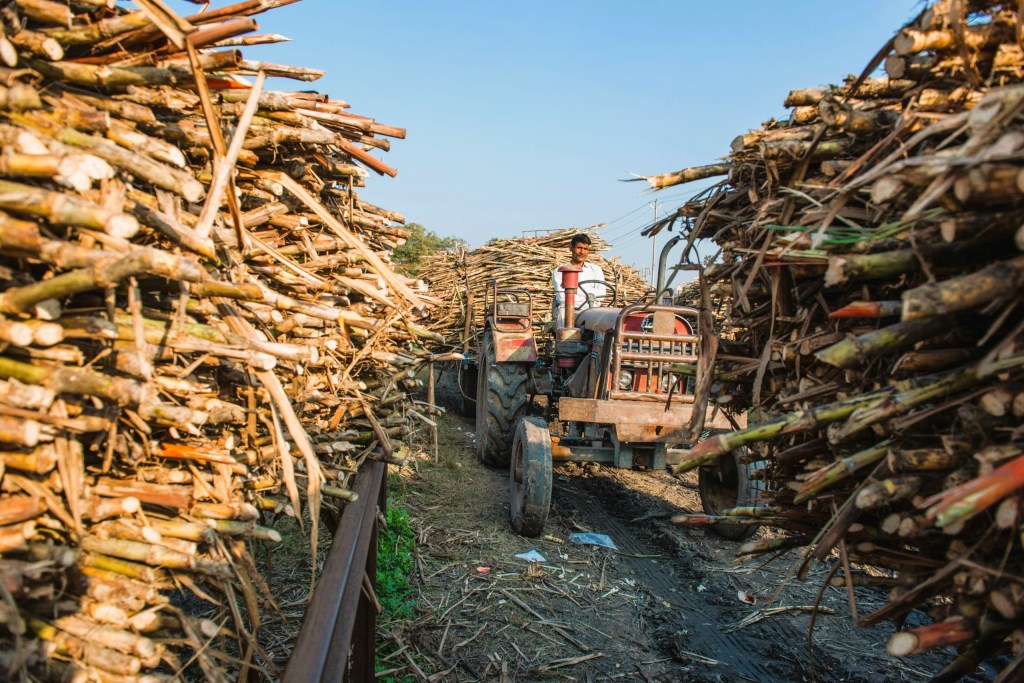
In a time when India faced an oversupply of sugar, the government decided to leverage molasses for ethanol production. The rationale was two-fold: to support sugarcane farmers by ensuring timely payments and to blend ethanol with petrol, a move aimed at reducing the dependence on imported fuel and improving combustion.
The government’s encouragement for ethanol production from molasses sparked a remarkable transformation in the sugar industry. Differential pricing was introduced, offering higher rates for ethanol produced from heavier molasses and straight from sugarcane juice. This incentive-driven approach proved successful, leading to a substantial increase in the blending of ethanol with petrol.
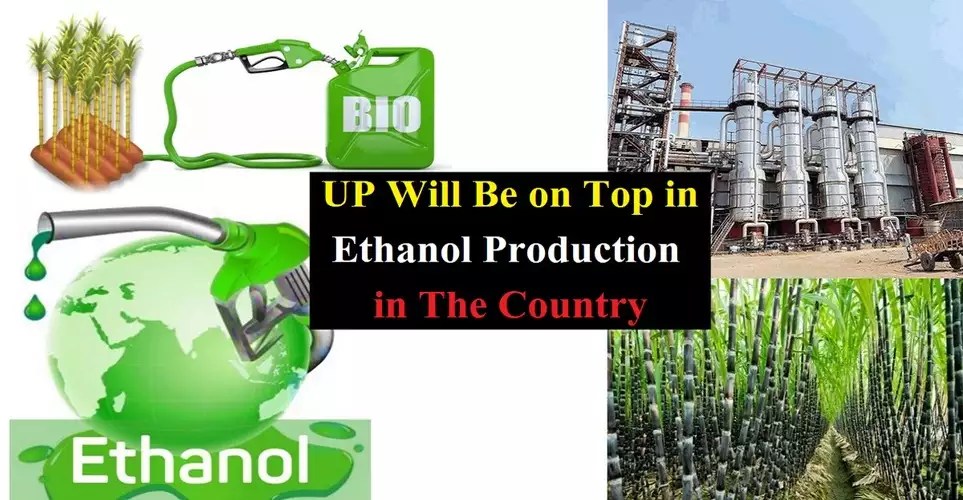
India achieved an impressive 11.8% blending rate, signaling a shift in the identity of sugar mills. Many companies, recognizing the potential of ethanol as an energy source, began rebranding themselves as bio-refineries and energy companies. The industry expanded, with some mills exclusively focusing on ethanol production rather than sugar.
However, the success story of ethanol production in India encountered a sudden obstacle on December 7th. The Ministry of Consumer Affairs, Food, and Public Distribution directed all mills to restrict the use of sugarcane juice or syrup for making ethanol. The directive, abrupt and unexpected, came as a response to the looming shortage of sugar and rice in the country.
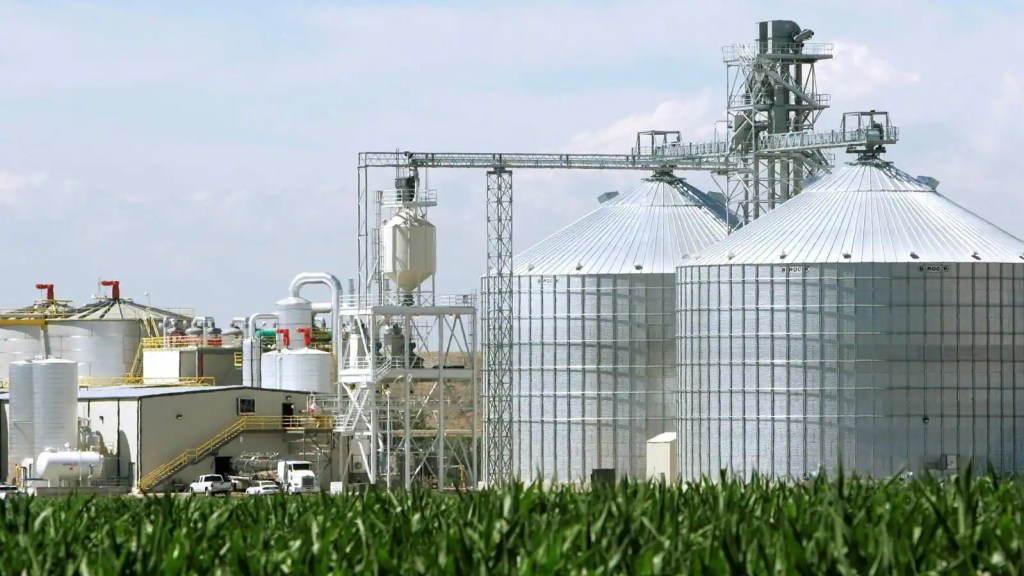
In July, the government ceased issuing rice from the Food Corporation of India (FCI) godown to sugar mills for ethanol production. Now, sugar mills face restrictions on producing ethanol directly from sugarcane juice or syrup. The sudden ban on sugar exports further tightened the grip on the industry.
The government’s decision to restrict ethanol production stems from the need to ensure an adequate domestic supply of sugar, particularly in the face of upcoming elections. With India having become the second-largest exporter of sugar, the government is wary of potential shortages and rising prices. The ban on sugar exports since May has already disrupted the market, and the recent restrictions on ethanol production aim to further secure the domestic sugar supply.
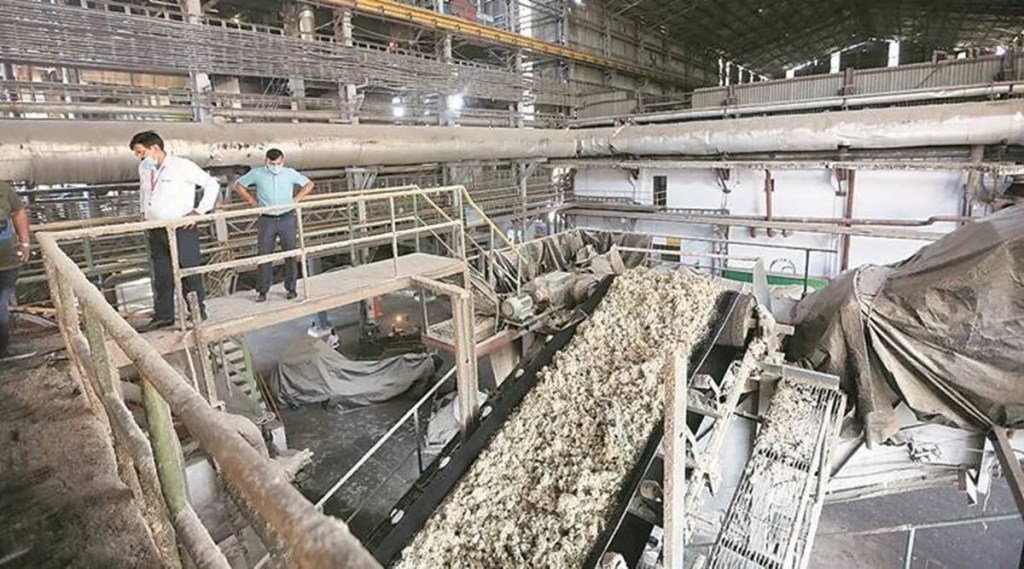
However, this move has left the industry in a precarious position. Sugar mills, which had embraced the government’s encouragement to shift focus towards ethanol, now find themselves grappling with sudden policy shifts. The delicate balance between government policy and industry growth is at stake.
As India stands at the crossroads of ethanol production, the path forward remains uncertain. The journey from sugar to fuel has been both transformative and challenging for the industry. While government policies play a crucial role in steering the nation’s economic course, abrupt decisions can send shockwaves through sectors like the sugar industry.
The ethanol production dilemma underscores the need for harmonious policymaking that considers the long-term implications on both industry and farmers. Striking a balance between addressing domestic concerns and supporting the growth of alternative energy sources is essential. As the nation navigates the complexities of its ethanol production landscape, the synergy between government policies and industry resilience will determine the trajectory of this vital sector in the years to come.
visit arjasrikanth.in for more insights
 SOCIAL PERSPECTIVES