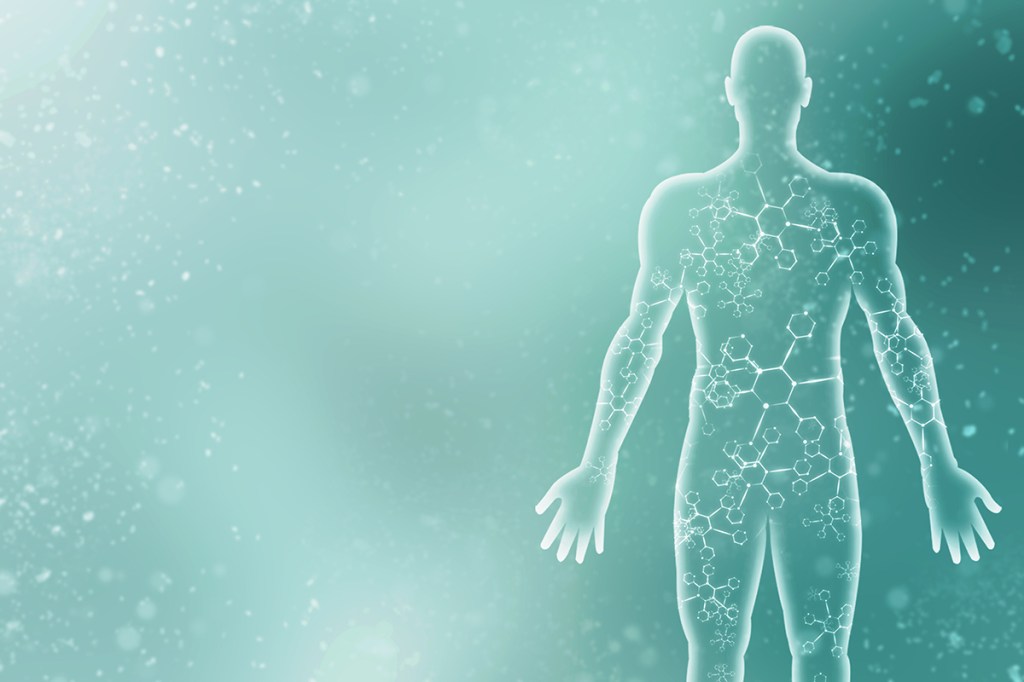
In the intricate tapestry of the human experience, our bodies hold secrets and surprises that often go unnoticed. From the rhythmic beating of the heart to the astonishing memory capacity of the brain, each aspect of our physiology is a testament to the marvels within. Join on a captivating exploration of the unbelievable facts about our bodies that will leave you in awe of the intricate machinery that keeps us alive and thriving.
Have you ever considered the significance of blinking? Every time you blink, your brain undergoes a tiny rest, akin to a quick recharge. This micro-pause aids in keeping your brain fresh and focused. It’s a remarkable aspect of our body’s self-maintenance that occurs effortlessly throughout the day, contributing to our cognitive vitality.
As people age, their bodies undergo chemical changes, and an intriguing phenomenon emerges—old person smell. The distinctive scent is a result of altered chemical production, creating a unique aroma often associated with aging. Unveiling the science behind this olfactory transformation adds a new layer to our understanding of the human aging process.
Your heart is a tireless worker, tirelessly pumping blood day and night. In a single day, it beats approximately 100,000 times, totalling over 35 million beats in a year. This astonishing feat underscores the vital role the heart plays in sustaining life, making it one of the most awe-inspiring organs in the human body.
Breathing is a constant and vital process, with an average person taking 20,000 to 22,000 breaths each day. Exploring the significance of this seemingly automatic function reveals its critical role in sustaining life. Understanding the intricacies of respiration adds depth to our appreciation for the symphony of life within us.
Our brains, often likened to powerful mini computers, boast a staggering memory capacity. Estimated to hold a massive 2.5 petabytes of data (equivalent to 2,500,000 gigabytes), the brain’s ability to store and process information is a testament to the complexity and sophistication of the human nervous system.
Love and romance involve a chemical mix within our bodies. Testosterone and oestrogen contribute to lust, while dopamine and norepinephrine fuel attraction. Oxytocin and vasopressin play a pivotal role in attachment. Understanding the chemical underpinnings of romance adds a fascinating layer to the intricate dance of emotions in human relationships.
Contrary to popular belief, Neanderthals had larger brains than modern humans. This intriguing fact hints at the complexity of the evolutionary path, suggesting that brain size might have been adapted to their unique environment and body size. Exploring our ancient relatives’ cerebral capacities sheds light on the fascinating journey of human evolution.
The additional skin on your elbow, humorously referred to as “weenies,” serves a functional purpose. This loose skin allows your elbow to move freely without restriction, showcasing the ingenious adaptations of the human body to enhance flexibility and mobility.
The scientific term for the skin covering your elbow is “elephant skin.” This protective layer shields the olecranon, the bony tip of the elbow, and plays a crucial role in temperature regulation. Understanding the purpose of this unique skin formation sheds light on the intricate ways our bodies maintain equilibrium.
Prolonged sun exposure triggers an overproduction of melanin, leading to dark spots on the skin—commonly referred to as sunspots. This natural defense mechanism helps protect the skin from harmful UV rays by producing more melanin. Exploring this adaptive response emphasizes the body’s remarkable ability to safeguard itself against environmental threats.
Eyelash mites, scientifically known as Demodex, reside in eyelash follicles and feed on dead skin cells. While generally harmless, these microscopic organisms are part of the intricate ecosystem of our skin. Unveiling the presence of these tiny inhabitants adds a microscopic dimension to the marvels of our bodies.
The skin on your eyelids is exceptionally thin, making it delicate and sensitive. This characteristic explains why eyelids can be easily irritated and injured. Understanding the fragility of the skin in this area emphasizes the need for gentle care and protection.
Our bodies exhibit remarkable adaptations to protect vital areas, with the thickest skin found on the palms and soles. This adaptation ensures durability and endurance, enabling us to walk and grip objects with resilience. Exploring the diverse thicknesses of our skin emphasizes the tailored nature of our physiological design.
Each eye has a tiny blind spot where the optic nerve passes through the optic disk. This natural blind spot arises as the optic nerve exits the eye, creating a small area in the visual field that doesn’t detect light. Understanding the intricacies of our vision reveals the fascinating mechanics behind the images our eyes perceive.

As we unravel the unbelievable facts about our bodies, the intricate symphony within us becomes even more extraordinary. From the quick recharge of blinking to the mesmerizing chemistry of love, each revelation adds layers to our appreciation for the marvels of the human body. Our journey through these astonishing facts invites a deeper connection with the incredible machinery that sustains life, reminding us of the awe-inspiring wonders within our own skin. May this exploration inspire continued fascination and reverence for the extraordinary miracle that is the human body.
visit arjasrikanth.in for insights
 SOCIAL PERSPECTIVES
One response to ““From Blinking to Blind Spots: Journeying Through the Astonishing Wonders of the Human Body””
Useful to everyone
LikeLike