Decoding the Fear: Understanding, Confronting, and Thriving Beyond FOMO
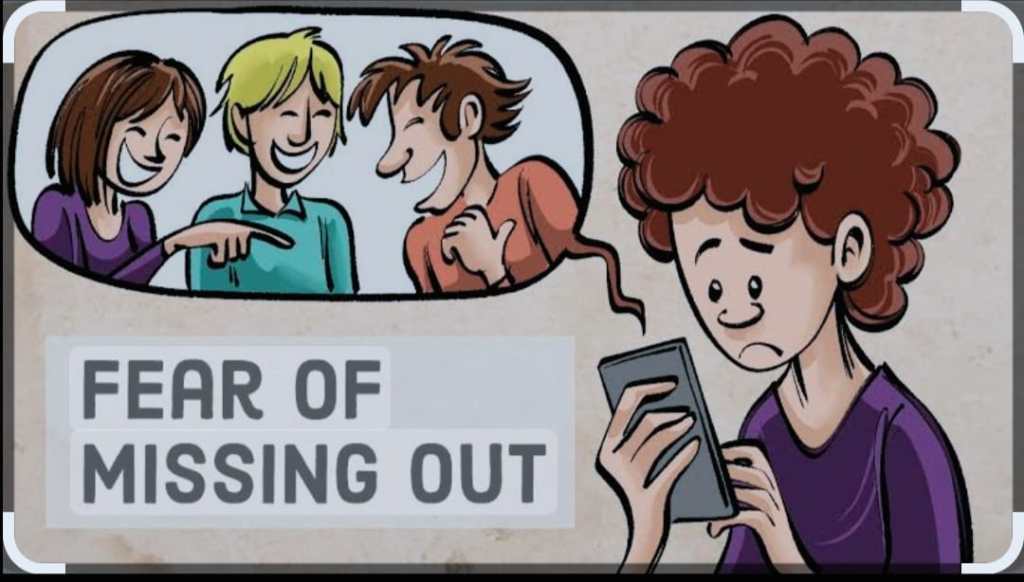
In the contemporary, fast-paced, interconnected world, the Fear of Missing Out (FOMO) has transformed from a catchy acronym into a profound psychological experience. This comprehensive exploration aims to unravel the roots of FOMO, delve into its connections with social anxiety, and illuminate the extensive impact it has on individuals’ lives. Join us on a journey through the intricate landscape of FOMO as we explore its psychological underpinnings and provide strategies to navigate this prevalent modern-day dilemma.
FOMO, or the Fear of Missing Out, extends beyond a transient emotion; it is a psychological phenomenon that induces anxiety and stress. The article delves into the core causes of FOMO, unraveling why individuals experience an overwhelming sense of exclusion and how this feeling impacts their mental well-being. By understanding the roots of FOMO, we lay the foundation for confronting and mitigating its effects.
A positive relationship exists between FOMO and social anxiety, creating a cycle of emotional turmoil. The exploration of this intricate dynamic sheds light on how heightened FOMO levels correlate with increased social anxiety. Understanding this relationship is essential for individuals seeking to break free from the grips of FOMO and alleviate the associated mental distress.

FOMO transcends mere concern; it is a problematic attachment to social media with consequences ranging from sleep disturbances to impulsive behaviors. The article uncovers the multifaceted effects of FOMO, illustrating how it manifests in behaviors such as overspending and overeating. By recognizing the broader impact of FOMO, individuals can work towards healthier coping mechanisms.
In the age of constant connectivity, social media serves as both the culprit and the antidote to FOMO. Navigating this complex relationship, we examine how social media usage contributes to the fear of missing out while simultaneously acting as a means to connect. Understanding this paradox is crucial for individuals striving to balance their online presence with meaningful real-life experiences.
A structural equation model reveals FOMO’s mediating role between social self-efficacy and life satisfaction. The exploration of how individuals’ perceptions of their social abilities influence overall life satisfaction provides insights into the intricate equation at play. Recognizing the role of FOMO in shaping life satisfaction is a key step towards fostering a healthier relationship with social situations.

Fear, particularly the fear associated with missing out, disrupts cognitive processes and decision-making. Dissecting how fear affects human behavior highlights the vulnerability of individuals to intense emotions and impulsive reactions. By understanding these consequences, individuals can develop strategies to mitigate the negative impact of FOMO on their decision-making processes.
Social comparison, intertwined with FOMO, perpetuates feelings of inadequacy when individuals measure themselves against peers. The exploration of this psychological cycle provides insights into how FOMO contributes to negative self-perception. Breaking this cycle is essential for individuals striving to cultivate a positive self-image and reduce the impact of FOMO on their mental well-being.
Teenagers, immersed in a culture of constant online presence, emerge as particularly vulnerable to FOMO. Investigating the reasons behind their susceptibility and understanding how social media contributes to negative self-image offers valuable insights. Addressing the vulnerability of teens is crucial for developing targeted interventions that promote a healthier relationship with social media and mitigate the long-term impacts on their mental well-being.
Recognizing the pervasive impact of FOMO, the article provides practical coping strategies. From mindfulness practices to self-compassion and acknowledging the choices individuals make, these strategies empower individuals to navigate the complexities of FOMO. By adopting these coping mechanisms, individuals can regain control over their mental well-being and develop resilience against the negative effects of FOMO.
In the intricate labyrinth of FOMO, understanding its roots, impact, and coping strategies becomes paramount. This article aims to decode the fear of missing out, providing insights into its psychological underpinnings and offering a roadmap for individuals to foster a healthier relationship with the digital age. As we unravel the complexities of FOMO, the path to a more balanced and fulfilling life becomes clearer, one mindful choice at a time.
visit arjasrikanth.in for more insights
 SOCIAL PERSPECTIVES