“Decoding Rahul Gandhi’s Political Journey: From Emotion to Strategy”
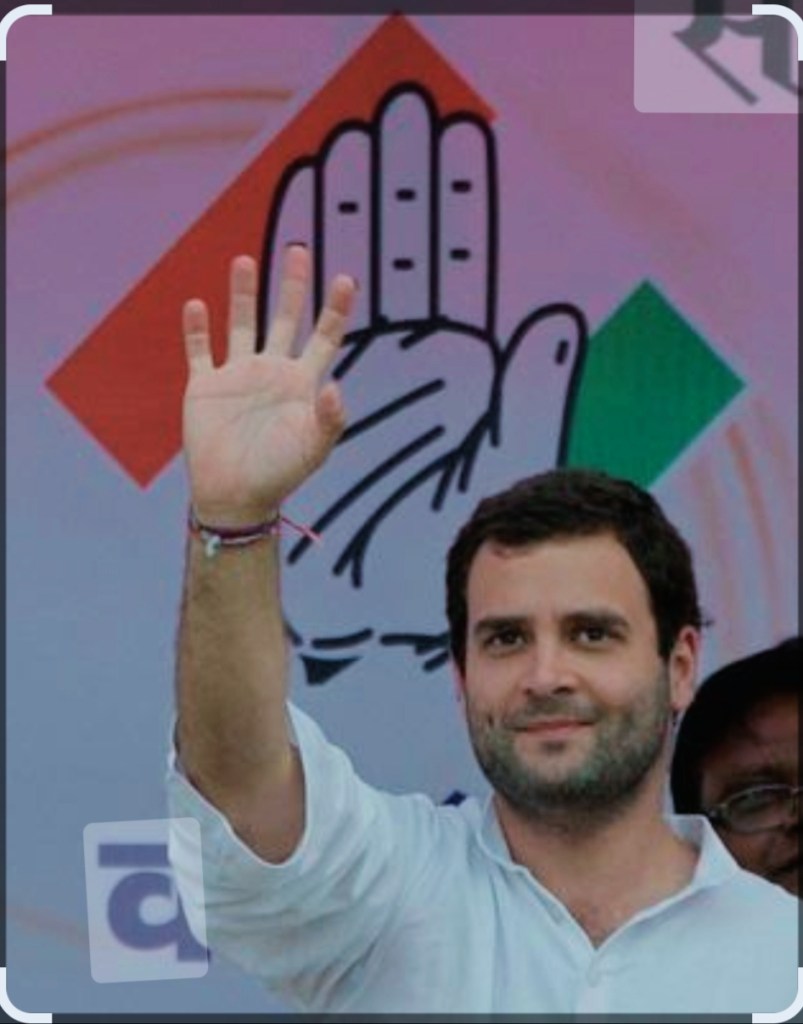
In the intricate web of Indian politics, Rahul Gandhi emerges as a key player, intricately linked to his family’s political legacy and the ever-evolving dynamics of the Congress party. This article embarks on an in-depth exploration of Rahul Gandhi’s multifaceted role within the Congress, drawing insightful comparisons with the BJP and unravelling the internal dilemmas that define his political journey.Rahul Gandhi’s political identity is often characterized by an emotional touch, resonating especially with the younger demographic. There is a delicate balance between empathy and the pressing demands of a swiftly transforming India.
As the torchbearer of the Nehru-Gandhi legacy, Rahul Gandhi faces the intricate task of preserving the party’s historical significance while steering it towards reinvention. Political analysts wonder, whether his mission is to protect the Nehru-Gandhi flame or lead the Congress into a new era of dynamic politics aligned with contemporary India.
Strategically positioned as the BJP’s electoral asset, Rahul Gandhi becomes a focal point of political discourse. Some believe that, beneath the political rhetoric, unravelling the BJP’s acknowledgment of the Congress’s pan-India recognition and the potential threat it poses if rejuvenated.
A critical analysis of Rahul Gandhi’s political narrative reveals a leaning towards restoration, attempting to recreate a perceived era of economic prosperity and social harmony. Critics argue for a more progressive approach that focuses on expanding social democratic ideals rather than idealizing the past.
Tracing back to the aftermath of Rajiv Gandhi’s tenure in 1984, India witnessed decline of the Congress party. Despite intermittent successes, the party grapples with maintaining dominance, facing challenges from regional parties that have carved their niche in the political landscape.
Rahul Gandhi’s endeavour to position the Congress as the ideological opposite of the BJP, especially the RSS, poses significant challenges. Instead of positioning Congress against BJP, the party is trying to pitch against RSS, its Ideology and leaders like Savarkar. BJP’s focus on cultural nationalism and the complexities of countering it, requiring a nuanced understanding of cultural dynamics which congress is underestimating. Rahul Gandhi is making unsuccessful attempts to counter Modi’s cultural narrative with a focus on economic arguments. However, bridging the gap between cultural and economic ideologies effectively remains a challenge, necessitating an appeal to India’s diverse and culturally rich populace.
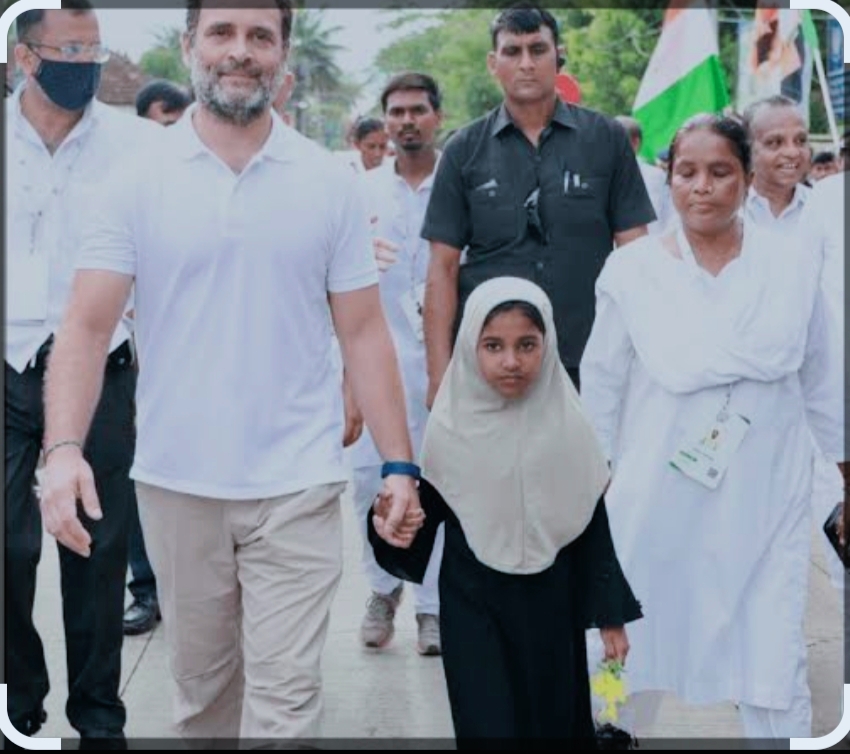
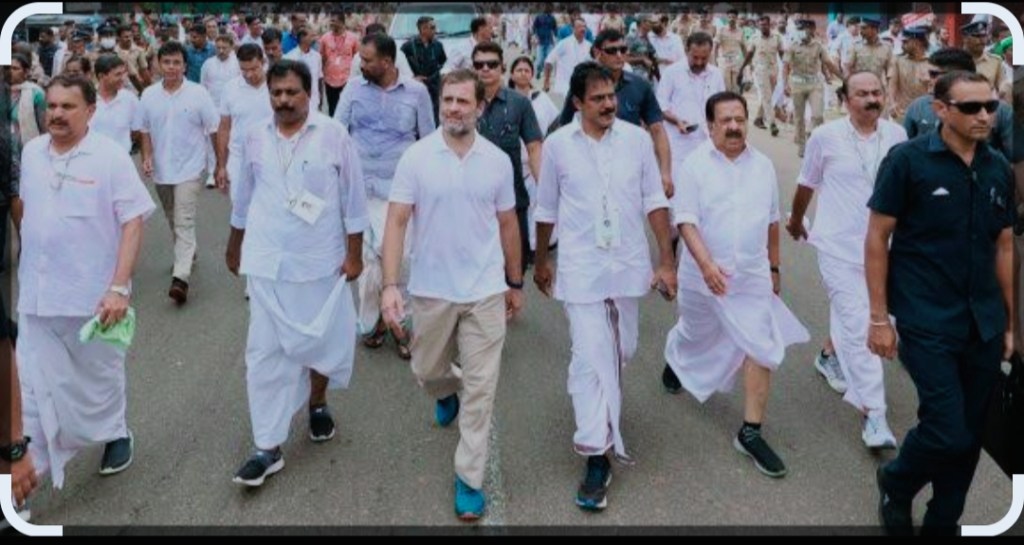
An in-depth analysis of Rahul Gandhi’s Bharat Jodo Yatra reveals a nuanced narrative. While the initial emphasis on uniting India and avoiding power-centric messaging was commendable, a shift towards personal trauma in later stages muddled the intended message. The Bharat Jodo yatra’s impact , Rahul Gandhi got connected with the people but shed light on both successes and pitfalls.
In the complex tapestry of Indian politics, Rahul Gandhi faces the formidable task of reshaping the Congress party. Balancing tradition and innovation, emotional appeal and strategic acumen, Rahul Gandhi’s journey is a dynamic narrative unfolding against the backdrop of India’s diverse political landscape. As the Congress seeks rejuvenation, the path forward necessitates a careful blend of tradition and transformation—a challenge Rahul Gandhi must navigate with sagacity and resilience. The quest to reshape the Congress is a journey through dilemmas and strategies, unfolding with every political nuance, debate, and election.
Visit arjasrikanth.in for more insights
 SOCIAL PERSPECTIVES