“From Hindi Heartland to Southern Strongholds – The Phenomenon Called Modi”
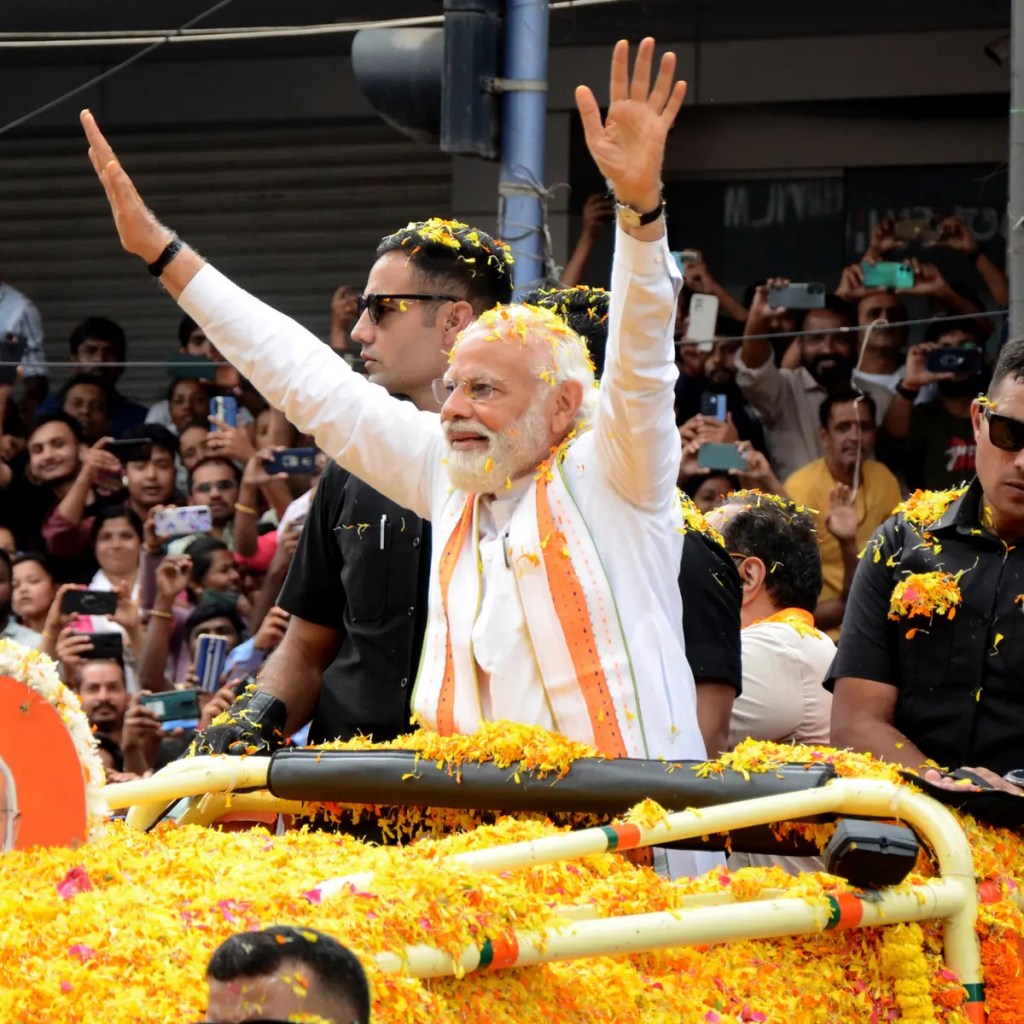
In the ever-evolving landscape of Indian politics, one figure continues to dominate the narrative – Narendra Modi. His charismatic leadership, coupled with strategic political maneuvers, has not only led the Bharatiya Janata Party (BJP) to unprecedented victories but has also redefined the saffron footprint across states. This article unravels the recent electoral triumphs in Madhya Pradesh, Chhattisgarh, Rajasthan, Telangana, and Mizoram, exploring the Modi wave’s continuing resonance.
The stage is set, and the saffron wave is palpable in Madhya Pradesh. In the 2018 & 2023 elections, the BJP’s performance soared from 109 to 163 seats, marking a significant 49.5% increase. This surge is reminiscent of the party’s stellar performance in 2003 when it secured 173 seats after a decade of Congress rule, showcasing a 205% increase in seats in a state it has governed for 19 years.
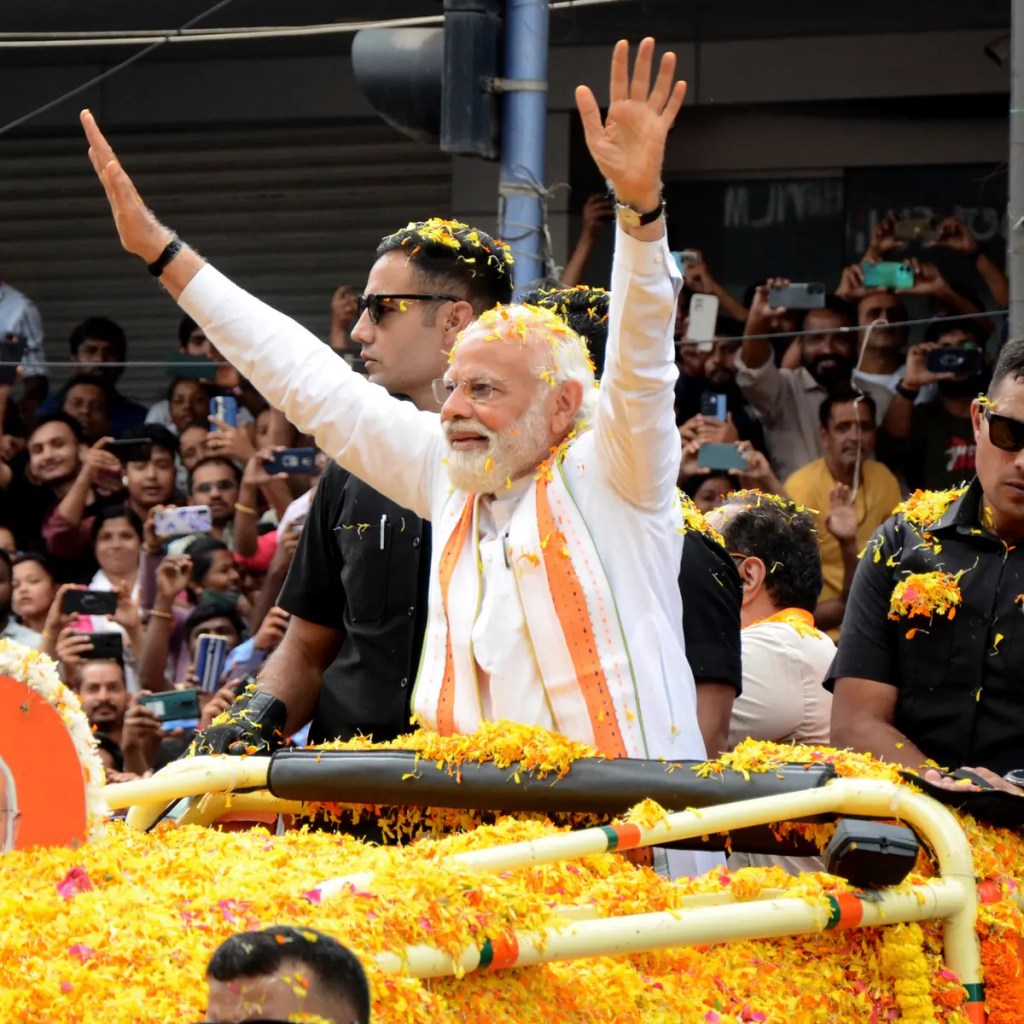
Chhattisgarh witnessed a historic moment for the BJP as it achieved its highest-ever seat tally, securing 54 seats. This remarkable increase of 260% from the 2018 elections, where it won 15 seats, underscores the growing influence of the party in the state. The Modi wave appears to be sweeping through the heartland, rejuvenating the party’s prospects.
Rajasthan, too, witnessed a surge in BJP’s performance, with the party increasing its seats from 73 to 115. This rise of approximately 57.5% reflects the enduring charisma of Narendra Modi, who has been a driving force for the party since his ascent to power at the national level.
Even in the southern bastion of Telangana, the BJP has made remarkable strides. Despite falling short of its desired objectives, the party increased its seat count by an astounding 700%, moving from one seat in 2018 to eight seats in the current elections. This signals a growing acceptability of the BJP’s narrative even in states traditionally less aligned with the party.
Prime Minister Narendra Modi, responding to the electoral victories, sent a stern message to the opposition, emphasizing the rejection of politics based on appeasement, polarization, negativity, and division along caste and religious lines. The BJP’s success is attributed to its strategic shift away from divisive politics and a focus on development, nationalistic pride, and direct beneficiary transfers.
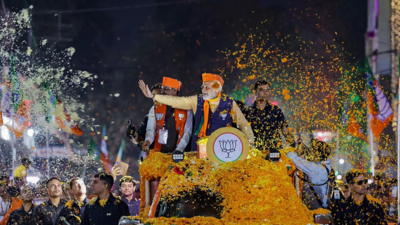
The recent electoral outcomes also highlight the Congress party’s decline, especially in the northern states. The Congress, which once held three states in 2003, has now dwindled to just one state, Himachal Pradesh, showcasing a steady erosion of its political presence. The blame game within the Congress and its allies is a testament to the party’s internal challenges.
Contrary to Congress’ claims of the South being “BJP Mukt,” data reveals that the BJP has more Members of Parliament (MPs) in both Lok Sabha and Rajya Sabha from southern states. With 29 Lok Sabha MPs and six Rajya Sabha MPs, the BJP surpasses Congress in parliamentary representation in the South.
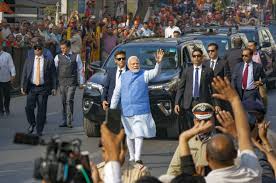
The BJP’s resounding victories across diverse states underscore the undeniable influence of Narendra Modi and the sustained momentum of the Modi wave. The party’s strategic combination of Hindutva, neo-nationalism, direct beneficiary transfers, and a robust grassroots cadre has made it stronger day by day.
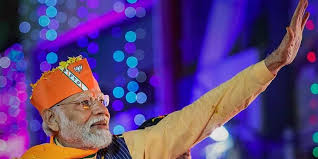
As the saffron wave engulfs states across the country, it’s evident that Modi’s leadership continues to resonate with the electorate. The BJP’s electoral triumphs in Madhya Pradesh, Chhattisgarh, Rajasthan, Telangana, and even Mizoram reflect the party’s adaptability and resonance beyond traditional strongholds. With Modi at the helm, the party appears unstoppable, setting the stage for a compelling narrative leading up to the 2024 elections. The article underscores the enduring impact of the Modi wave on the Indian political landscape, positioning the BJP for a formidable presence in the upcoming national elections.
visit arjasrikanth.in for more insights
 SOCIAL PERSPECTIVES