“A musical luminary who transcended time, Ghantasala’s legacy continues to resonate in the hearts of millions.”
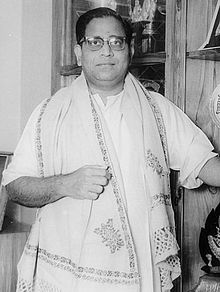
In the vast tapestry of the film industry, where success stories abound, only a few attain a mythical status that transcends generations. One such luminary was the “Madhura Gayakudu,” Ghantasala Venkateswara Rao, forever etched in the memories of his followers as Ghantasala. Born in 1922 in Choutupalli, Andhra Pradesh, his journey from humble beginnings to global acclaim remains a symphony of resilience, musical brilliance, and unwavering commitment to social causes.
Ghantasala’s tryst with music began in the rustic environs of Choutupalli, where his father, a trained Mridanga performer, sowed the seeds of melody. A visit to his father’s shows ignited a musical spark, leading him to sell his gold ring to pursue music in Vijaya Nagaram under the tutelage of Patrayani Sitarama Shastri. His talent garnered appreciation, with maestro Dwaram Venkata Swamy Naidu even gifting him a Tambura.
Despite his immense talent, initial success eluded Ghantasala. HMV Gramophone Company rejected him, citing his voice as unsuitable for recording. A setback turned into a triumph when they later had to record and sell his voice in thousands of records. His journey to artistic success faced another twist during the Quit India movement, where his patriotic songs landed him in prison for 18 months. Behind bars, he encountered political stalwarts, further shaping his outlook.
Released from prison, Ghantasala’s foray into acting and singing marked a turning point. His residence almost became Ghantasala Balaramaiah’s office, where encounters with Akkineni Nageswara Rao and Peketi Sivaram set the stage for his illustrious playback career. Samudrala Raghavacharya provided the opportunity to sing for “Swarga Seema” in 1945, initiating the era of Ghantasala, the Playback Singer par Excellence.
Turning music director for “Mana Desam” in 1949, Ghantasala crafted soulful compositions for nearly 125 films. Classics like “Lava Kusa,” “Maya Bazaar,” “Rahasyam,” “Chiranjeevulu,” and “Gundamma Katha” showcased his musical brilliance. His singing became inseparable from screen legends like NTR and ANR, contributing significantly to their success.
Venturing beyond the realm of films, Ghantasala enriched Light Music through albums like “Karuna Sri,” “Pushpa Vilapam,” and “Kunti Kumari.” A talented lyricist, his song “Bahudurapu Batasari” stands testament to his multifaceted artistry. An immortal gift to Telugu households was his rendition of the “Bhagavad-Gita,” a work that achieved timeless status in various audio formats.
Ghantasala’s commitment extended beyond the realms of music. Active participation during the Indo-China war in 1962 and being honored with “Padma Sri” by the Indian Government reflected his patriotic fervor. His efforts during humanitarian crises showcased the transformative power of music for social good.
In 1970, Ghantasala received the Padmashree, and his silver jubilee celebration witnessed a grand felicitation. Posthumously, the Indian government and the US Postal Department honored him with postal stamps. His legacy lives on through a music college named after him in Vijayawada, a bronze statue in Hyderabad, and the countless households that treasure his musical gems.
As we celebrate the birth centenary of Ghantasala Venkateswara Rao, his melodies echo through time, resonating with fans globally. His journey, from the village of Choutupalli to international acclaim, exemplifies the transformative power of music and unwavering dedication to social causes. Ghantasala’s legacy endures, a testament to the indelible impact of a “One in a Lifetime Singer.”
visit arjasrikanth.in for more insights
 SOCIAL PERSPECTIVES