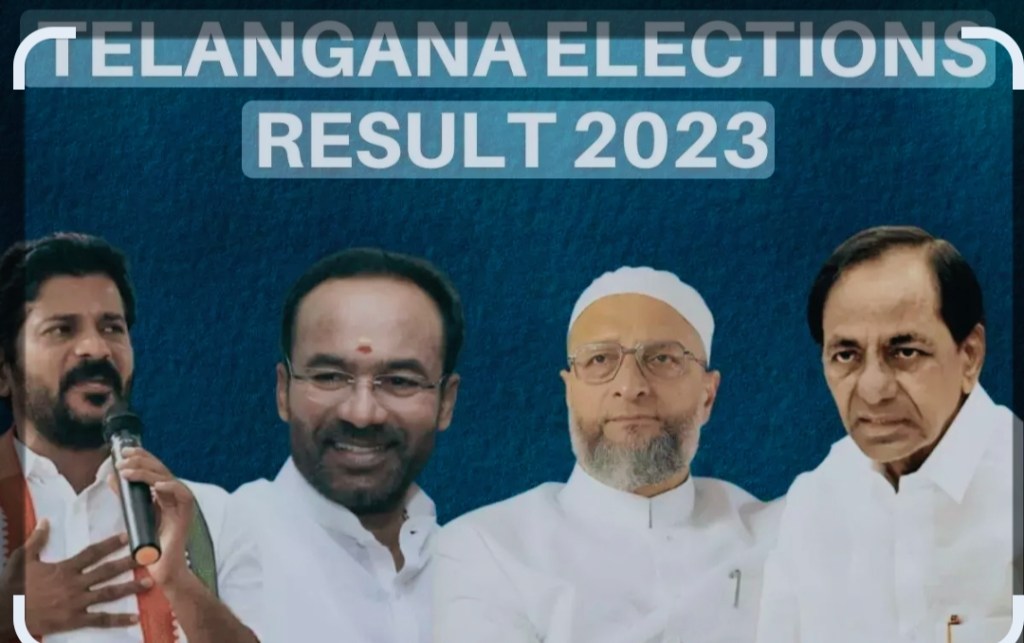
A closer look at the factors contributing to anti-incumbency sentiment and the impact of governance, communication gaps, and MLA performance on the political landscape of Telangana.
Governance is a critical aspect of politics, but when it fails to prioritize public welkness and encounters communication gaps, it can lead to anti-incumbency sentiments. This article delves into the reasons behind the anti-incumbency faced by KCR in Telangana, focusing on governance issues, communication gaps, and the performance of MLAs at the local level. By analyzing these factors, we can gain insights into the challenges faced by the incumbent government and its potential impact on future elections.
During the recent elections, several factors influenced voters to choose the Congress party. According to surveys, 32% of respondents cited the Congress manifesto as their reason for voting, indicating that the party’s promises resonated with the electorate. Additionally, 23% sought a change of government, while 14% expressed anti-incumbency sentiments against the Chief Minister. Notably, 31% of voters expressed dissatisfaction with the performance of their local MLAs. These factors collectively contribute to what can be termed as an “anti-BRS” sentiment, with voters seeking to send a message to the government and demanding change.
Effective communication and performance at the local level play a crucial role in addressing public concerns and fostering trust. However, in Telangana, communication gaps between the government and citizens have hindered progress. Many individuals have voiced their frustrations regarding the lack of responsiveness from government officials and the need to escalate matters to higher authorities. MLAs, who are meant to address the problems of the people, have also faced criticism for their perceived absence and failure to fulfill their responsibilities. These communication gaps and subpar MLA performance have contributed to the anti-incumbency sentiment prevailing in Telangana.
The rise of anti-incumbency sentiment has not been without consequences for KCR and his party. The likely loss of the Chief Minister post in the recent elections reflects the impact of anti-incumbency on his political career. The sentiment of change and dissatisfaction with governance and local MLAs played a significant role in the outcome. Despite the government’s efforts to counter the anti-incumbency wave, the electorate’s message was clear: they desired a change and voted accordingly.
Governance, communication gaps, and the performance of MLAs have emerged as key factors contributing to the anti-incumbency sentiment faced by KCR and his government in Telangana. The Congress party has capitalized on these sentiments by offering a promising manifesto and presenting itself as an alternative to the incumbent government. The anti-incumbency sentiment serves as a reminder to political leaders that prioritizing development and effectively communicating with the public are crucial for maintaining public trust and securing electoral success. With future elections on the horizon, it is imperative for politicians to address these issues and work towards creating a government that truly serves the needs of the people.
Visit arjasrikanth.in for more insights
 SOCIAL PERSPECTIVES