Exploring the critical role of climate finance in addressing climate change and the challenges faced in funding climate action.

As global leaders gather for the 28th annual conference on climate in Dubai, on 30 November, 2023, the need for climate finance takes center stage. Climate finance refers to the financial resources required to support mitigation, adaptation, and addressing loss and damage caused by climate change. This article, delves into the significance of climate finance and the barriers that hinder its effective implementation.
Mitigation, adaptation, and loss and damage form the three pillars of the global response to climate change. Mitigation focuses on reducing greenhouse gas emissions to prevent further climate change. Adaptation entails adjusting to the changing climate, such as modifying agricultural practices and managing water resources. Loss and damage address the support needed by countries facing the impacts of climate change, such as floods or extreme weather events.

One significant outcome of last year’s conference was the creation of the Loss and Damage Fund. This fund aims to provide financial assistance to countries affected by climate-related disasters. Developing countries, particularly smaller nations and island states, stand to benefit the most from this fund. These countries have contributed minimally to greenhouse gas emissions but face the brunt of climate change impacts.
Although the decision to create the Loss and Damage Fund was made last year, no contributions have been made to the fund yet. Discussions are ongoing regarding the fund’s structure and where it should be placed. Two options being considered are integrating it within the World Bank or creating a separate entity. Supporters and opponents of both ideas continue to debate, and finalization is expected at this year’s conference.
Under the 2015 Paris Agreement, developed countries are obliged to provide financial assistance to developing countries for climate change adaptation. The agreement emphasizes the responsibility of developed nations, both in reducing emissions and supporting developing countries in their climate action efforts. The goal is for at least 40% of financial flows to be allocated to adaptation projects.

Recent reports indicate that the proportion of funding directed towards adaptation projects has decreased in the past year. Instead of increasing, the share has fallen short of the 40% target set in Glasgow. Developing countries, including India, face financial constraints in implementing climate actions, as the required funding is not readily available. The current flow of climate finance is significantly lower than the trillions of dollars needed annually to combat climate change effectively.
The primary barrier to climate action is the lack of sufficient funds. Countries require financial resources for measuring emissions, implementing adaptation measures, and undertaking various climate projects. The current global financial flows for climate action fall far below the necessary levels. Developing countries struggle to access the financial support they need from developed nations, creating a significant hindrance to their climate efforts.
Amidst the pressing need for increased climate finance, discussions are underway to restructure international financial systems. The aim is to ensure that developing countries can access funds more easily and with greater freedom. However, concrete decisions and actions have been limited thus far, leaving little time for effective implementation.
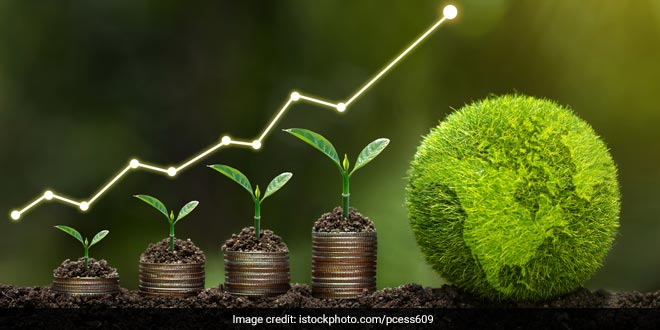
Climate finance plays a pivotal role in addressing the challenges of climate change. The creation of the Loss and Damage Fund and the commitment to allocate a significant proportion of financial flows to adaptation projects are positive steps. However, the current state of climate finance falls far short of what is required to tackle the global climate crisis effectively. Urgent action is needed to mobilize additional funding and overcome the barriers that hinder climate finance. Only then can we unlock the key to climate action and pave the way for a sustainable future.
visit arjasrikanth.in for more insights
 SOCIAL PERSPECTIVES