Turning Dreams into Reality: India’s Ambitious Green Villages Project
As the world gears up for COP28 in Dubai on November 30, 2023, a ground breaking proposal takes centre stage, transcending traditional philanthropy and corporate social responsibility. Green Villages Project—a paradigm-shifting initiative that addresses environmental concerns while pioneering self-sustained habitats for a healthier planet.
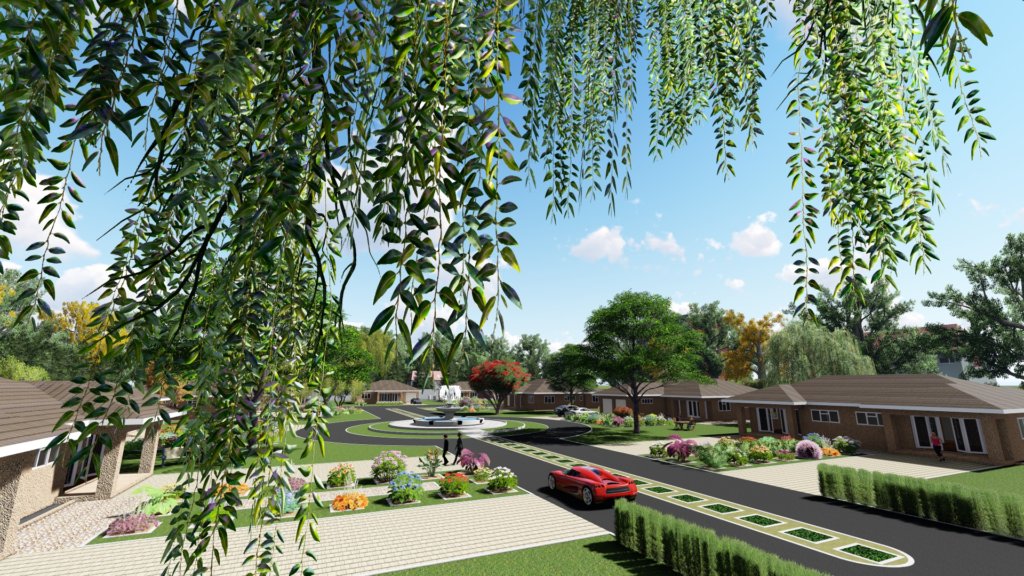
The article commences with the anticipation surrounding COP28, emphasizing the pivotal role in proposing an innovative solution to global environmental challenges. Beyond conventional approaches, the Green Villages Project stands out as a philanthropic endeavor, inviting billionaires, environmentalists, and policymakers to unite in creating a sustainable and harmonious future.
The core concept of Green Villages is introduced, emphasizing its dual purpose: mitigating emissions and establishing self-sustained habitats. These villages, strategically positioned on the outskirts of urban centers grappling with pollution, signify a transformative shift towards sustainable living. The blueprint incorporates small, eco-friendly housing units adhering to international standards like GRIHA.
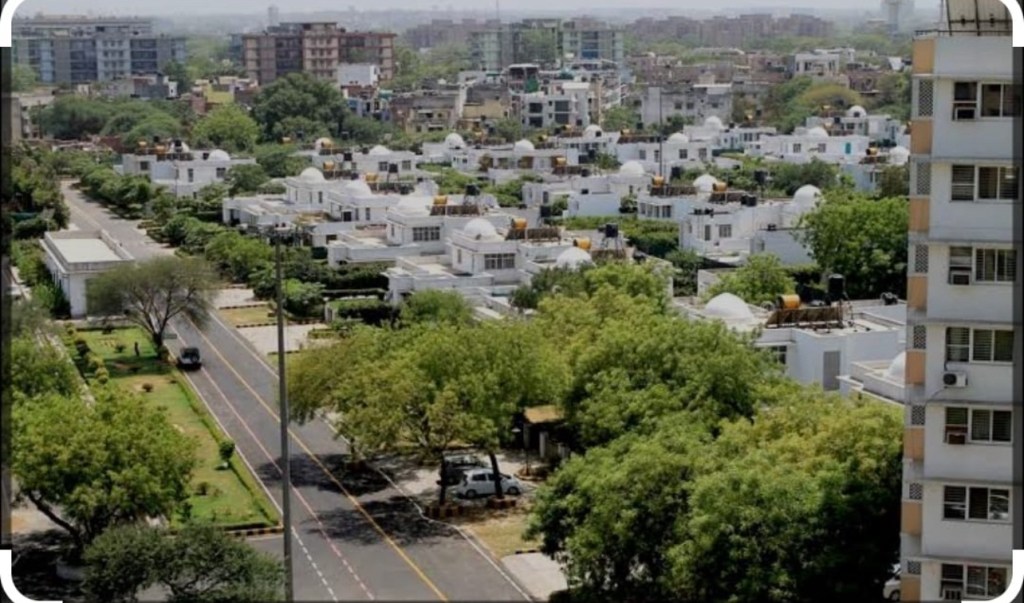
Former Chairman and Managing Director of the National Building Construction Company, Mr. Arup Roy Choudhury, has created New Moti Bagh, a remarkable 125 Ac green village in Central Delhi. It provides a beautiful eco-friendly residences for senior bureaucrats, showcasing a perfect harmony between modern infrastructure and nature. The village emphasizes environmental consciousness, incorporating innovative green technologies to reduce energy consumption and minimize environmental impact.
A comprehensive water and sewage treatment plant lies at the heart of each Green Village, ensuring purification of every drop of wastewater. The treated water is then recycled for horticulture, gardening, and other purposes, exemplifying a closed-loop approach crucial for sustainability. Lush plantations, designed strategically to absorb carbon dioxide, contribute to environmental balance while ensuring a perennial supply of clean water through groundwater recharge.

The villages embrace bio-based power generation, relying on off-grid distribution through net metering. The incorporation of solar rooftop panels further enhances local energy consumption, making each village a self-sufficient entity. This section explores how reducing dependence on conventional power sources aligns with global climate goals.
Residents of Green Villages are presented with opportunities for horticulture, floriculture, and vegetable cultivation within green spaces, all facilitated by recycled water. The article delves into how sustainable living extends to raising organic poultry, contributing to household revenue and promoting organic farming practices.
An emphasis on reducing carbon footprint is placed on encouraging electric vehicles for transportation within the community. Diesel and petrol vehicle parking, strategically placed at entry gates, facilitates a seamless transition to electric alternatives for daily commuting needs. The villages feature a secured gated complex equipped with community kitchens and basic medical facilities, ensuring the overall well-being of residents. Additionally, the adoption of neighboring villages for skill development and support reflects a commitment to uplifting the entire region.
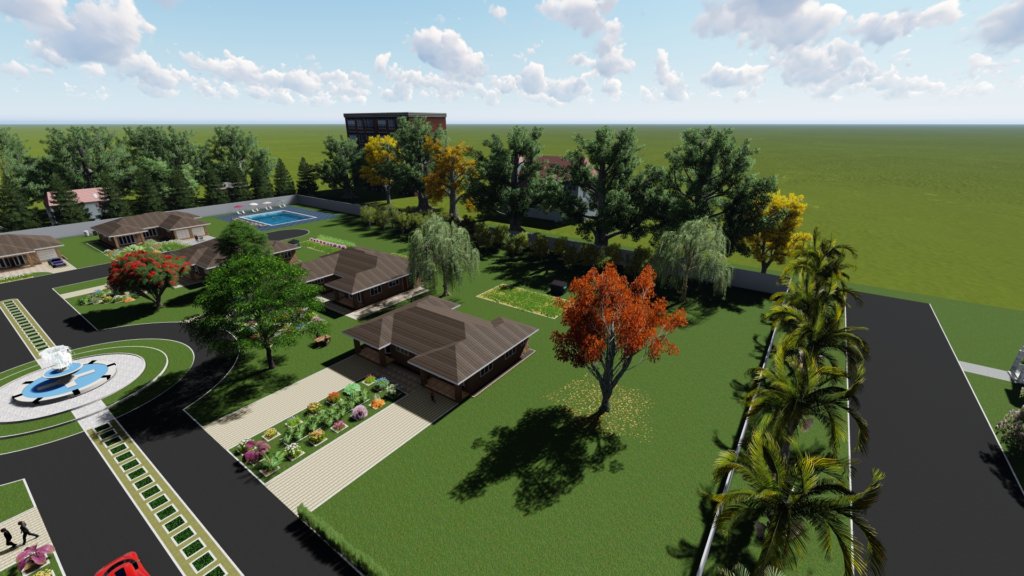
The success of the Green Villages concept is deemed contingent on the support of visionary billionaires willing to invest in this sustainable future. The article urges India’s affluent class to embrace the project, emphasizing the need for cost-neutral infrastructure to entice potential residents.
As COP28 approaches, the Green Villages project is presented as a beacon of sustainable development. The proposal not only aligns with the global climate agenda but also resonates with the ancient Indian philosophy of “vasudhaiva kutumbakam”—the world is one family. The concluding section issues a call to action for billionaires, environmentalists, and policymakers to unite for a common cause and lay the foundation for a greener, more harmonious future.
Thought Process Courtesy , Pro (Dr.) Arup Roy Choudhury presently With IIT Delhi & Former CMD of NBCC & NTPC .
Visit arjasrikanth.in for more insights.
 SOCIAL PERSPECTIVES