Analyzing the role of caste dynamics in shaping the political landscape of Telangana, as parties vie for power.
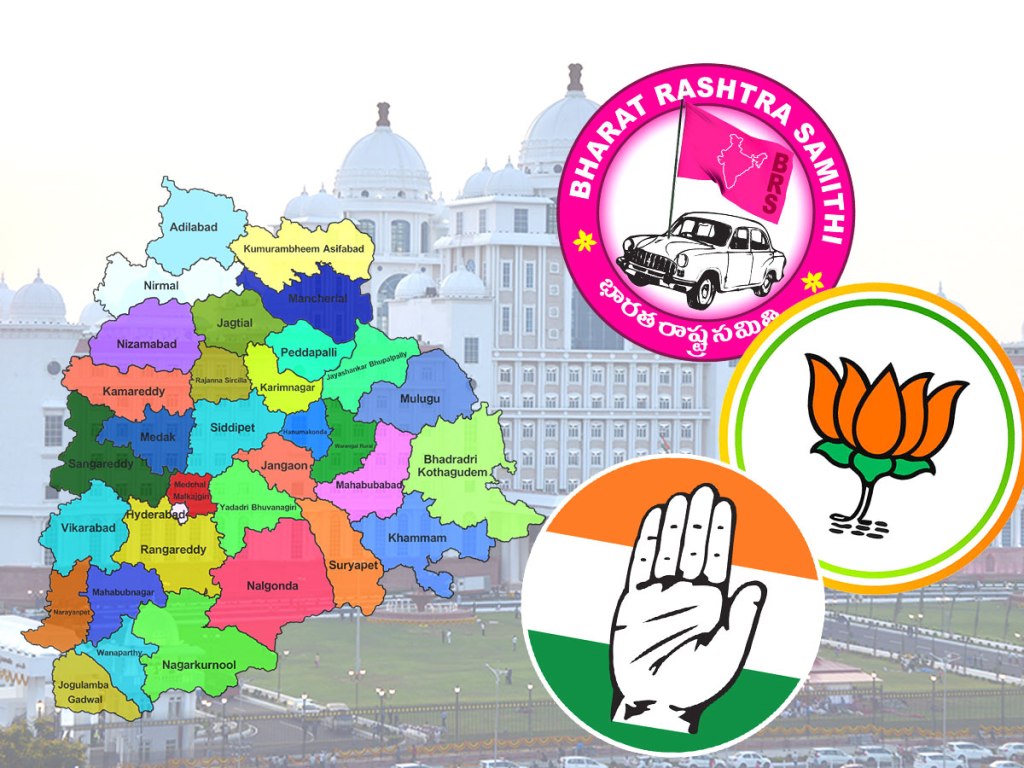
Telangana, the one of the largest state in India, stands out politically due to its unique demographic composition. Scheduled Castes (SC), Scheduled Tribes (ST), Other Backward Classes (OBC), and minorities collectively make up around 85% of the state’s population. Understanding the influence of caste politics in Telangana becomes crucial as parties strategize to gain an upper hand in the upcoming elections. This article, delves into the significance of caste dynamics and its impact on the political scenario in Telangana.
Telangana’s population comprises various caste groups, each with its own political significance. The Bharatiya Janata Party (BJP) has been reworking its strategy to focus on underprivileged communities in the state, aiming to outmaneuver the opposition. The BJP’s move is an attempt to project a backward class leader to counter the upper-caste dominance of the Telangana Rashtra Samithi (BRS/TRS) and the Congress.
The BJP has put forth leaders belonging to the OBC and Munnur Kapu community. This move is an attempt to mobilize the OBC community, which accounts for a significant percentage of votes. However, rival parties criticize this as a pipedream, calling it a hypocritical strategy. The BJP faces the challenge of proving its commitment to OBC representation amidst skepticism from opposition parties.
Telangana’s political landscape differs from other states like Rajasthan, Chhattisgarh, and Madhya Pradesh. In Telangana, caste communities and their population play a crucial role in determining electoral outcomes. Unlike in other states, where issues like incumbency and performance take precedence, caste-based voting patterns are more prevalent in Telangana.
While the BJP’s presence in Telangana was initially limited, it has gained momentum in recent years. In the 2019 elections, the BJP emerged as a formidable force, securing a substantial vote share. However, the party has not yet crossed the 19% mark in terms of seats won. The BJP’s challenge lies in expanding its support base beyond upper castes and making significant inroads among OBC and minority communities.
The Congress party, with its focus on minority welfare and social upliftment, aims to consolidate minority votes. It has garnered support from various political parties and movements across the nation. The Congress aims to present itself as a party that addresses the concerns of all sections of society, rather than relying solely on caste-based politics.
Telangana Rashtra Samithi (TRS/BRS ) leader and Chief Minister KCR has faced criticism for his upper-caste dominance in the party’s leadership. The BJP and Congress have capitalized on this, attempting to portray themselves as alternatives that prioritize backward class representation. KCR’s failure to fulfill his promise of appointing a backward class leader as Chief Minister has been a point of contention and a source of criticism.
Caste politics continues to dominate the political landscape of Telangana, with parties vying for the support of various caste communities. The BJP’s focus on projecting backward class leaders and the Congress’ approach of consolidating minority votes have intensified the competition. The challenge lies in breaking the stronghold of upper-caste dominance and providing a platform for representation from marginalized communities. As the elections draw near, the role of caste dynamics in shaping Telangana’s political future remains a crucial factor to watch.
As Telangana braces for assembly elections, the intricate dance of caste politics takes center stage. The outcome will be a reflection of how political parties navigate the complexities, meet diverse caste aspirations, and shape the state’s political destiny. The reservations debate, caste census, and the BJP’s OBC focus add layers to an already intricate electoral landscape. Telangana’s voters stand at the crossroads of caste, politics, and the future.
visit arjasrikanth.in for more insights
 SOCIAL PERSPECTIVES