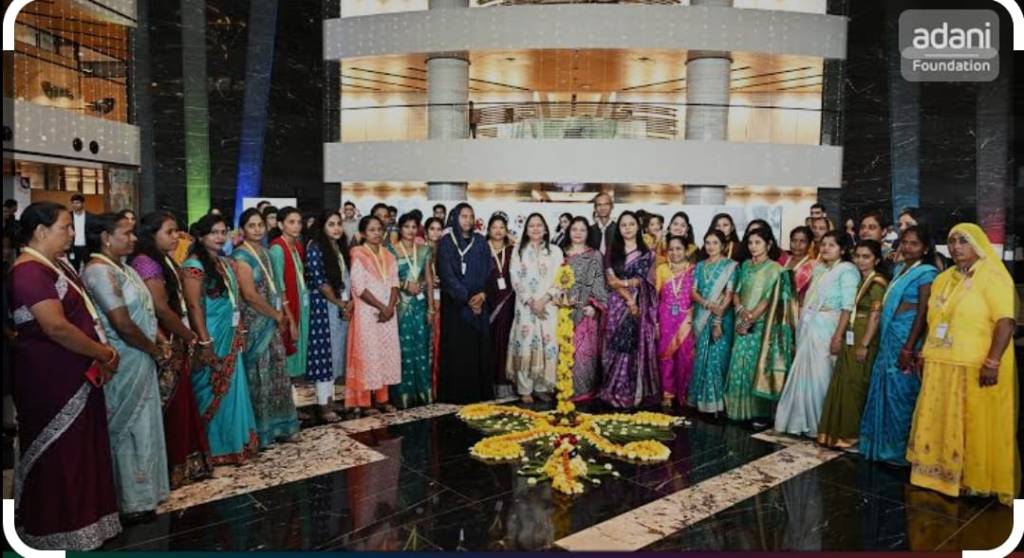
India’s cultural tapestry is a rich and vibrant mosaic, woven together by the skilled hands of artisans whose craftsmanship echoes tales of tradition and heritage. Yet, in the face of modern challenges such as inadequate wages and the encroachment of mass-produced goods, the voices of these artisans are fading. This article explores the pivotal role played by the Adani Foundation in reviving and empowering artisans, championing the cause of “vocal for local.”
The narrative unfolds against the backdrop of India’s transformative journey since the liberalization, privatization, and globalization reforms of 1991. Globalization initially opened doors to international markets, creating a surge in demand for authentic Indian products and fostering innovation in artistic creations. However, this global shift also brought challenges, including meagre wages and the threat of mass production. The article delves into the delicate balance between increased demand and intensified competition, exploring how artisans grapple with these complexities.
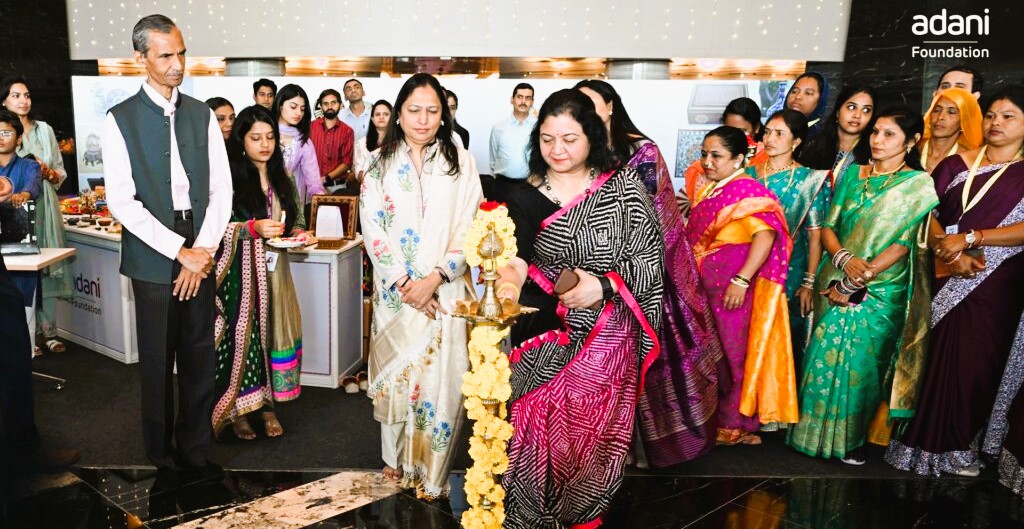
Despite being custodians of India’s cultural legacy, the handicraft industry contributes a mere 2% to the global economy. The sector faces challenges such as illiteracy, limited market access, and dwindling demand. The Adani Foundation emerges as a transformative force, with initiatives in Tirora, Maharashtra, focusing on self-help groups, skill development, and the preservation of traditional arts. Success stories like lac bangle making and events like Gram Bharati 2022 underscore the tangible outcomes of the Foundation’s endeavours.
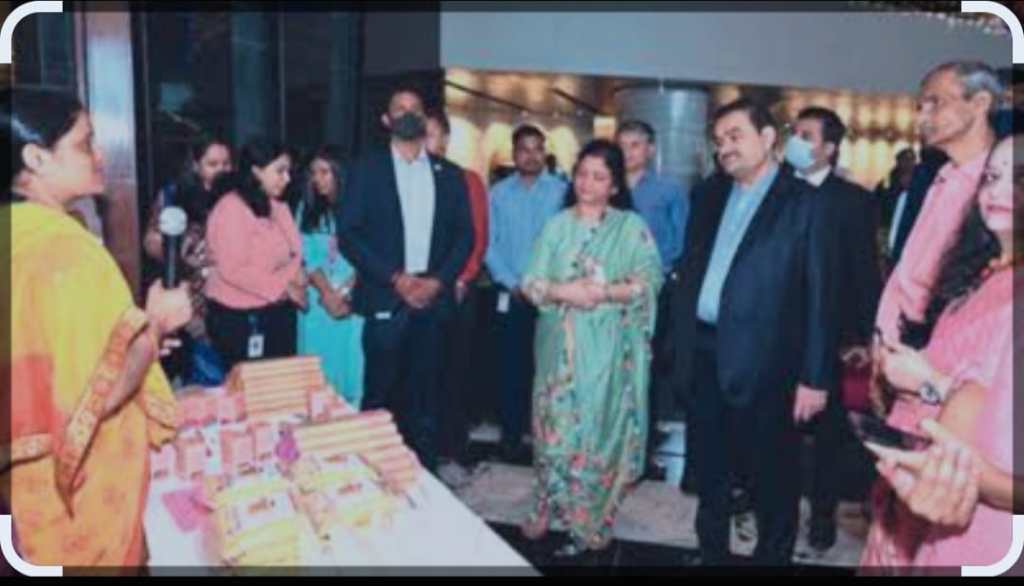
The Sathwaro Mela, organized by the Adani Foundation, stands out as a testament to its commitment to empowering artisans. This two-day event not only provides a platform for showcasing diverse arts and crafts but also translates into substantial business. The Foundation’s dedication to connecting artisans with corporate gifting programs reinforces its commitment to sustaining age-old arts and crafts. The article emphasizes the need for a balanced approach, addressing economic and social dimensions, while celebrating tradition.
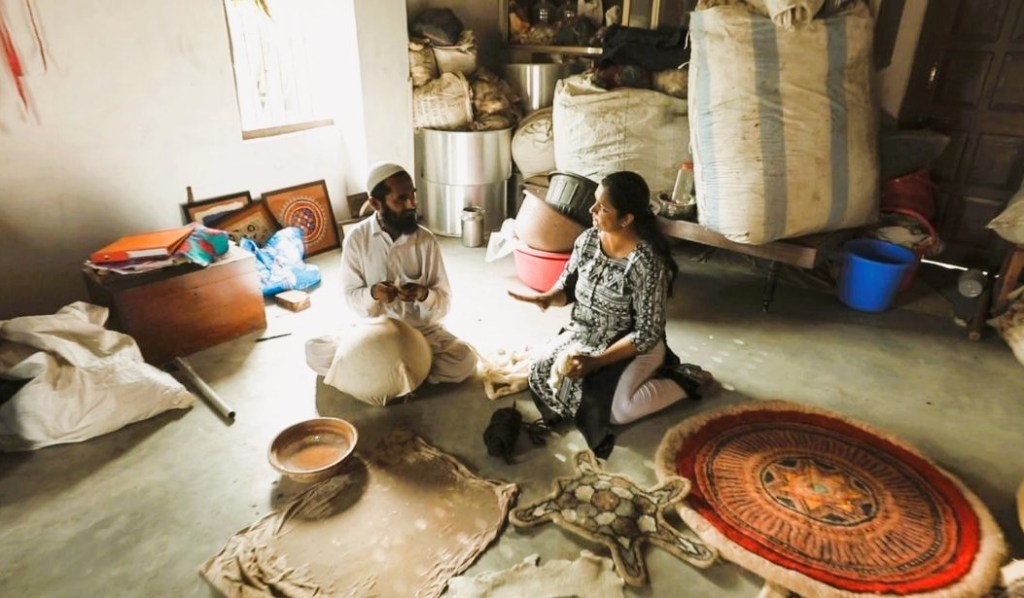
The article highlights the transformative journey of Karim Mansuri, once an ordinary Namda artisan now turned entrepreneur, as a testament to the Foundation’s commitment to empowering artisans and preserving cultural heritage. The Foundation’s initiatives not only revive dying arts but also foster an environment where traditional crafts seamlessly blend with modern markets. Events like Gram Bharati and Sathwaro Mela provide artisans with not just a market but a community that recognizes their intrinsic value.
The Foundation’s commitment to building social capital and promoting collective strength is evident in its multifaceted initiatives aimed at empowering women artisans and fostering sustainable livelihoods. The focus on self-help groups, skill development, and preserving traditional arts reflects a holistic approach toward achieving sustainable development goals in Tirora. Initiatives such as organic System of Rice Intensification practices and various income-generating activities contribute to inclusive growth and sustainable livelihoods.
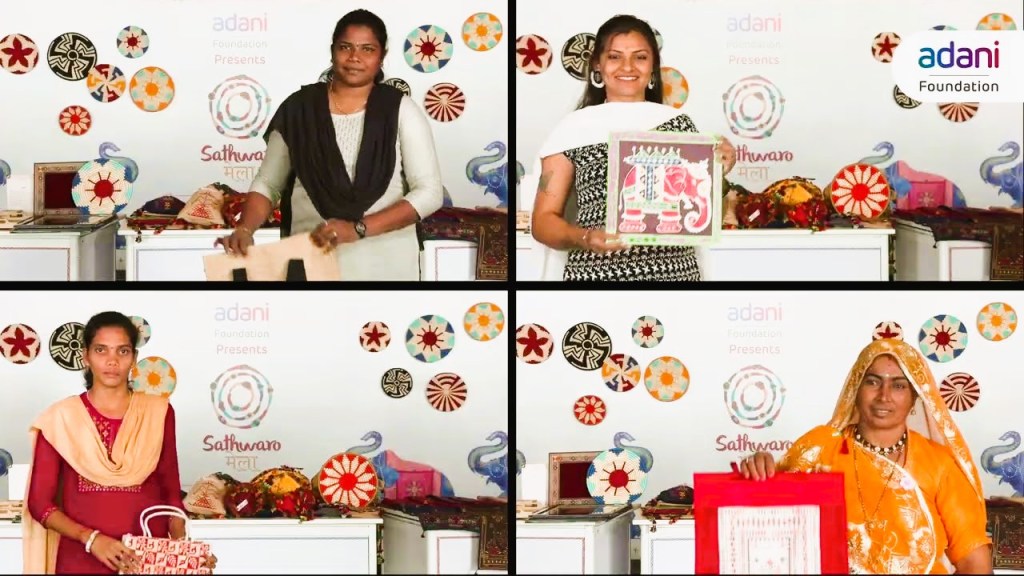
The lac bangle making program, initiated in 2017, has emerged as a success story, involving 90 women from nearby villages. These women are not only trained to handcraft lac bangles but are also connected with vendors for raw materials and product buy-back. The success at events like Gram Bharati underscores the significance of such platforms in expanding the horizon for village women, exposing them to diverse cultures and products. The article emphasizes the enriching experiences gained through interactions with members of other self-help groups, creating a sense of sisterhood and fostering an exchange of ideas.
The Foundation’s initiative understands the importance of supporting dying arts like Rogan Art and Sadeli Craft, providing a platform for artisans to sell their products and connect with corporate gifting programs. The goal is to ensure a steady income source for artisans, significantly enhancing their financial stability. The Sathwaro initiative aims to inspire the younger generation to carry forward cultural legacies and aligns with Sustainable Development Goals related to economic growth, sustainable livelihoods, and cultural preservation.
In conclusion, the Adani Foundation’s multifaceted initiatives represent a holistic approach to empower women artisans, foster sustainable livelihoods, and preserve traditional arts. The positive impact of these endeavours is evident in the success stories of individual artisans and their communities, aligning seamlessly with broader goals of sustainable development and cultural preservation.
The article underscores the transformative power of collective efforts, with the Adani Foundation’s initiatives becoming a harmonious symphony that resonates through the success stories of empowered artisans and vibrant displays of traditional crafts at events like Sathwaro Mela. The Foundation’s unwavering commitment is a beacon of hope and resilience, leaving behind a lasting legacy. The tangible actions taken by the Adani Foundation reverberate in the lives of artisans in Tirora and beyond.
In this new era, the Adani Foundation stands not just as a supporter but as a driving force for positive change. The hope crafted by the Foundation extends beyond the pages of this narrative, finding expression in the hands of artisans, the hearts of those who aspire, and the thriving communities they touch. The legacy of India’s unsung artisan heroes is being rewritten, and the Adani Foundation, through its unwavering commitment, acts as the quill that scripts a narrative of hope, resilience, and the timeless beauty of India’s artisan heritage.
visit arjasrikanth.in for more insights
 SOCIAL PERSPECTIVES