China faces a sudden spike in respiratory illnesses, leading to overwhelmed hospitals, particularly among children. Questions arise about the nature of the outbreak, reminiscent of previous global health concerns.
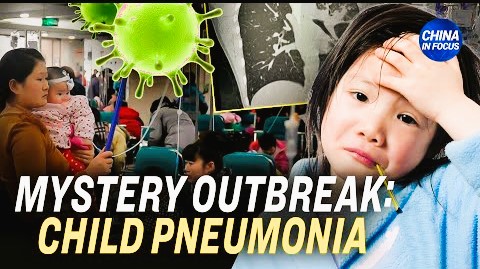
In a startling development, Chinese hospitals find themselves inundated with a surge in respiratory illnesses, primarily affecting children. As China enters its first full flu season since lifting Covid restrictions, concerns escalate as hospitals grapple with overwhelmed facilities and clusters of pneumonia cases. The World Health Organization (WHO) has sought more data from Beijing, emphasizing the need for transparency in understanding this unexpected health crisis.
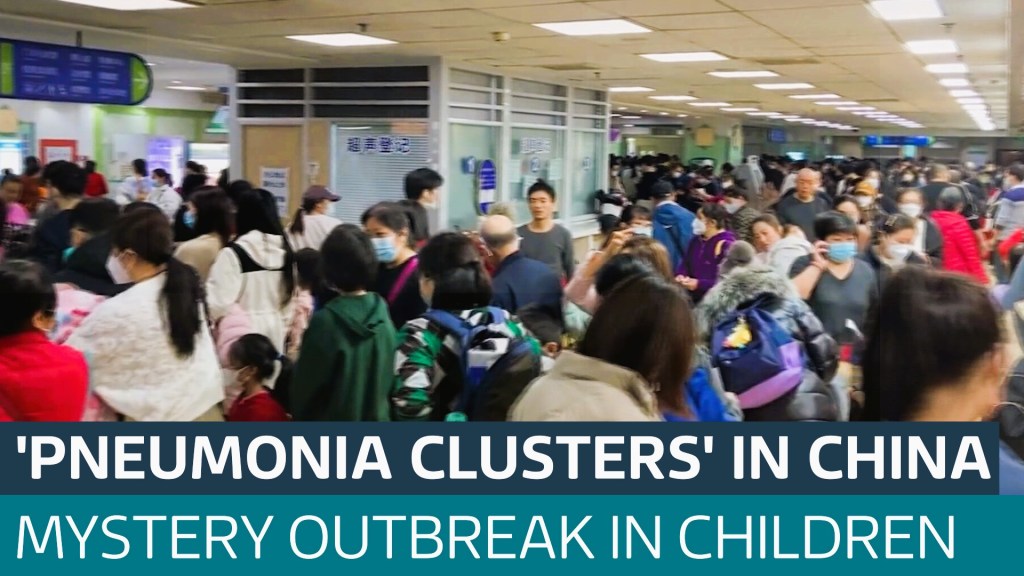
Reports from the Beijing Children’s Hospital paint a vivid picture of long lines, crowded waiting rooms, and parents anxiously tending to children on IV drips. The WHO, while acknowledging the increase in cases, attributes it to the lifting of Covid-19 restrictions, a phenomenon witnessed globally as nations relaxed stringent measures.
The situation has prompted discussions about whether this surge poses a global threat. According to the WHO, no new or unusual pathogens have been detected, and hospitals have not exceeded their capacities. The spike in respiratory illnesses, though concerning, does not warrant travel restrictions based on current information.
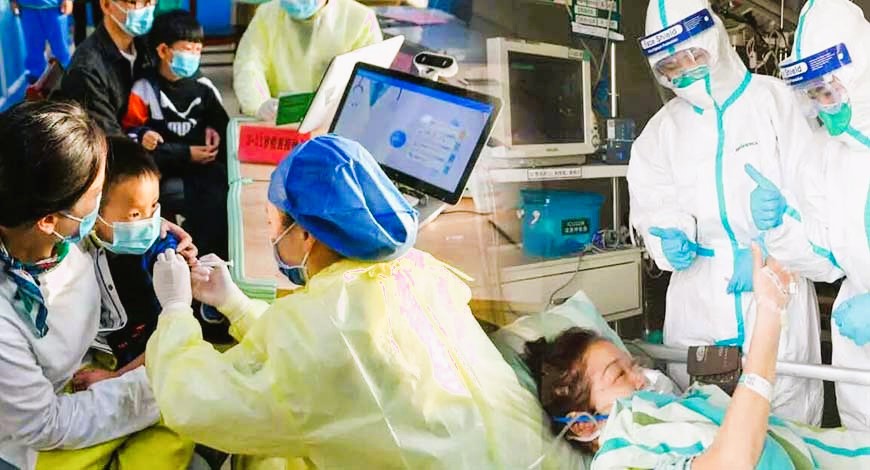
The timing of this surge, aligning with the end of China’s National Day holiday week and marking the country’s first full flu season post-Covid restrictions, draws parallels with similar experiences in countries like Australia, New Zealand, and the United States. Experts suggest that this surge is likely a consequence of reduced exposure to pathogens during strict lockdowns, creating a vulnerability to respiratory diseases.
The impact of this surge is palpable in hospitals across northern China, with reports of paediatric clinics facing an overwhelming number of daily visits. Hospitals are deploying additional resources, with senior doctors from various departments joining efforts to manage the influx of patients.
Parents, concerned about the health of their children, express frustration over difficulties in booking appointments and call for school closures. The severity of the situation is evident in statements from hospital staff, describing the challenges of managing the large and serious outbreak.
The mystery deepens as videos circulate on Chinese social media, showing children attending classes from hospital beds. The situation raises questions about the nature of the outbreak, with symptoms resembling those of the Wuhan virus. Concerns about transparency and the trustworthiness of information persist, echoing sentiments from previous global health crises.
In conclusion, the surge in respiratory illnesses in China, particularly among children, unfolds as a complex and concerning situation. While the WHO seeks more information and reassures that there is no immediate global threat, the impact on local communities, overwhelmed hospitals, and the mysterious nature of the outbreak create an atmosphere of uncertainty. As the world awaits further details, the focus remains on collaborative efforts, transparency, and effective measures to address and mitigate the challenges posed by this unexpected health crisis.
 SOCIAL PERSPECTIVES