“Unravelling the Layers: Understanding the Maratha Reservation Controversy in Maharashtra”
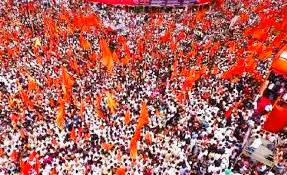
The Maratha Reservation Controversy has been a persistent issue in India since 2018, sparking protests, debates, and legal battles. The demand for reservation by the Maratha community, which constitutes a significant portion of Maharashtra’s population, has led to a complex socio-political landscape. From the historical context to the legal intricacies and the contemporary struggles, this article delves deep into the multifaceted dimensions of the Maratha reservation debate.
The controversy traces back to 2018 when members of the Maratha community initiated protests and violence, demanding their inclusion in the economically weaker sections (EWS) eligible for reservation. This marked the beginning of a tumultuous journey that has since seen ongoing debates on the constitutional validity of caste-based reservations.
The historical context of the Maratha community’s identity is crucial in understanding the reservation demand. The assertion that Kunbis and Marathas are the same, as indicated by the Kshatra Jagadguru’s farman in 1931, adds layers to the complexity. This historical identity plays a role in the contemporary demand for Kunbi certificates and the inclusion of Marathas in the Other Backward Class (OBC) category.
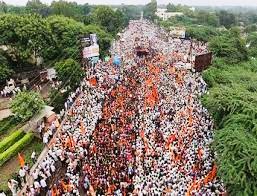
The legal battle surrounding Maratha reservation involves a series of challenges and landmark decisions. The Supreme Court’s scrutiny, particularly the 2021 decision, declared the Maratha reservation unconstitutional, citing violations of equality principles enshrined in the Indian Constitution. The debate over the 50% reservation ceiling and whether reservations should be a state or central subject adds legal intricacies to the controversy.
Examining the demand for reservations by dominant castes, including Marathas, sheds light on the changing socio-economic landscape. The resurgence of these castes, often politically and economically influential, seeking quotas in jobs and education reflects deeper issues related to economic growth, agrarian crises, and the quest for stable livelihoods. Analyzing the evidence related to the socio-economic status of Marathas reveals stark disparities.
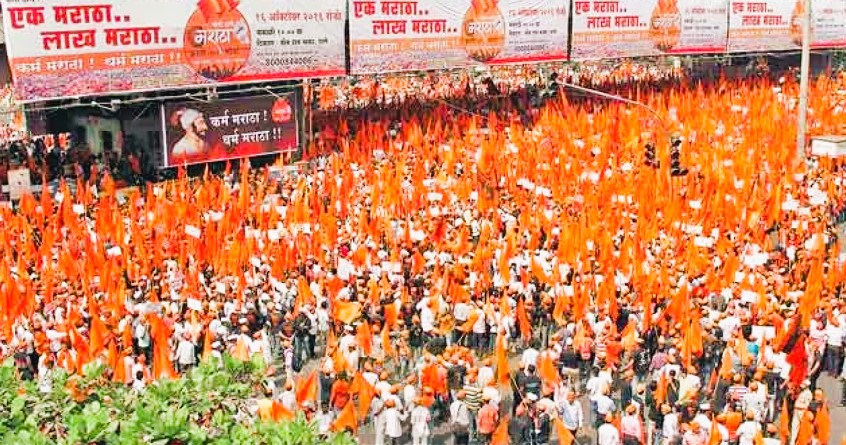
The government’s response to the Maratha reservation demand, particularly the issuance of Kunbi caste certificates, has triggered discontent among the Other Backward Classes (OBCs). With OBCs having a 27% reservation in various domains, the inclusion of Marathas in the OBC category faces strong opposition. The political ramifications, especially in Vidarbha, highlight the challenges faced by the government.
As Maharashtra grapples with the Maratha reservation controversy, the road ahead involves navigating a complex maze of legal, social, and political imperatives. The government’s efforts to find a solution through committees and negotiations, while addressing the concerns of various communities, will shape the future of reservation policies in the state.
In conclusion, the Maratha Reservation Controversy encapsulates a dynamic interplay of historical identities, legal challenges, and socio-political dynamics. The quest for reservation reflects not only the aspirations of the Maratha community but also the broader complexities of India’s reservation system. Striking a balance between constitutional principles, social realities, and political considerations becomes imperative as Maharashtra navigates this intricate maze. The outcome will not only impact the Maratha community but will set precedents for the larger discourse on reservations in the country. As the debate continues, Maharashtra stands at a critical juncture, where decisions made will reverberate through the socio-political fabric of the state.
visit arjasrikanth.in for more insights
 SOCIAL PERSPECTIVES