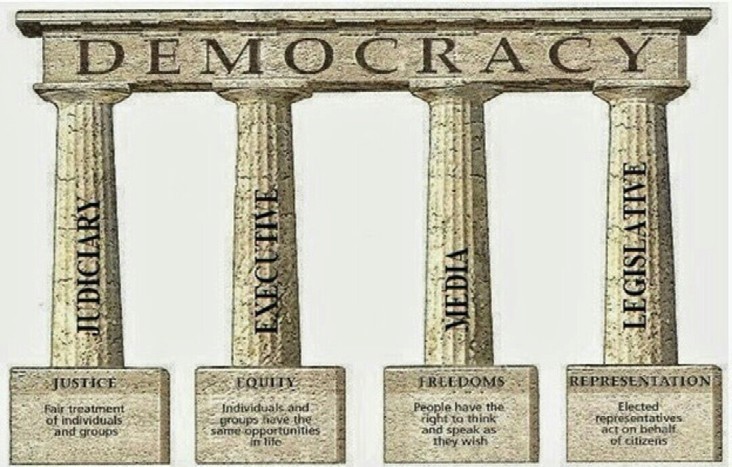
In contemporary times, a significant trend has emerged in the Indian governance landscape – an increasing number of government decisions face legal challenges in courts. Governments, determined in their course of action, find their policies and laws subjected to rigorous scrutiny. This raises a crucial question: Are these legal battles indicative of deficiencies in bureaucratic and political vision, the overwhelming influence of social media, or a dwindling tolerance for diverse perspectives?
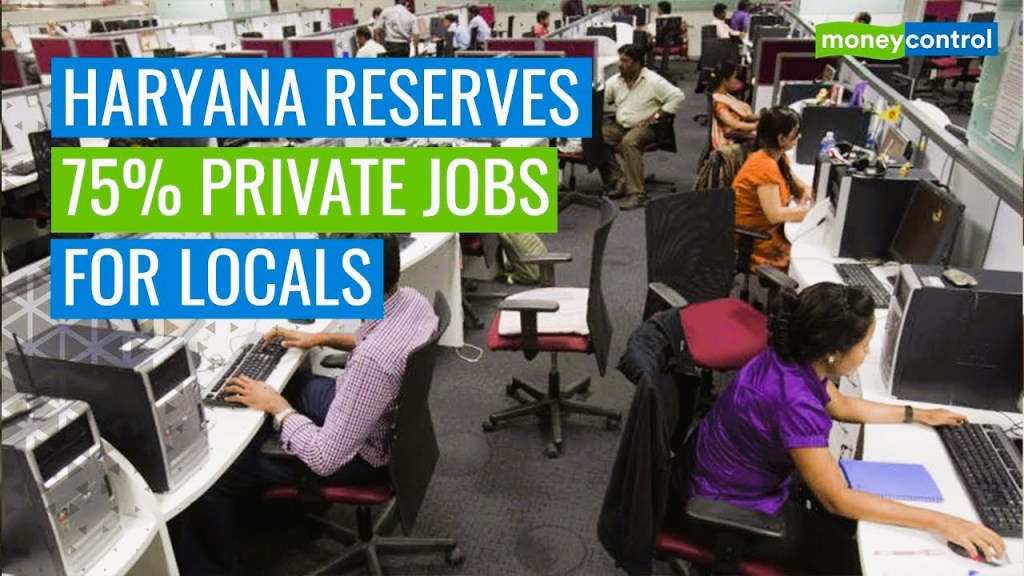
The recent verdict by the Punjab and Haryana High Court on Haryana’s State Employment of Local Candidates Act, 2020, exemplifies the challenges governments face in implementing policies. The law, aimed at addressing unemployment concerns, faced opposition on grounds of infringing upon fundamental rights. The court’s declaration of the law as unconstitutional triggers reflections on whether governance decisions align with constitutional principles.
The Jammu and Kashmir High Court’s stance on the Unlawful Activities (Prevention) Act (UAPA) is another example of the legal landscape scrutinizing governance decisions. The court’s insistence that investigating agencies justify arrests under UAPA based on the doctrine of present danger signifies a delicate balance between security measures and safeguarding individual liberties. This prompts contemplation on the impact of stringent laws on personal freedoms and national security.
The Uttar Pradesh government’s ban on Halal-certified products adds another layer to the governance-courts interface. The legal battle, triggered by a complaint against alleged illegal certification, raises questions about the role of religious practices in commerce and the need for a regulatory framework. This episode underscores the complexities in balancing individual rights, business interests, and regulatory compliance.

The observations of the Supreme Court regarding Governor Ravi’s actions on pending bills in Tamil Nadu prompt a deeper inquiry into the Governor’s role in governance. While the constitutional position is meant to act as a check, delays in decision-making can impede effective governance. This calls for a reevaluation of the Governor’s role – should it be a facilitator ensuring smooth functioning or a potential hurdle in the governance process?

As legal battles become more frequent, it’s imperative to explore the underlying factors contributing to this trend. Is it a result of inadequacies in bureaucratic and political vision? Are governance decisions susceptible to social media influences, leading to information overload and public polarization? Alternatively, is there a shrinking tolerance for diverse opinions, prompting dissent to find its way to the courtroom?
In navigating the intersection between governance and the legal arena, it is essential to strike a balance that upholds constitutional values while fostering effective decision-making. The courts play a pivotal role in ensuring that governance decisions align with the principles of justice, equality, and individual rights. As we reflect on recent legal challenges, the path forward must encompass a commitment to transparent, accountable, and inclusive governance that stands resilient in the face of legal scrutiny.
visit arjasrikath.in for more insights.
 SOCIAL PERSPECTIVES