
“AI Unleashed: The Shadowy Realm of Deep Fakes and Digital Deception”
In the dazzling realm of technological advancement, Artificial Intelligence (AI) emerges as both a beacon of innovation and a harbinger of potential threats. As society embraces the promises of AI, it becomes imperative to scrutinize its darker facets, with one such menace looming large—the ominous Deep Fake technology. This article explores the multifaceted perils of AI, delving into the nefarious realm of Deep Fakes and their unsettling impact on individuals, celebrities, and even political figures.
AI, equipped with its deep learning algorithms, has birthed a formidable adversary—the Deep Fake. This technology enables the creation of hyper-realistic, forged content, blurring the lines between reality and fiction. Its insidious nature becomes glaringly apparent when wielded as a tool for character assassination, misinformation, and even political manipulation.
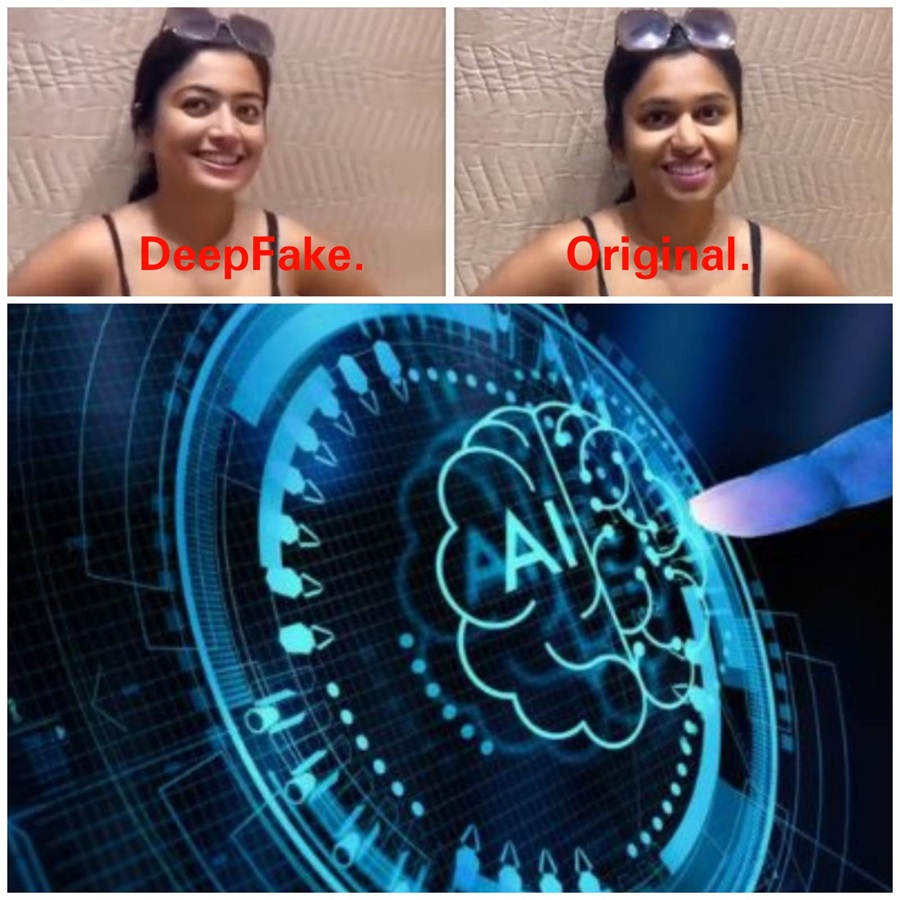
No one, not even political figures, is immune to the malevolent reach of Deep Fakes. A glaring example is the manipulated video of Prime Minister Modi purportedly dancing in a Dandia program. This not only underscores the audacity of Deep Fake perpetrators but also highlights the potential political repercussions, where misinformation can sow seeds of discord and public distrust.
Beyond the political spectrum, the entertainment industry bears the brunt of Deep Fake assaults. Celebrities like Kajol find themselves ensnared in a web of deceit, with their faces superimposed on fabricated videos showcasing them in different situations. The virality of such content on social media amplifies the damage, raising concerns about the psychological and reputational toll on the victims.
Social media platforms, the bustling hubs of global connectivity, unwittingly become accomplices in the dissemination of Deep Fakes. The ease with which manipulated content infiltrates these platforms raises questions about their role in curbing the spread of misinformation. It’s imperative for intermediaries like Facebook, Instagram, and Twitter to adopt stringent measures, employing AI-based technologies capable of identifying and swiftly removing malicious content.
To combat the Deep Fake menace, a call for technological vigilance echoes through the digital landscape. Intermediaries must deploy AI algorithms that not only detect malicious content within seconds but also ensure its automatic deletion. Crucially, these systems should be equipped to trace the origin of such content, generating IP addresses that can be relayed to enforcement authorities for swift and stringent action.
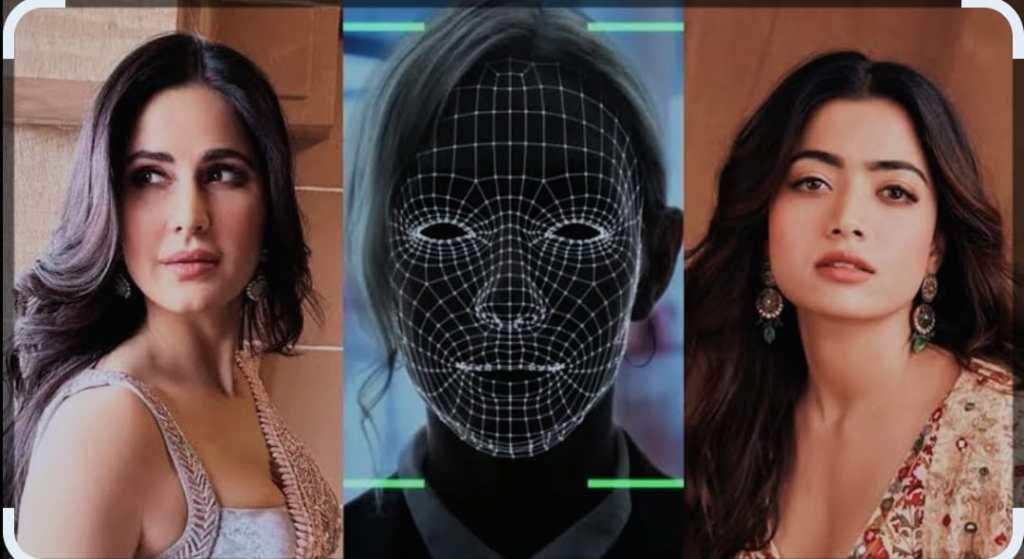
The gravity of the Deep Fake threat has not escaped the attention of political leaders. Prime Minister Modi, acknowledging the misuse of AI for creating deceptive videos, emphasizes the need for citizens and media to exercise vigilance. However, the sheer volume and anonymity of content on the internet pose challenges in regulating and penalizing those behind the creation and dissemination of Deep Fakes.
As Deep Fake technology proliferates, concerns extend beyond political and celebrity domains to encompass society at large. Politicians and cyber experts alike voice apprehensions about the widespread diffusion of Deep Fakes, foreseeing potential social unrest and legal dilemmas. The ease of access to Deep Fake tools raises questions about the existence of underground networks supporting such malicious applications.
Bridging the gap between rapidly evolving technology and legal frameworks becomes an urgent imperative. While existing laws, such as the IT Act, prescribe a 36-hour window for content removal, the real-time nature of Deep Fake propagation necessitates a reevaluation of these temporal constraints. Additionally, empowering victims with accessible legal recourse remains a pressing concern.
Examining global precedents, particularly the European Union’s discussions on creating a framework to address the menace of Deep Fakes, provides valuable insights. The necessity for India to craft a robust legal architecture capable of swiftly responding to AI-driven threats becomes evident. The urgency lies not just in adapting to technological advancements but in staying ahead of those who exploit them.
In the intricate dance between technology and society, the phenomenon of Deep Fakes emerges as a dark mirage, challenging the very foundations of truth and authenticity. The malevolent potential of AI, when wielded for deception, demands a collective and proactive response. As we navigate the uncharted territories of technological evolution, it is incumbent upon governments, tech giants, and society at large to collaborate in unmasking the shadows cast by Deep Fakes, ensuring a future where truth prevails over digital deception
visit arjasrikanth.in for more insights
 SOCIAL PERSPECTIVES