“Paving the Way for Progress: NHAI’s Land Acquisition Reimagined”
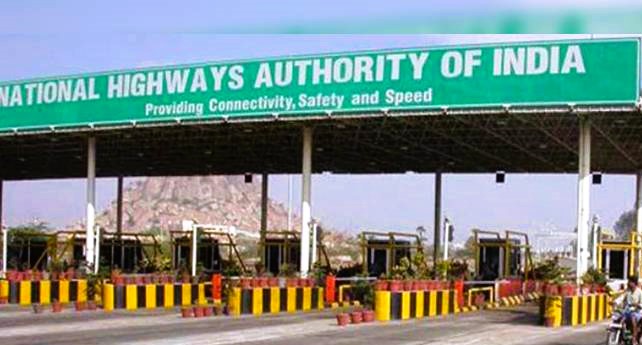
In the intricate dance of progress, where highways are the arteries of a nation’s growth, the National Highways Authority of India (NHAI) plays a pivotal role. However, the process of land acquisition, a necessary precursor to highway construction, often entangles itself in disputes, particularly when intertwined with the lives of farmers and local communities. To address these complexities, NHAI has embarked on a transformative journey, marked by progressive measures, social considerations, and a commitment to smooth project implementation.
Land acquisition in India, especially when involving agricultural or community land, is riddled with challenges. Litigations due to property inheritance, unrecorded multiple sales, land granted to SC/ST communities, and stringent resettlement and rehabilitation laws contribute to the complexity. These intricacies, in turn, result in prolonged delays, hampering infrastructure development and economic progress.
The NHAI Act, Section 3A, empowers the Central Government to acquire land for a public purpose, such as the construction, maintenance, or operation of national highways. This authority, however, comes with the responsibility of addressing the multifaceted challenges that accompany land acquisition.
One of the critical aspects of land acquisition is compensation. For non-urban agricultural land acquired by NHAI, compensation is calculated based on the market value, as per the ready reckoner or circle rates—whichever is higher. This compensation not only reflects the value of the land but also plays a crucial role in resolving disputes and ensuring the cooperation of affected landowners.
NHAI faces numerous challenges in land acquisition, including transparency concerns, concentration of authority with government officials, inadequate compensation, and insufficient rehabilitation and resettlement provisions. These issues, if left unaddressed, can lead to corruption, exploitation of farmers, and an increase in poverty. NHAI recognizes the need for a balanced and ethical approach to overcome these hurdles.

NHAI’s recent instructions indicate a paradigm shift in the land acquisition process. The focus is not only on the efficient execution of projects but also on considering the social aspects and aspirations of land losers. This shift aims to balance road connectivity projects’ swift implementation with a compassionate approach towards those directly impacted by land acquisition.
Incorporating technological solutions, NHAI utilizes the Gati Shakti Portal to verify the viability of proposed alignments. This portal ensures coordination with other departments or ministries, minimizing conflicts with existing or planned infrastructure projects. The digital integration through Gati Shakti reflects NHAI’s commitment to Prime Minister Modi’s vision of a National Master Plan for multimodal connectivity.

NHAI’s guidelines emphasize the timely approval of alignment and land acquisition plans. By consulting stakeholders and obtaining approvals by June 30 each year or within three months of project inclusion, NHAI aims to streamline the entire process. This proactive approach ensures that projects move forward without unnecessary delays, contributing to the nation’s growth trajectory.
Recognizing the socio-cultural norms and concerns surrounding land ownership, NHAI’s guidelines extend beyond the bureaucratic intricacies. The directives empower regional offices and project directors to collaborate with state governments and district authorities, aiming to update revenue maps and records. Additionally, NHAI may request a halt in land sale-purchase or changes in land use, safeguarding against speculative activities that could lead to an artificial rise in land costs.
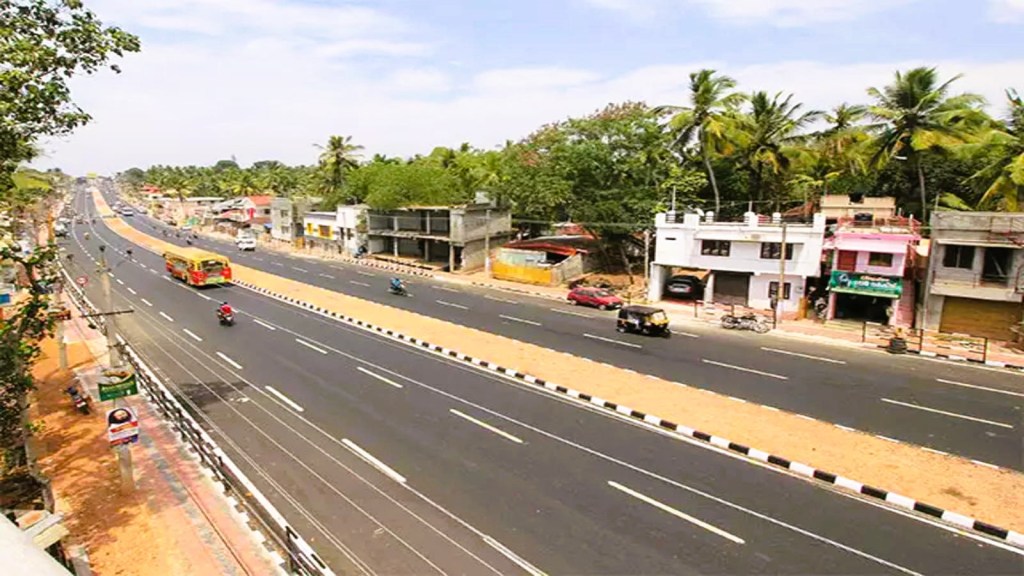
NHAI drafted new guidelines for land acquisition. It is a digital platform to bring 16 ministries together for integrated planning and coordinated implementation of infrastructure connectivity projects. As NHAI navigates the complex landscape of land acquisition, its recent initiatives signify a progressive leap. The balance between road connectivity ambitions and social responsibilities is crucial for the seamless implementation of projects. The commitment to transparency, timely approvals, and a compassionate approach echoes NHAI’s dedication to shaping a future where progress and social harmony coexist.
In the intricate dance of land acquisition, NHAI emerges not only as an authority with the power to build roads but as a catalyst for positive change. By considering the diverse perspectives of stakeholders, leveraging technology, and adhering to ethical practices, NHAI is not just paving highways—it’s paving the way for a more equitable and harmonious tomorrow.
visit arjasrikanth.in for more insights
 SOCIAL PERSPECTIVES