
“Six ‘Factory Busts’ Across Maharashtra Unveil a Disturbing Pattern – Narcotics Weaving Through the Social Fabric, Endangering the Youth.”
In recent weeks, Maharashtra has witnessed a string of significant operations, unearthing clandestine narcotics factories that are contributing to the escalating drug crisis in the region. These illicit operations, strategically located in Palghar, Pune, Nashik, Aurangabad, and Solapur, have become breeding grounds for synthetic drugs, casting a dark shadow over local communities and undermining the very fabric of society.
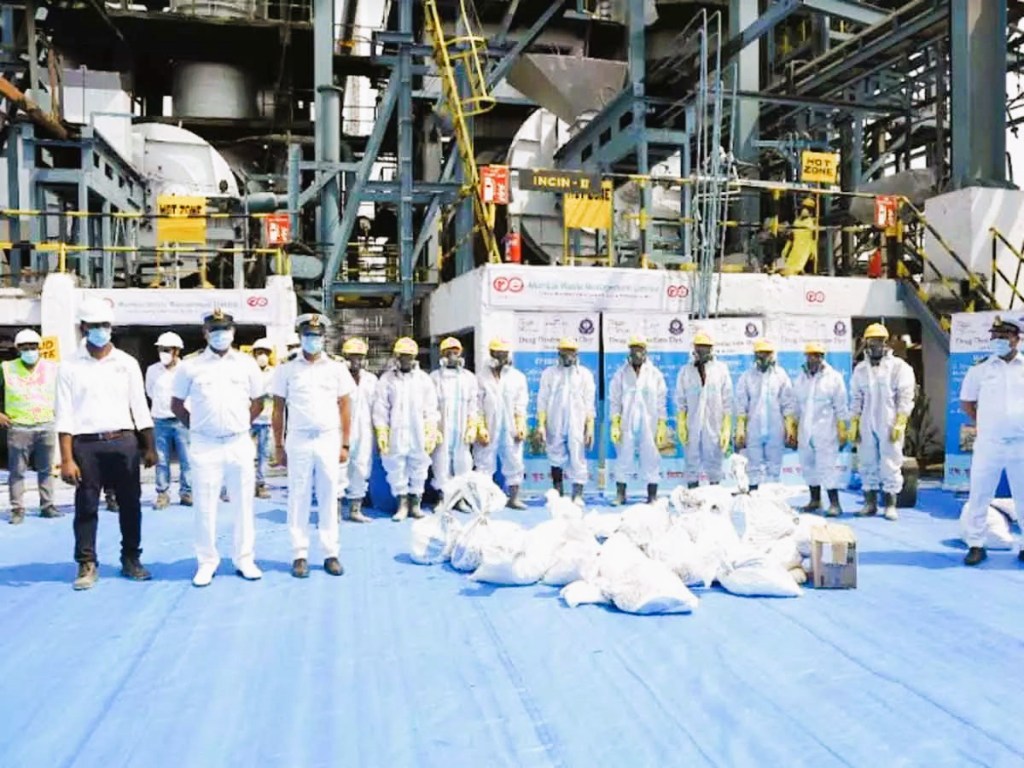
A stark revelation unfolded when law enforcement agencies, in collaboration with the Central Bureau of Narcotics Control, dismantled a narcotics factory operating in Maharashtra. This strategic bust was a culmination of weeks of investigation, resulting in multiple arrests and the confiscation of illicit drugs exceeding Rs. 5 crore in value. The operation sent shockwaves through the region, shedding light on the depth of the illicit drug trade.
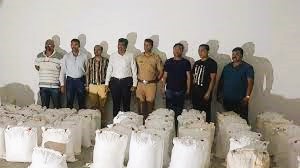
The raids conducted across Maharashtra in the past three weeks offer a glimpse into the modus operandi of local drug manufacturers. These operations, often orchestrated through family networks and pop-up factories, provide a disturbing insight into how synthetic drugs are finding their way into local communities, silently corroding the social fabric.
In a recent operation, the police seized a staggering amount of mephedrone (MD), valued at Rs. 36.9 crore, and apprehended seven individuals. The raid, conducted at a drug manufacturing unit in Palghar district, revealed the extent of the narcotics trade. The confiscated drugs, machinery, and accessories were only the tip of the iceberg.
The arrested individuals were found in possession of liquid and powder raw materials, chemicals, firearms, and ammunition. This alarming discovery emphasizes the need for stringent measures to curb the proliferation of narcotics, which not only jeopardizes the health of individuals but also poses a significant threat to the safety and well-being of the community.
The crackdown on illicit narcotics isn’t a standalone event; it is a result of meticulous planning and collaboration among law enforcement agencies. The trail often begins with tip-offs and intelligence gathering. In one instance, a raid on a hotel led to the arrest of several individuals and the seizure of a substantial quantity of mephedrone, firearms, and cash.
These arrests served as a domino effect, leading the police to individuals higher up in the narcotics chain. As the web unraveled, it exposed a sophisticated operation run by individuals with diverse backgrounds – from event organizers to businessmen and civil contractors. This eclectic mix highlights the complexity of the narcotics trade and the diverse individuals involved in its propagation.
Narcotics, once manufactured, find their way to consumers through a complex network involving drug peddlers. These peddlers, often controlled by higher-ups known as drug leaders, create a bridge between the factory operations and the end users. Beyond drug leaders, the intricate hierarchy extends to drug mafia kingpins who orchestrate large-scale trafficking operations. Traditionally, narcotics were plant-based, sourced from regions like Afghanistan and South America. However, the landscape has shifted, with synthetic drugs flooding the market. Maharashtra, particularly in Mumbai, Pune, Solapur, and Nasik, has become a hotspot for synthetic narcotic drug manufacturing.
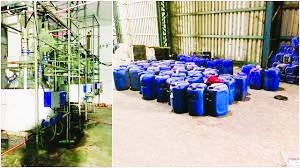
Synthetic drug manufacturing has evolved into a small-scale industry, requiring minimal infrastructure and a select set of skills. Unlike plant-based narcotics, synthetic drugs like mephedrone are easier to produce and distribute, making them an attractive option for those involved in the illicit trade. From a cost perspective, synthetic drugs offer a more economical alternative. One gram of high-quality cocaine can cost between Rs. 8,000 to 10,000, while mephedrone, a synthetic drug, comes at a lower cost, less than Rs. 5,000. The affordability, coupled with its perceived effects, has contributed to the rise in the demand for synthetic narcotics.
The manufacturing process of synthetic drugs, often conducted in isolated rented buildings, operates on a five-day cycle. A qualified doctor and pharmacist are the key players in this dark industry. In a month, over 20 kg of synthetic drugs can be produced, generating profits exceeding a crore rupees if distributed efficiently. However, the ease of production comes at a significant cost to public health. Individuals addicted to synthetic narcotics often experience adverse health effects, and the cosmetic changes are glaring. Despite the inherent risks and dangers associated with these drugs, the allure of quick profits has fueled the growth of this small-scale industry.
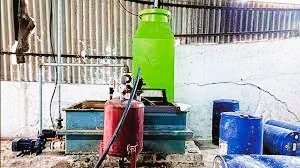
Law enforcement agencies have identified these illegal businesses as family-run operations. With limited chances of information leaks, these factories can be set up and run by 3-4 family members, resembling a cottage industry. The distribution network is often handled by trusted relatives, creating a tightly-knit operation that is difficult to infiltrate. The manufacturing process emits a distinct odor, prompting these units to be located near other facilities with strong smells, such as drug factories, poultry farms, and often during the rainy season when the smell is less noticeable. Residue disposal is done discreetly, usually in pits, further complicating the task of law enforcement.
Most of these narcotics businesses operate under the radar, presenting a challenge for law enforcement. However, local vigilance can play a pivotal role in controlling the spread of synthetic narcotics. The close-knit nature of these family-run operations means that increased vigilance at the local police station level can be an effective strategy in curbing their activities.
As Maharashtra grapples with the fallout of these factory busts and the pervasive narcotics menace, a concerted effort is required on multiple fronts. From intelligence gathering to strategic raids and community awareness, the fight against illicit narcotics demands a comprehensive and collaborative approach.
The recent surge in synthetic drug factories in Maharashtra has sounded an alarm, urging authorities to address the issue with urgency and determination. Beyond law enforcement, there is a need for community engagement, rehabilitation programs, and awareness campaigns to shield the youth from the clutches of narcotics.
In conclusion, the battle against illicit narcotics is not just a legal or law enforcement issue; it’s a societal challenge that requires a unified front. Maharashtra, and indeed the entire nation, must come together to break the chains of this synthetic onslaught, safeguarding the well-being of its youth and preserving the social fabric that binds communities together.
visit arjasrikanth.in for more insights
 SOCIAL PERSPECTIVES