
In the intricate landscape of global sports, cricket, epitomized by the Board of Control for Cricket in India (BCCI), stands as an unparalleled force. As the wealthiest cricket governing body globally, the BCCI not only shapes the destiny of Indian cricket but also exerts influence on the international stage. However, the magnanimity of cricket’s financial prowess brings forth the imperative for broader social engagement & responsibility within sports organizations. This article navigates through the complexities of the BCCI’s financial might, scrutinizes its tax implications, and advocates for a fundamental shift in the approach of all sports bodies—making sporting events not just competitions but holistic experiences deeply rooted in social engagement.
Established in 1928, the BCCI has metamorphosed into the richest cricket governing body worldwide, headquartered in Churchgate, Mumbai. As a private entity, it operates autonomously, outside the purview of the National Sports Federation of India, standing tall as a financial powerhouse. The BCCI’s financial prowess is underscored by its staggering earnings of ₹6,558 crore (US$820 million) in the fiscal year 2022-2023, with a substantial chunk emanating from the Indian Premier League (IPL), one of the globe’s wealthiest sports leagues.

Despite its designation as a charitable organization, rendering it exempt from income tax, the BCCI finds itself entangled in the intricate web of taxation complexities. The Income Tax Act stipulates that income generated by the BCCI is taxable, prompting a noteworthy payment of ₹4,000 crore (US$500 million) in taxes for the fiscal year 2022-23. Interestingly, the BCCI’s commitment extends beyond its own obligations, as it voluntarily undertook to pay ₹963 crore in taxes on behalf of the International Cricket Council (ICC) for the 2023 Cricket World Cup.
A crucial question arises—does the BCCI truly qualify as a charitable entity? Its exemption from income tax, coupled with substantial revenue from commercial ventures like the IPL, raises legitimate concerns. The intricacies of its legal standing came to the forefront during an appeal before the Income Tax Appellate Tribunal (ITAT), where the BCCI’s income tax payment of over ₹3,500 crore from 2008 to 2018 was made “under protest.”
To comprehend the BCCI’s global standing, a comparative analysis of other cricket boards’ net worth becomes imperative. With a reported net worth of $2.25 billion, the BCCI surpasses Cricket Australia ($79 million) and the England and Wales Cricket Board (ECB) ($59 million), prompting both admiration and scrutiny. The BCCI’s financial clout extends its influence over the International Cricket Council (ICC), slated to earn nearly $230 million annually from 2024 to 2027, constituting 38.5% of the ICC’s approximate yearly earnings. This lopsided share sparks discussions on the fairness and equity of the global cricketing ecosystem.
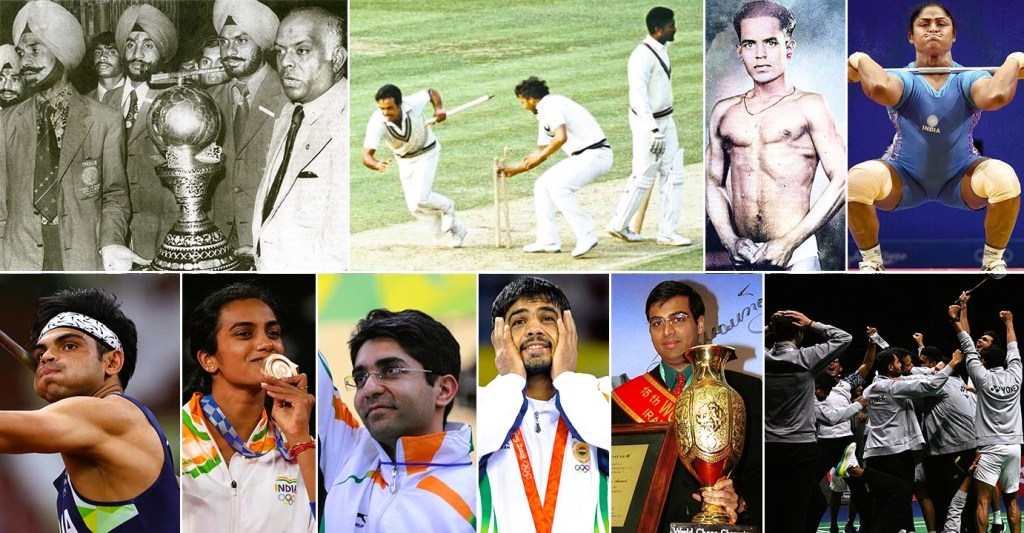
The IPL, a global cricketing extravaganza, not only serves as a substantial revenue source for the BCCI but also unfolds intriguing taxation dynamics. Its exemption from tax, validated by the ITAT, hinges on the premise that, despite being a lucrative commercial enterprise, the IPL aligns with the objective of promoting cricket—a facet that warrants contemplation.
Beyond the labyrinth of financial prowess and taxation intricacies, a poignant narrative surfaces—one that advocates for active social engagement & responsibility from sports bodies. This transcends the realm of competition, urging cricket boards and sports organizations to make their events more attractive and inclusive.
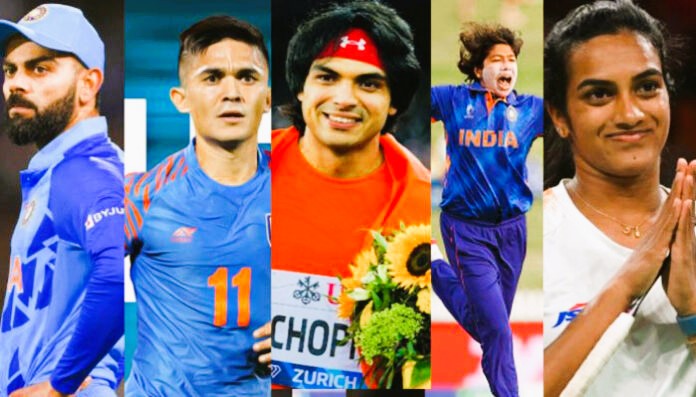
As sports bodies organize grand events, a paradigm shift is urged to transform these experiences into more than mere competitions. Engaging the public, fostering community involvement, and creating an environment that transcends the competition itself contribute to the holistic allure of sporting events.
While cricket takes the centre stage in this discourse, the broader message resonates with all sports bodies, from football, Athletic, Kabaddi to tennis. The mandate is clear: prioritize social engagement and responsibility. The net worth and revenue of sports bodies should not solely be utilized for the betterment of the sport but for initiatives that contribute to societal well-being through sports .
Social engagement and responsibility in sports goes beyond philanthropy; it calls for transparency, equity, and conscientious practices. Sports bodies should not only champion fair play on the field but also exhibit fairness in resource distribution, ensuring that financial prowess translates into positive social impact.
In the dynamic realm of sports governance, the BCCI’s financial dominance underscores both its achievements and challenges. As discussions unfold regarding taxation and charitable status, a broader narrative materializes—one that envisions sports bodies as catalysts for positive societal change. The BCCI, with its influence, possesses the potential to set a precedent for others to follow, championing social engagement & responsibility as an integral part of sports governance.

The journey toward making sporting events more attractive and socially engaging is not merely a responsibility; it is a collective commitment to shaping the future of sports—a future where the thrill of competition converges with the warmth of community and the power to effect positive change.
visit arjasrikanth.in for more insights
 SOCIAL PERSPECTIVES