Obsessive-Compulsive Disorder affects millions globally, with profound consequences on daily routines, personal connections, and mental health.

Obsessive-Compulsive Disorder (OCD) is a pervasive mental health challenge affecting around 2 to 3 percent of the global population, with a profound impact on individuals’ daily lives. This article delves into the multifaceted aspects of OCD, exploring its effects on daily life, personal relationships, and overall mental well-being.
OCD manifests through intrusive, unwanted thoughts (obsessions) and repetitive, distressing rituals (compulsions). Despite an awareness of the irrationality behind these actions, individuals find it challenging to resist the compulsions.

Living with OCD creates a constant internal struggle. Individuals grapple with obsessions ranging from contamination fears to thoughts about harm, perfectionism, or unwanted sexual images. Compulsions, such as excessive washing or repetitive checking, provide only temporary relief, making daily activities a daunting challenge.
OCD casts a long shadow over personal relationships. In romantic partnerships, the incessant need for reassurance can lead to emotional exhaustion for both parties. Relationship OCD, characterized by constant questioning about the relationship’s validity, creates heightened anxiety and intimacy issues. Family and friends often become inadvertently entwined in the web of OCD rituals, demanding patience and understanding.
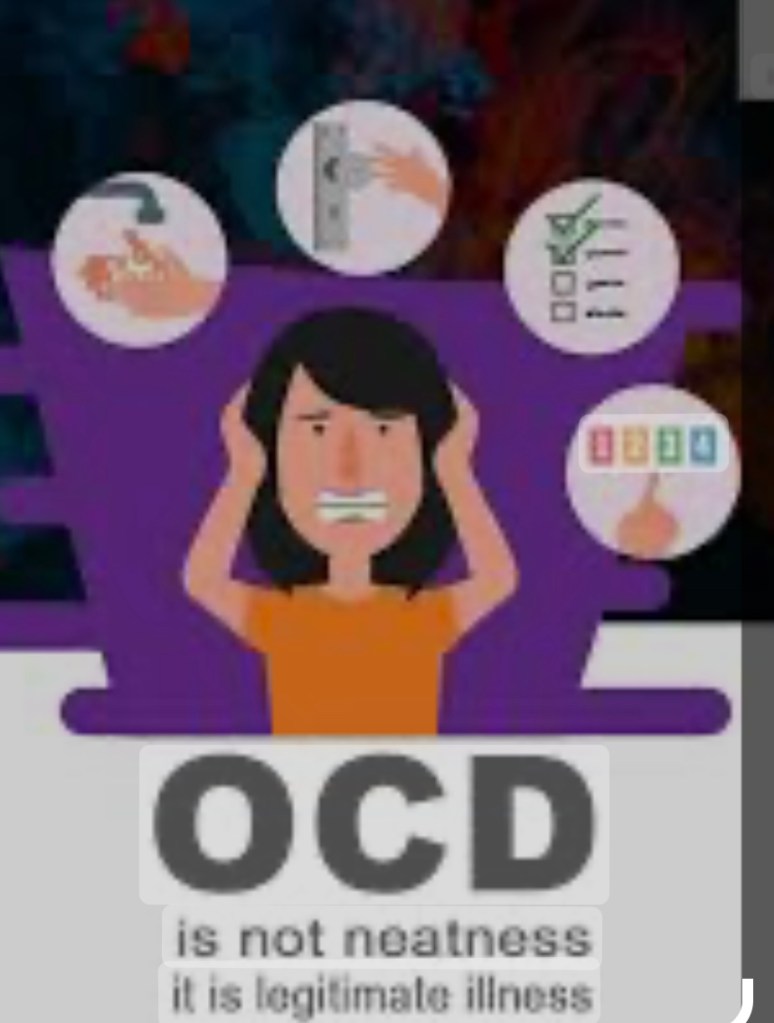
The impact of OCD extends to the workplace, affecting productivity, performance, and relationships with colleagues. Many individuals with OCD suffer in silence, fearing discrimination and potential career setbacks. The pervasive nature of OCD also hampers social interactions, as the fear of judgment and misunderstanding causes many to suffer silently, compounding feelings of isolation.
Scientific studies dating back to the 1980s reveal distinctive patterns in brain regions associated with OCD, including the orbitofrontal cortex and basal ganglia. The disorder results from faulty information processing, with the brain hyperactive in recognizing threats. Genetic factors, brain abnormalities, and environmental stress contribute to the development of OCD.

Diagnosing and treating OCD is crucial for effective management. Cognitive-behavioral therapy (CBT), including exposure and response prevention, proves highly effective in challenging thought patterns. Medications targeting neurotransmitters, particularly serotonin, are also common. Support groups provide positive reinforcement, emphasizing that with proper intervention, individuals with OCD can lead normal lives.
Obsessive-Compulsive Disorder is a complex and challenging mental health condition that goes beyond mere quirks or preferences. Its impact on daily life, relationships, and mental well-being is profound. By fostering understanding, seeking professional help, and providing support, society can contribute to breaking the chains of OCD and enabling those affected to lead fulfilling lives. Let us strive for a world where the stigma surrounding OCD is dismantled, and compassion prevails.
Visit arjasrikanth.in for more insights
 SOCIAL PERSPECTIVES
One response to “Unraveling the Web of Obsessive-Compulsive Disorder: Impact on Daily Life, Relationships, and Mental Well-being”
Nice article. It’s a silent struggle for the affected persons
LikeLike