“The Future Is Magnetic – Unveiling the Key Role of Rare Earth Minerals in the Global Economic Landscape”

As we step into the future, one group of elements is emerging as the silent architects of the global economic landscape – rare earth minerals. Among these, Neodymium (Nd) and Praseodymium (Pr) are taking center stage, steering the course of the world’s economic destiny. Why the spotlight on these elements? The answer lies in their pivotal role in the energy transition, particularly in the production of permanent magnets used in wind turbines and electric vehicles. The allure of rare earths for 2023 is not just about their scarcity but their indispensable contribution to the burgeoning clean energy economy.
Rare earths, especially Neodymium and Praseodymium, are the unsung heroes of the energy transition. These elements are the backbone of the permanent magnets that power wind turbines and propel electric vehicles. In a world increasingly pivoting towards clean energy solutions, the demand for rare earths is soaring. These minerals are not mere commodities; they are the essential ingredients in the recipe for a sustainable future. The clean energy revolution hinges on their availability, making them the linchpin of global economic transformation.
The future of rare earth elements is intricately linked to the clean energy imperative. As the world races towards adopting e-mobility and wind power, the demand for rare earths, particularly Neodymium and Praseodymium, remains robust. In 2022, global consumption touched 164,000 tonnes of Total Rare Earth Oxide (TREO). Projections for 2032 are even more promising, with an anticipated surge to 231,000 tonnes. The trajectory is clear – rare earths are not just a commodity; they are the currency of the clean energy economy.

The market for rare earth elements is a dynamic arena, and its dynamics are further influenced by global events such as the COVID-19 pandemic. In 2022, the global Rare Earth Elements market was estimated to be worth USD 2821.3 million. Adjusting for the pandemic’s impact, forecasts indicate a readjusted size of USD 3979.4 million by 2028, exhibiting a Compound Annual Growth Rate (CAGR) of 5.9%. The market is not just growing; it’s evolving, reflecting the shifting priorities of a world in transition.
While the demand for rare earths is skyrocketing, questions about their longevity linger. Historically, demand has surged at an alarming rate of about 10 percent per year. If this trend persists, and with no substantial recycling efforts, known reserves could deplete post-mid-21st century. The urgency to find sustainable solutions, explore alternatives, and invest in recycling technologies has never been more critical.
China’s stranglehold on rare earth production is a geopolitical reality that cannot be ignored. Being the largest producer, generating 0.21 million metric tons in 2022 and holding 44 million metric tons in reserves, China is the unrivaled giant in the rare earth arena. Controlling 60% of global production and a staggering 85% of processing capacity, China’s dominance raises concerns about supply chain vulnerabilities and geopolitical implications.
Beyond the realms of clean energy, rare earths find themselves deeply embedded in our daily lives. The glass industry emerges as the largest consumer of Rare Earth Element (REE) raw materials, using them for glass polishing and as additives that provide color and special optical properties. Lanthanum, a rare earth element, plays a crucial role in digital camera lenses, constituting up to 50 percent, including those in cell phone cameras. The unseen influence of rare earths in our everyday objects underscores their omnipresence.
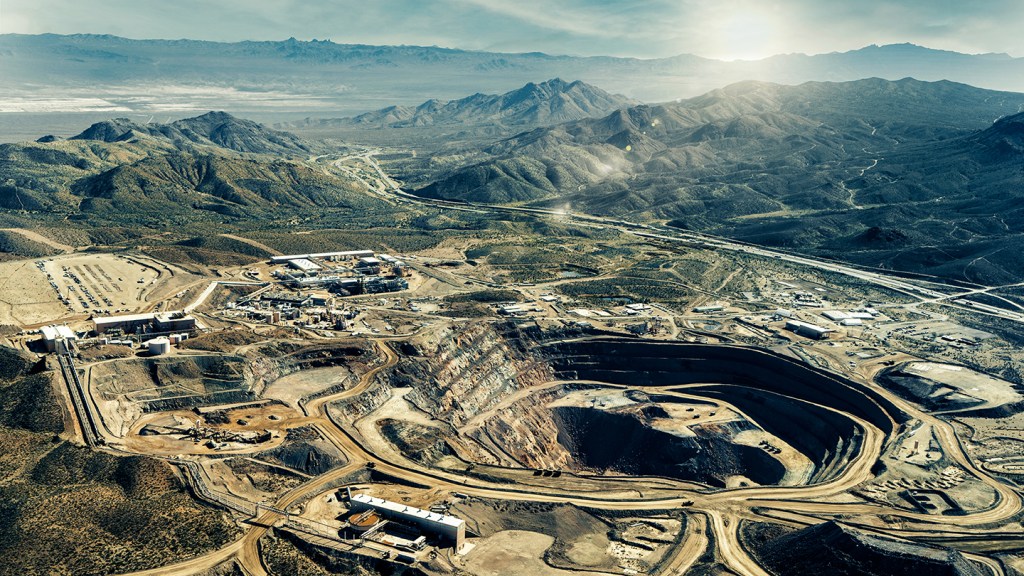
The journey from the ground to our devices is not without its challenges. Rare earth mining, often involving vast open pits, can contaminate the environment and disrupt ecosystems. Poorly regulated mining practices contribute to the creation of wastewater ponds filled with acids, heavy metals, and radioactive materials. These environmental concerns shed light on the darker side of the rare earth story, demanding a reevaluation of extraction methods and sustainable practices.
Amidst concerns of depletion and environmental impact, the silver lining lies in the recyclability of rare earths. Like most metals, rare earths can be recycled, offering a sustainable solution to the growing demand. Recycling not only contributes to environmental preservation but also safeguards against the looming scarcity of these critical minerals.
In the quest for alternatives to rare earth elements, iron-nitride emerges as a potent candidate. Theoretically more than twice as strong as rare earth magnets, iron-nitride is built from the most common elements on Earth – iron and nitrogen. Not only does it promise comparable strength, but it also offers a more cost-effective solution, challenging the conventional dominance of rare earth magnets.
For investors eyeing the future, rare earth companies present an intriguing opportunity. Tronox Holdings plc, Materion Corporation, Freeport McMoRan Inc., BHP Group, MP Materials, and Texas Mineral Resources are among the key players in this dynamic market. As the rare earth landscape evolves, these companies play a pivotal role in shaping the trajectory of global economic trends.
In the race for energy independence and containing China’s monopoly, Sweden’s LKAB has uncovered nearly one million metric tons of rare earth elements. This discovery ignites hope in the West’s pursuit of energy sovereignty. The geopolitics of rare earth elements are taking center stage, with nations vying for control over these strategic resources.

As the world hurtles towards a future dominated by clean energy, the significance of rare earth elements cannot be overstated. They are the invisible architects of our transition, powering wind turbines, electric vehicles, and the technology that defines our daily lives. The demand is soaring, and the geopolitical landscape is shifting. Whether through recycling, exploring alternatives, or discovering new sources, the future of rare earths is both a challenge and an opportunity. In the intricate dance of supply and demand, recycling and exploration, rare earths are weaving a narrative that will shape the global economy for years to come.
visit arjasrikanth.in for more insights
 SOCIAL PERSPECTIVES