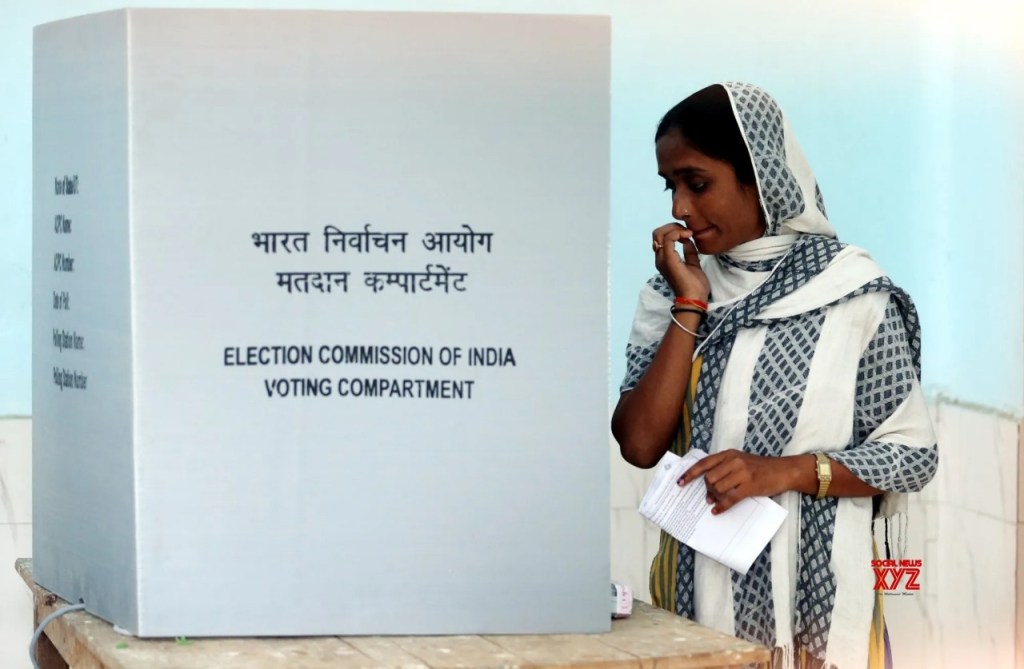
“Navigating the Maze of Limited Choices in the Democratic Labyrinth”
In the vast expanse of India, a nation pulsating with diversity and vibrancy, the cornerstone of governance is the democratic process. However, as millions of voters queue up at polling booths, they find themselves trapped in a paradox – the illusion of choice in a system that often presents them with limited alternatives. The stark reality is that, in many instances, voters are compelled to choose between the lesser of two evils, casting their fate for the next five years with a sense of resignation.
India, with its colossal population of 1.4 billion, boasts a staggering 950 million eligible voters. Yet, despite this mammoth electoral force, the choices for the electorate often seem confined to the ruling party or the opposition. In a system where money and muscle power often influence candidate selection, the voter is left with the unenviable task of electing a representative from a pool often marred by questionable credentials.
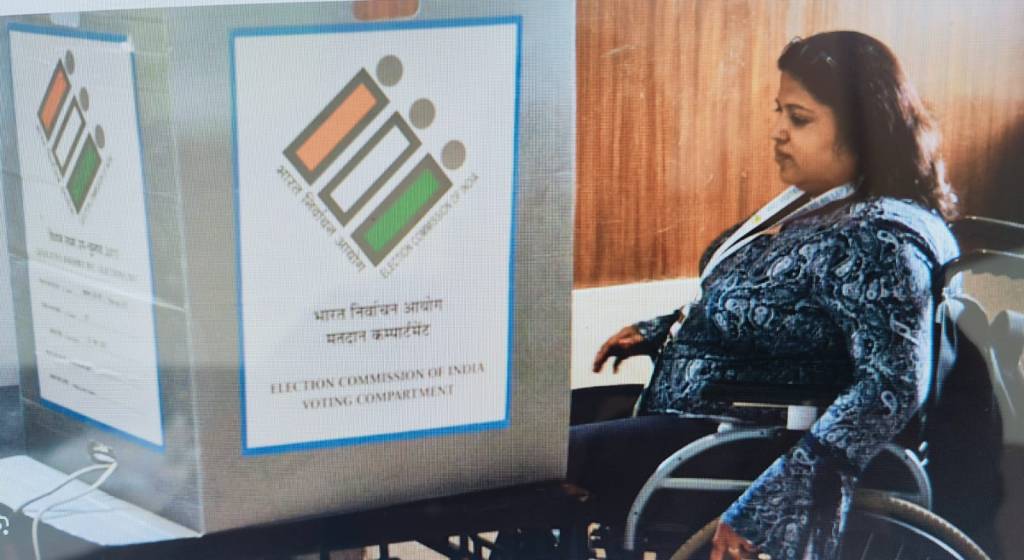
As the democratic process unfolds, the scenario at the polling booth paints a picture of top-down decision-making. The choices available to the voter are typically dictated by the decisions made at higher echelons of political power. Factors like financial backing and political muscle frequently supersede merit and public service in the selection of candidates. Consequently, the voter’s decision is constrained to choosing between candidates whose suitability may be questionable, leaving them in a quandary. In many constituencies, the voter finds themselves in a peculiar situation – caught between the devil and the deep blue sea. The prevalent practice of fielding candidates based on their financial prowess and political influence narrows down the options for the electorate. Thus, the democratic ideal of representing the diverse voices of the people gets overshadowed by the dominance of a binary political landscape.
dding a layer of complexity to the limited choices is the disconcerting prevalence of criminal charges against political representatives. Recent estimates suggest that over 40% of elected representatives at various levels face pending criminal charges. While the Supreme Court has directed an expedited resolution of these cases, the influence of individuals with criminal backgrounds in the electoral process remains a lingering concern. The directive from the apex court to fast-track criminal cases against politicians is a step towards minimizing the influence of those with questionable records. However, the protracted legal processes involved in these cases make it a slow and arduous journey. The shadow of criminality continues to loom large over the democratic landscape, restricting the voter’s ability to choose from a pool free of legal taints.
At both the national and state levels, the voter often finds themselves hemmed in by the overarching dominance of the ruling and opposition parties. To be a formidable contender, a political party must first traverse the challenging terrain of becoming a prominent opposition force. This uphill battle further diminishes the options available to the voter. In essence, the democratic exercise transforms into a dualistic choice – the ruling party or the opposition. The third-party struggle to ascend to the opposition’s level and present a credible challenge becomes a monumental task, limiting the voter’s spectrum of choices. The political landscape becomes a battleground of two, with the third contender striving to break free from the constrictions imposed by the established players.
An intriguing aspect of the electoral process is the mathematical quirk that allows a candidate with a mere 34% vote share to emerge victorious in a three-cornered contest. This anomaly underscores the significance of consolidating votes, emphasizing the potential impact of minor groups on determining a candidate’s fate. While choice might exist on paper, the numerical requirements for victory often favor those who can secure a concentrated support base. This peculiar phenomenon creates a dynamic where smaller groups, through strategic voting, hold the key to deciding the fate of candidates. It is a fascinating interplay of numbers and alliances that can significantly influence electoral outcomes. However, this intricacy coexists with the overarching reality that the ultimate selection of leaders is often determined by high commands and established power structures rather than the nuanced will of the people.
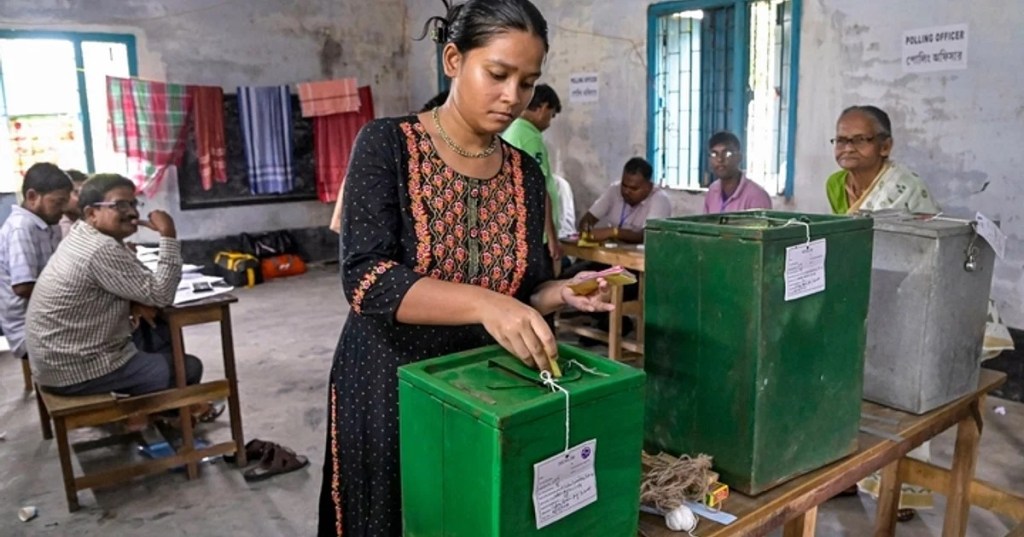
As India marches forward in its democratic journey, the limited choices presented to the voter remain an enigmatic paradox. The vastness of the electorate, encompassing 950 million voices, belies the reality of a political landscape often dominated by a binary narrative. The voter, standing at the crossroads of decision-making, is frequently left with options that fail to capture the diversity and aspirations of the nation. While the democratic ideal emphasizes representation and choice, the ground reality often paints a different picture. The influence of money, muscle, and a limited spectrum of political players diminishes the voter’s ability to exercise a truly meaningful choice. The persistent shadows of criminality further complicate the decision-making process.
In this labyrinth of limited choices, the Indian voter remains a resilient participant in the democratic process, navigating the complexities of a system that, despite its imperfections, remains a beacon of collective decision-making. The challenge ahead lies in recalibrating the democratic compass to ensure that the choices presented to the voter are reflective of the nation’s diversity and the multitude of voices that collectively shape its destiny.
Visit arjasrikanth.in for more insights
 SOCIAL PERSPECTIVES