Realities of Human Trafficking and the Call for Stringent Action”
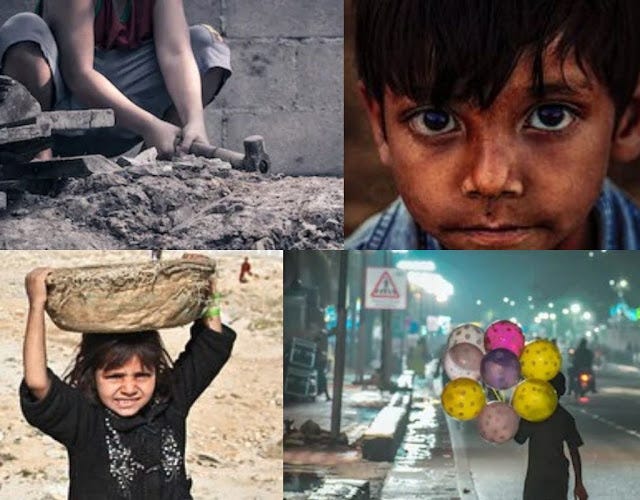
In the shadows of our global society, a sinister force threatens the very essence of humanity — human trafficking. This harrowing reality involves the forced exploitation of individuals, predominantly women and children, subjected to sex trafficking, forced labor, and involuntary servitude. The consequences of this global problem extend far beyond individual suffering, causing physical, sexual, and psychological harm. As we delve into the pitiable conditions of trafficked persons, especially children, the urgent need for stringent rules to contain this menace becomes apparent.
Human trafficking spares no community or nation. Its victims endure unimaginable trauma, abuse, disability, violence, family breakdown, homelessness, poverty, illiteracy, malnutrition, and a myriad of other factors that strip away their basic human rights. The extent of this menace is alarming, with 7 in 10 human trafficking victims being women and girls. The effects ripple through families, communities, and entire nations, leaving a trail of devastation that goes beyond physical boundaries.
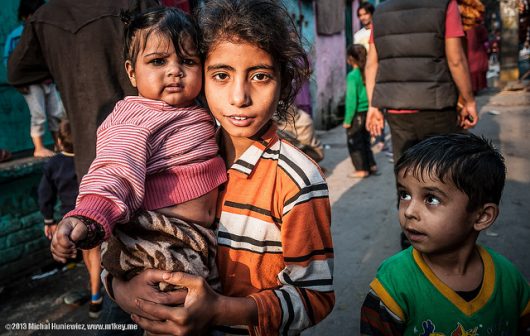
Recognizing the severity of this issue, the Alliance against Trafficking in Persons has emerged as a global forum. Comprising international, non-governmental, and inter-governmental organizations, this alliance joins forces to prevent and combat human trafficking. The UN Human Rights Office actively contributes to this alliance, emphasizing the collective responsibility to eradicate this grave violation of human rights.
Human trafficking manifests in various forms, each equally destructive. From bonded labor and involuntary servitude among migrant laborers to involuntary domestic servitude and forced child labor, the breadth of exploitation is vast. The sinister inclusion of child soldiers and the rampant issue of sex trafficking and prostitution further highlight the urgency of addressing this multifaceted problem.
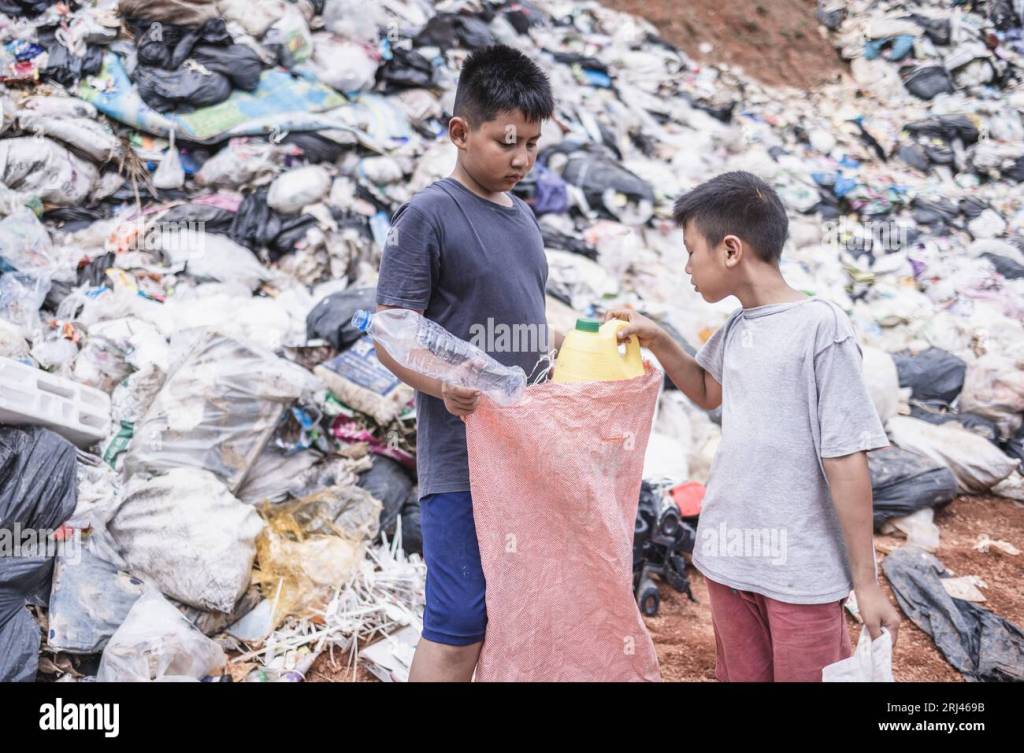
International law plays a crucial role in combating human trafficking. Article 5 of the protocol mandates states to criminalize trafficking in any form, holding them accountable for attempted trafficking or involvement in organizations engaged in trafficking. The implementation of this protocol falls under the purview of the United Nations Office on Drugs and Crime (UNODC). By establishing legal frameworks, the international community seeks to create a robust defense against the trafficking epidemic.
Trafficked persons face a myriad of health-related problems, ranging from physical violence and sexual exploitation to psychological abuse and exposure to diseases. The long-lasting consequences on their physical, reproductive, and mental health underscore the urgency of addressing human trafficking not only as a social issue but as a public health crisis.
Recent events, such as the raids conducted by the National Investigation Agency (NIA) in states like Karnataka, Kerala, and Bihar, shed light on the pervasive nature of human trafficking. The crackdown on human trafficking modules and the apprehension of operatives emphasizes the need for proactive measures to dismantle illegal networks.
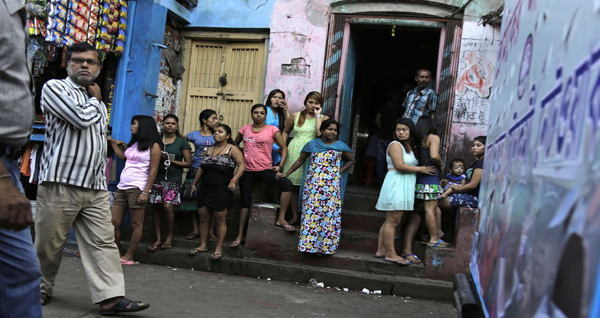
As we confront the pitiable conditions faced by trafficked persons, especially children, it becomes evident that the fight against human trafficking requires a multi-pronged approach. Stringent legal frameworks, international collaboration, and proactive law enforcement are essential components in this battle for justice. While recent actions by entities like the NIA signal progress, there is a collective responsibility to shine a light on the darkest corners of society and eradicate the scourge of human trafficking. Only through unwavering commitment, stringent rules, and global cooperation can we hope to create a world where every individual lives free from the shackles of exploitation and fear.
visit arjasrikanth.in for more insights
 SOCIAL PERSPECTIVES