The Alarming Reality: 40% of Sitting MPs Have Criminal Cases
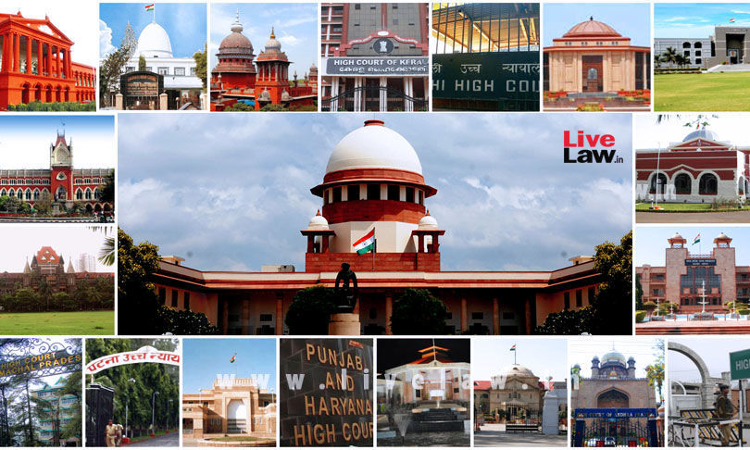
In the landscape of Indian democracy, the recent directive from the Supreme Court to fast-track criminal trials against Members of Parliament (MPs) and Members of Legislative Assemblies (MLAs) serves as a critical intervention. As of today, 9th November, the Chief Justices of all high courts have been tasked with forming special benches to monitor these trials, a move aimed at addressing the alarming prevalence of criminal charges against elected representatives.
A recent report by the Association of Democratic Reforms (ADR) and New Election Watch (NEW) sheds light on the disconcerting fact that 40% of sitting MPs have declared criminal cases against themselves. This revelation, coupled with the gravity of these charges, including murder, attempt to murder, kidnapping, and crimes against women, underscores the urgency for a robust judicial response.
In a democracy, where elected representatives are meant to be the pillars of governance, the prevalence of criminal charges among them raises serious questions about the health of our democratic institutions. It is imperative that the rule of law prevails, and those entrusted with the responsibility of shaping the nation’s future are held accountable for their actions.
The recent directive from the Supreme Court, led by Chief Justice DY Chandrachud, comes in response to a petition filed by advocate Ashwini Upadhyay. The petition highlighted the severity of the situation, with data presented by advocates Vijay Ansari and Upadhyaya indicating that over 860 serious charges are pending against 194 MPs.
The court’s directive empowers high courts to form special benches that will monitor criminal trials against MPs and MLAs. This proactive stance recognizes the constitutional authority of high courts over district courts, emphasizing their capacity to oversee these trials effectively. The move is a crucial step towards establishing accountability and ensuring that elected representatives are not beyond the reach of the law.
To address the backlog of cases and expedite justice, the Supreme Court has outlined specific guidelines. High Court Chief Justices are directed to register a suo motu case titled “In Re Designated Courts for MPs/MLAs” to monitor the early disposal of pending criminal cases against elected representatives. This special bench, led by the Chief Justice or a designated judge, will hear the case at regular intervals, ensuring expeditious proceedings.
The prioritization of criminal cases against MPs and MLAs, especially those punishable with death or life imprisonment, is a significant aspect of the guidelines. The court emphasizes that trial courts should not adjourn cases except for compelling reasons, minimizing delays that often contribute to prolonged legal battles.
To further ensure transparency, the high courts are mandated to maintain a district-wise information tab on their official websites. This tab will provide detailed information about the filing year, the number of pending cases, and the current stage of proceedings. This transparency measure aims to keep the public informed and enhance accountability in the justice delivery system.
The Supreme Court’s directive is not merely a legal manoeuvre; it is a decisive step towards preserving the sanctity of democracy. As the nation grapples with the stark reality that a significant percentage of elected representatives face criminal charges, the need for swift and impartial justice becomes paramount.
In a democracy, the elected representatives are meant to reflect the will and aspirations of the people. When these representatives carry the baggage of criminal charges, it not only erodes public trust but also jeopardizes the very foundations of democratic governance. The Supreme Court’s guidelines for expediting criminal cases against elected representatives are, therefore, not just a legal imperative but a moral obligation to uphold the principles of justice and accountability.
As the high courts embark on this crucial mission to monitor and expedite these cases, the nation watches with anticipation. The outcomes of these proceedings will not only shape the fate of individual politicians but will also set a precedent for the future. The message is clear: no one, regardless of their political stature, is beyond the rule of law. Only through swift and impartial justice can we ensure that our democracy remains vibrant, accountable, and free from the shadows of criminality.
visit arjasrikanth.in for more insights
 SOCIAL PERSPECTIVES