The strategic partnership between the US and India aims to create a win-win situation by utilizing the technical know-how of India and developing high-quality infrastructure in Sri Lanka. The Adani Colombo port terminal project holds the key to containing others influence in the region.
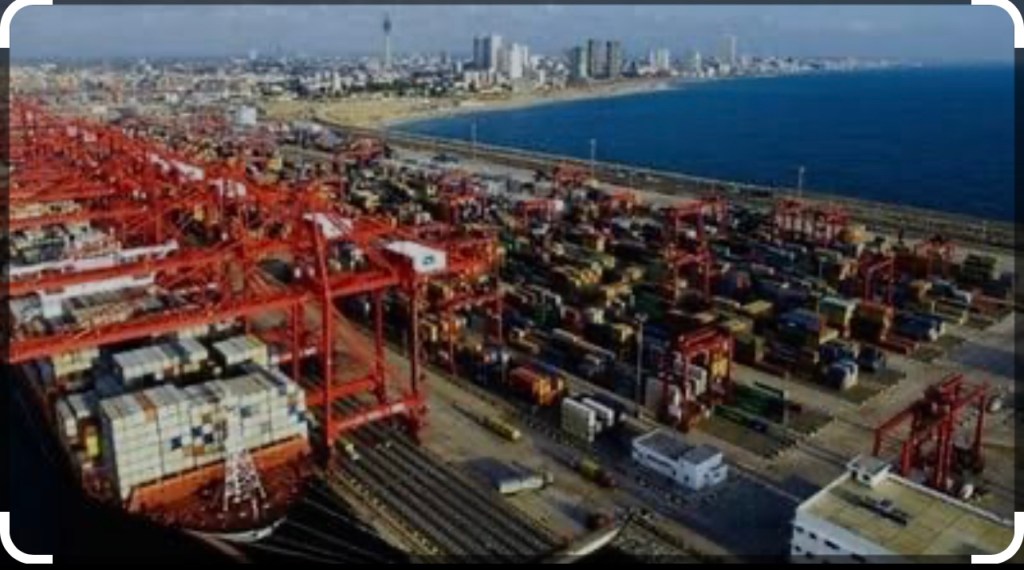
In a significant move, the United States has announced a loan of $553 million to build a new terminal at Sri Lanka’s Colombo port. This project, led by a consortium in which India’s Adani group holds a 51% stake, marks an increasing cooperation between the US and India to counter China’s influence The focus is on developing quality infrastructure in Sri Lanka, with the aim of creating a win-win situation for all parties involved.
Developed countries like America play a crucial role in supporting and financing infrastructure projects in developing nations. The American Government have chosen to support Adani Ports due to their strong belief in the company’s ability to deliver high-quality infrastructure within specified time schedules. The whole world is watching the Adani Colombo port terminal project, recognizing its potential for success.
India, a developing country with advanced technical expertise, brings valuable logistics and manpower to the table. The collaboration between India’s Adani group, Sri Lanka’s John Keynes holdings, and the Sri Lanka ports authority ensures a well-rounded approach to the project. Leveraging India’s technical know-how, combined with local knowledge and American funding, opens up avenues for success.
The Colombo port, being the largest port in Sri Lanka, has immense potential due to its strategic location. It handles more than 7 million TEU of cargo and serves as a crucial link between West Asia and major Asian economies. The US announcement plays a vital role in enhancing the port’s potential and developing world-class infrastructure. This collaboration aims to create a template for future projects, setting a benchmark for quality infrastructure development.
China’s presence and influence in Sri Lanka through various projects have been significant. However, many of these projects have faced criticism for not delivering the expected results, leading to the term “white elephants.” The collaboration between the US and India serves as a strategic move to counter China’s influence in the region. By developing quality infrastructure and providing an alternative to Chinese investments, the aim is to contain the widespread influence of China.

While the Colombo port project is a significant step, it is important to acknowledge that one terminal will not be sufficient to counter China’s influence entirely. China has undertaken port projects worldwide, including in Myanmar, Bangladesh, and Africa. Therefore, it is crucial for India and the US to continue playing catch-up and collaborating on future projects to replicate their success elsewhere. Developing countries will closely monitor the outcome of the Adani Colombo port terminal project, as it has the potential to shape future decisions on new projects.
The collaboration between developed countries like America and developing countries like India holds great promise in developing quality infrastructure in Sri Lanka. The Adani Colombo port terminal project serves as a strategic move to counter China’s influence in the region. By utilizing technical know-how, investing in high-quality infrastructure, and providing an alternative to Chinese investments, this partnership aims to create a win-win situation for all stakeholders involved. The success of this project will not only benefit Sri Lanka but also establish a template for future collaborations, benefiting the globe at large. The credit goes to Gautam Adani for his vision and perseverance in realizing this endeavor. It is our hope that Adani Port achieves grand success in Colombo, paving the way for further collaboration and development in the region.
Visit arjasrikanth.in for more insights
Disclaimer : The above are the personal views of the Author.
 SOCIAL PERSPECTIVES