“The Heartbreaking Tale of Piyush Pal: A Cry for Change in Road Users’ Apathy”
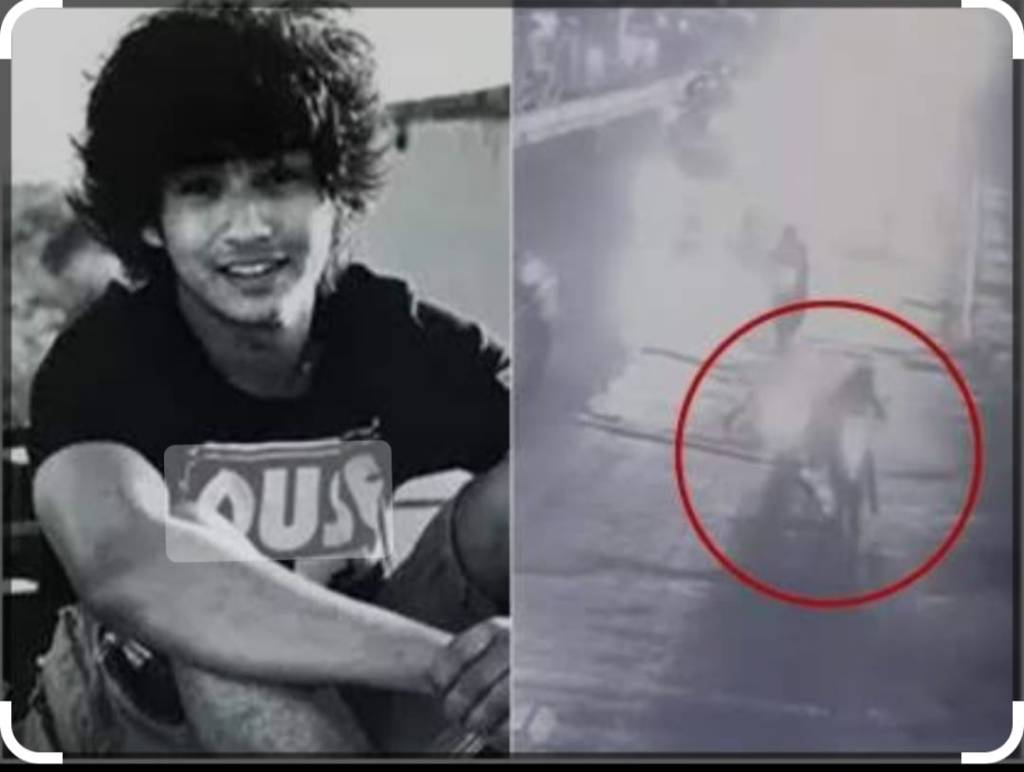
In the bustling heart of South Delhi, amidst the neon lights and honking horns, a heart-wrenching incident unfolded, revealing a stark truth about our society—a truth that shatters the illusion of empathy and humanity. Piyush Pal, a 30-year-old filmmaker with dreams and aspirations, lay bleeding on the cold, unforgiving asphalt for almost 30 minutes on a fateful Saturday night in Panchsheel Park. What makes this tragedy even more disturbing is not just the public apathy but the allegation that someone from the crowd had the audacity to steal his belongings.
Piyush Pal’s life was forever altered that night, as he sustained grave head injuries following a bike collision that led him crashing into a tree. Despite the horrifying extent of his injuries, he didn’t receive the prompt help he so desperately needed. Instead, he was left to endure a horrifying ordeal on the very streets he called home. Pal’s story serves as a chilling reminder of the growing insensitivity and apathy among road users, a reflection of how our society is losing touch with its core values of compassion and humanity.
It was 9.45 pm when the incident unfolded, a fact visible from the chilling CCTV footage that captured this tragedy. The timeline is crucial to understanding the gravity of what transpired that night. Despite the visible nature of the incident, the police claimed to have received a PCR call only at 10.11 pm, nearly half an hour after the accident took place.
Pankaj Mistry, an ordinary passerby, was the first to break the bystander effect, that collective apathy where individuals refrain from helping a victim in a crowd, assuming that someone else will step forward. Mistry, who was on his bike with his brother, couldn’t ignore the massive gathering around the bleeding Piyush Pal. He vividly recalls the shocking sight of a man lying on the road, blood pouring from his head, his bike a few meters away, and no one stepping forward to offer help, call an ambulance, or inform the police.
Mistry’s actions speak volumes about his humanity. Alongside two others, one of them a bike taxi driver, he picked up the injured Pal and hailed an auto. Together, they rushed to the nearest hospital. Yet, the story doesn’t end here; the hospital lacked the necessary medical facilities. Consequently, they had to make the heart-wrenching decision to transfer Pal to another hospital, which consumed valuable time.
By the time the police team reached the scene at 10.30 pm, both victims had been transported to separate hospitals. In a deeply disturbing turn of events, it was discovered that Pal’s mobile phone, wallet, and bag had seemingly been stolen by one of the bystanders. The callous disregard for a fellow human being’s life is profoundly disheartening.
The official investigation into the incident revealed that Pal’s bike had collided with another two-wheeler. The CCTV footage displayed Pal’s bike suddenly taking a left turn without signaling, causing it to crash into another bike. The impact was substantial, leading both vehicles to lose balance, one scraping along the road while the other came to a jarring halt after traveling a short distance.
Based on the statements of Bunty, a 26-year-old resident of Badarpur who worked as a driver in Gurgaon, and the recorded footage, an FIR was registered. This FIR included charges related to rash driving and causing hurt by an act endangering life or personal safety of others.
While the facts of the collision remain central to the investigation, what’s more alarming is the apparent lack of compassion exhibited by the onlookers. Pal’s friend, Swarnendu Bose, who arrived at the scene, found it incredulous that no one had extended a helping hand despite the clear severity of Pal’s injuries. A crucial factor was that Pal wasn’t speeding, and he was wearing a helmet.
Swarnendu Bose fondly remembered Pal as “the careful one” among friends. He always carried an extra bag with a phone, a water bottle, and other essentials. He was a staunch advocate against plastic usage and preferred carrying glass bottles—a testament to his conscientious nature.
Piyush Pal’s friends and family shared stories that painted a picture of a young man full of dreams and creativity. An engineering student turned filmmaker, Pal was known for his passion for documentaries. He pursued his dreams ardently, even dropping out of college to study filmmaking at Manav Rachna University.
In his pursuit of storytelling through the lens, Pal worked on several projects for notable clients like WHO and UNICEF. His films tackled essential subjects, including the pandemic and initiatives like “Saving the Girl Child.” The CCTV footage of the accident, which revealed that Pal was neither speeding nor negligent in protecting himself (given that he wore a helmet), left his friends and loved ones in disbelief.
They struggled to comprehend the public apathy that allowed their friend to suffer for over half an hour without anyone extending a helping hand. Swarnendu Bose succinctly expressed his incredulity at how people could prioritize filming over aiding a fellow human in dire need.
Piyush Pal’s tragic tale encapsulates the growing insensitivity and apathy among road users—a chilling reflection of the broader societal trend that prioritizes the spectacle over extending a helping hand to those in distress. In the ever-connected world of smartphones and social media, the value of real, human connections appears to be diminishing.
The streets, once considered the arteries of society, where kindness and empathy flowed freely, have become harsh and unforgiving. The tragedy of Piyush Pal calls for collective introspection and a pressing need to rekindle the compassion and humanity that lie within us.
As we mourn the loss of a young filmmaker who was robbed of his dreams and aspirations, we must also mourn the loss of our collective empathy. Piyush Pal’s memory will forever remind us that it’s high time we shifted our priorities. The roads we traverse must be avenues for compassion, assistance, and unity, not mere pathways to our destinations.
Piyush Pal’s story is a call for change, a cry for a society that values humanity over apathy, empathy over indifference. His legacy will not be defined solely by his untimely departure but by the awakening it sparks within us to rebuild the bridges of compassion that we seem to have left behind.
The world witnessed Piyush Pal’s suffering that night, and it is our collective responsibility to ensure that such a tragic chapter never repeats itself on the streets we share. It’s time to make our roads not just safer but more humane, where helping a stranger in need takes precedence over recording their suffering.
visit arjasrikanth.in for more insights
 SOCIAL PERSPECTIVES