World Tsunami Awareness Day – Honoring the Past, Preparing for the Future

In the vast expanse of our world’s oceans, where waves serenely lap at the shores, hides a fearsome, unpredictable monster – the tsunami. These monstrous waves have caused havoc, leaving a trail of destruction in their wake, impacting communities and altering lives. Every year, on the 5th of November, we observe World Tsunami Awareness Day, a day of remembrance, reflection, and vigilance. As we look back at the past horrors, we must also realize the continued relevance of this observance in the face of a changing world.
Japan stands at the forefront of World Tsunami Awareness Day, not just because it is a country with a long history of grappling with devastating tsunamis but also because of its commitment to mitigating these destructive natural phenomena. The history of tsunamis in Japan is well-documented, and their experiences have shaped the way the world perceives and prepares for this natural disaster.
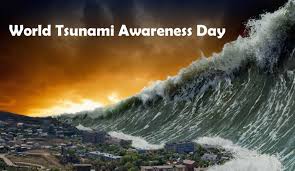
Tsunamis are a force to be reckoned with. They can be one of the deadliest and most devastating hazards that nature throws our way. These monstrous waves can result from earthquakes, volcanic eruptions under the sea, landslides along the coast, and even extra-terrestrial collisions. The first recorded tsunami, dating back to 2000 B.C. off the coast of Syria, marked the beginning of humanity’s encounters with this natural disaster. Yet, it’s in recent history that we’ve seen the most devastating tsunamis.
In the modern era, perhaps the most destructive tsunami in recorded history was the Indian Ocean Tsunami of 2004, also known as the Boxing Day Tsunami. Triggered by a massive 9.1-magnitude earthquake off the coast of Sumatra, Indonesia, this tsunami brought about devastation on an unprecedented scale. With a death toll exceeding 230,000, it affected people across 14 countries, leaving Indonesia, Sri Lanka, India, and Thailand profoundly impacted.
The tsunami of 2004 serves as a stark reminder of the sheer power and destructive potential of these natural disasters. This horrific event, with its enormous loss of life, stands as a symbol of the importance of understanding and preparing for tsunamis.
As we remember these past catastrophes, it’s crucial to acknowledge the continuing relevance of World Tsunami Awareness Day. The theme for WTAD 2023 is “Fighting Inequality for a Resilient Future.” It emphasizes the importance of bridging gaps in preparedness and response to ensure that no community is left vulnerable to the ravages of tsunamis.
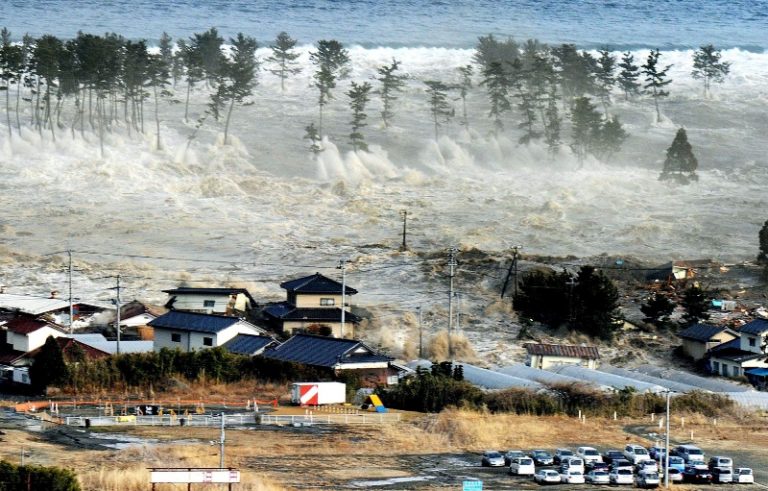
In the face of a changing world, with the frequency and intensity of natural disasters increasing, we must adapt to evolving threats. The impacts of climate change, including rising sea levels and extreme weather events, have the potential to amplify the threat of tsunamis, making early warning systems and preparedness even more critical.
One of the most effective tools for protecting people from tsunamis is early warning and early action. The implementation of advanced early warning systems can provide vital minutes, if not hours, for communities to evacuate to safety. It’s a critical part of disaster preparedness, and World Tsunami Awareness Day serves as a reminder of this necessity.
On this year’s World Tsunami Awareness Day, we celebrate the resilience of Asia’s coastal and island communities that have rebuilt their lives and regional economies in the aftermath of devastating tsunamis. Their stories of recovery are inspiring, but they also highlight the need for ongoing preparedness.
The journey towards a world better prepared to face tsunamis and other natural disasters is an ongoing one. This observance is a call to action, a plea to governments, communities, and individuals to prioritize disaster preparedness, invest in early warning systems, and bridge the gaps that leave vulnerable communities at risk.
Tsunamis are not confined to the shores of a single nation; they are a global concern. The damage caused by tsunamis knows no boundaries, and the need for collective global responsibility is paramount. World Tsunami Awareness Day is a call for nations to unite in preparedness, sharing knowledge, resources, and expertise to ensure that no one is left vulnerable.

As we remember the havoc caused by tsunamis in the past and their continued relevance in a changing world, we must view this observance as more than just a day on the calendar. It’s a collective endeavor to make our world safer, more resilient, and better prepared for the future.
Let us mark World Tsunami Awareness Day not only with reflection but with action. It is a day that reminds us of the power of nature and the strength of human resolve. Let us stand united, striving to protect our communities, safeguard our shores, and create a world where the wrath of tsunamis can be met with resilience and hope.
This is a mission of global importance, and as we look back at the destruction of the past, let us also look ahead to a future where early warning systems, preparedness, and global cooperation ensure that tsunamis will never again claim such a devastating toll on our world.
visit arjasrikanth.in for more insights
 SOCIAL PERSPECTIVES
One response to ““Remembering the Wrath of Tsunamis: Relevance in a Changing World””
Oops sorry 😢 spoke to soon let’s be aware because they are gonna happen
LikeLike